English
 中文简体
中文简体Content
What Are Nonwoven Cleaning Wipes
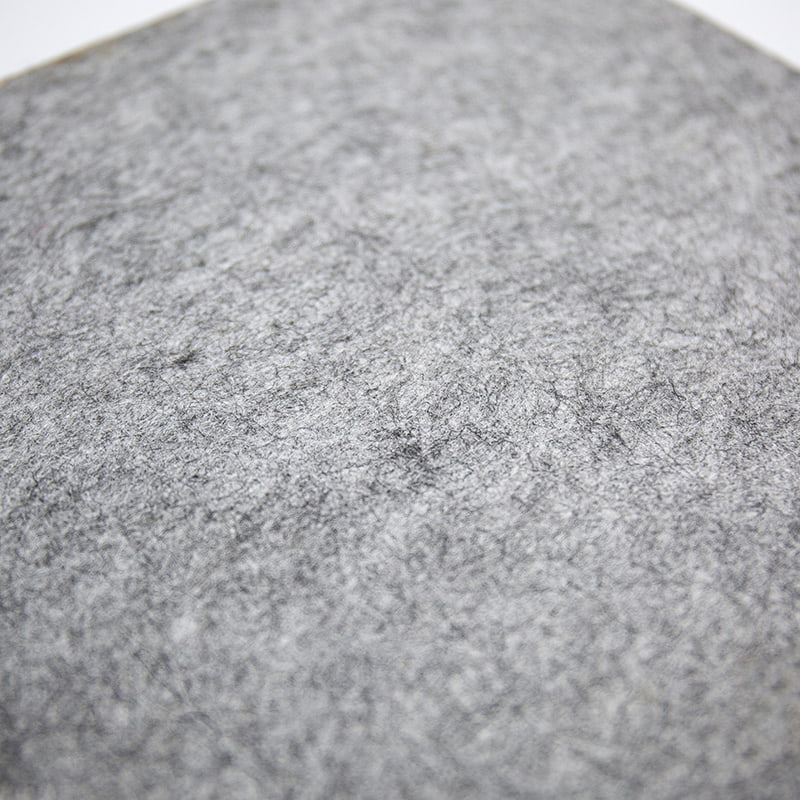
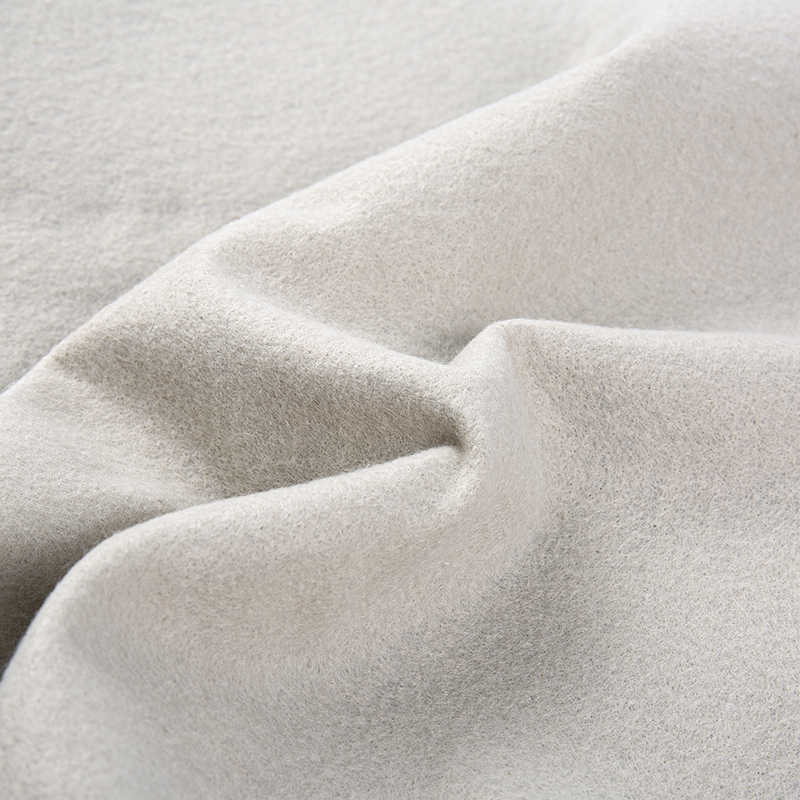
Nonwoven cleaning wipes are fabric-based cleaning tools manufactured by bonding fibers together through mechanical, thermal, or chemical processes rather than weaving or knitting them. This construction method creates a fabric with excellent absorbency, tear resistance, and consistent texture, making it ideal for wiping surfaces, absorbing liquids, and trapping dust and debris without leaving lint or fibers behind.
Common materials used in nonwoven wipes include polyester, polypropylene, viscose, and cellulose blends, each offering different levels of durability, absorbency, and softness. These wipes are used extensively across households, healthcare facilities, food service establishments, and industrial settings due to their versatility and cost-effectiveness compared to traditional woven cloth alternatives.
Manufacturing Process and Fiber Bonding Methods
Understanding how nonwoven wipes are produced helps explain their unique performance characteristics compared to woven textiles. Manufacturers typically use one of several bonding techniques to create the final fabric structure.
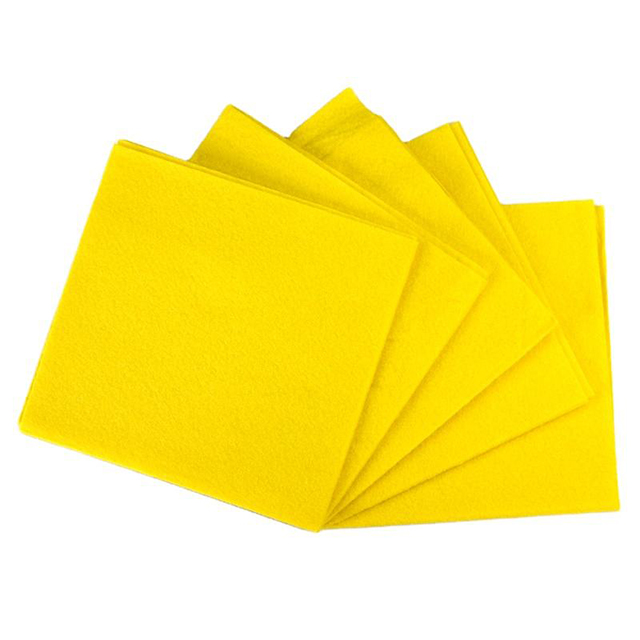
Spunlace Technology
Spunlace wipes are created by using high-pressure water jets to entangle fibers together, resulting in a soft, strong, and highly absorbent fabric. This method is commonly used for wipes requiring both durability and gentleness, such as those used in personal care or medical settings.
Thermal Bonding
Thermal bonding involves applying heat to fuse synthetic fibers together, producing a stiffer and more tear-resistant material suited for heavy-duty industrial or automotive cleaning applications where the wipe must withstand friction and rough surfaces.
Key Advantages Over Traditional Cleaning Cloths
Nonwoven cleaning wipes offer several practical benefits that make them a preferred choice in many professional and household cleaning scenarios. The comparison below highlights how they differ from conventional woven cloths.
| Feature | Nonwoven Wipes | Woven Cloths |
| Lint Shedding | Minimal to none | Common over time |
| Absorbency | High, consistent | Variable by weave |
| Cost per Use | Lower, disposable | Higher, reusable |
| Hygiene Control | Single-use reduces cross-contamination | Requires washing between uses |
This makes nonwoven wipes particularly valuable in settings where hygiene control is critical, such as hospitals, food processing plants, and childcare facilities, since disposal after each use eliminates the risk of spreading contaminants between surfaces.
Common Applications Across Industries
Nonwoven cleaning wipes serve a broad range of purposes depending on their fiber composition, thickness, and any added treatments such as antibacterial coatings or solvent resistance.
- Household surface cleaning and kitchen countertop maintenance
- Medical and laboratory disinfection procedures
- Automotive detailing and industrial machinery wipe-downs
- Food service equipment and surface sanitation
- Electronics manufacturing for lint-free component cleaning
How to Choose the Right Nonwoven Wipe
Selecting the appropriate nonwoven wipe depends on the specific cleaning task, the surface being cleaned, and any chemical compatibility requirements for disinfectants or solvents being used alongside the wipe.
Fiber Composition Considerations
Polypropylene wipes offer strong chemical resistance, making them suitable for industrial degreasing tasks, while viscose and cellulose blends provide superior absorbency ideal for spill cleanup and liquid-heavy applications.
Weight and Thickness
Heavier basis weight wipes, typically measured in grams per square meter, provide greater durability for scrubbing tough stains, whereas lighter wipes are better suited for delicate surfaces like electronics or glass.
- Check chemical compatibility if using with alcohol or bleach-based disinfectants
- Choose antibacterial-treated wipes for high-touch surfaces in shared spaces
- Select lower lint options for sensitive equipment or optical surfaces
Proper Storage and Disposal Practices
Storing nonwoven wipes correctly preserves their moisture content and effectiveness, particularly for pre-moistened or chemically treated variants that can dry out if left exposed to air for extended periods.
Resealable packaging should always be closed tightly after each use, and containers should be kept away from direct sunlight or high heat to prevent premature degradation of any antibacterial or solvent treatments. For disposal, most nonwoven wipes made from synthetic fibers are not biodegradable and should be discarded in general waste rather than flushed, since they can cause plumbing blockages and environmental harm if disposed of improperly.
 Tel: +86 15700112297
  WhatApp: +86 15700112297
  E-mail:
  Yinziqiao Village, Shicong Town, Nanxun District, Huzhou City, Zhejiang Province, China