English
 中文简体
中文简体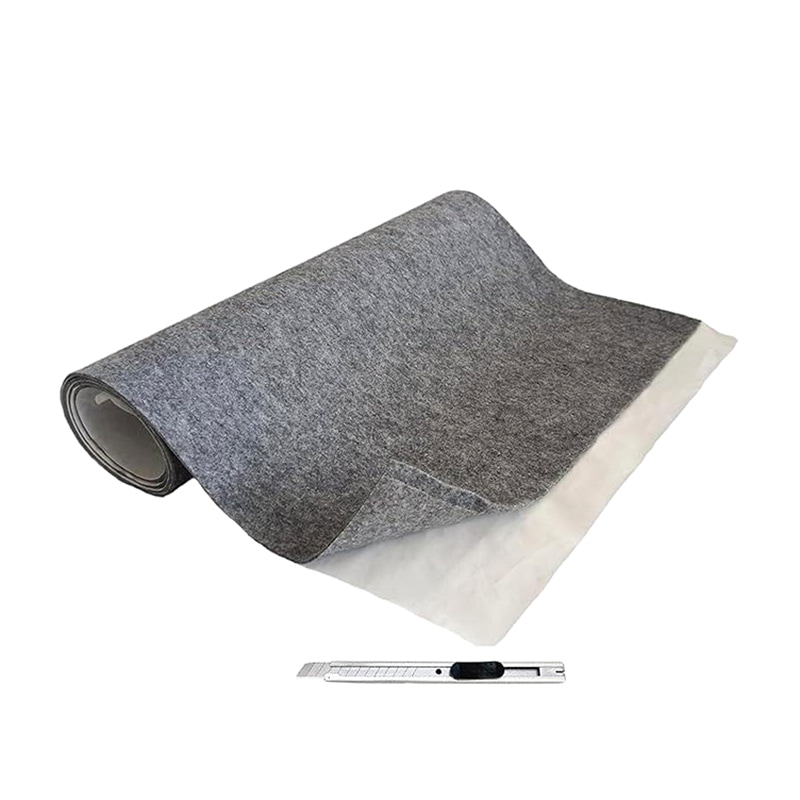
Industry Knowledge
Adhesive Chemistry and Substrate Interaction in Self-Adhesive Needle Punched Non-Woven Fabric
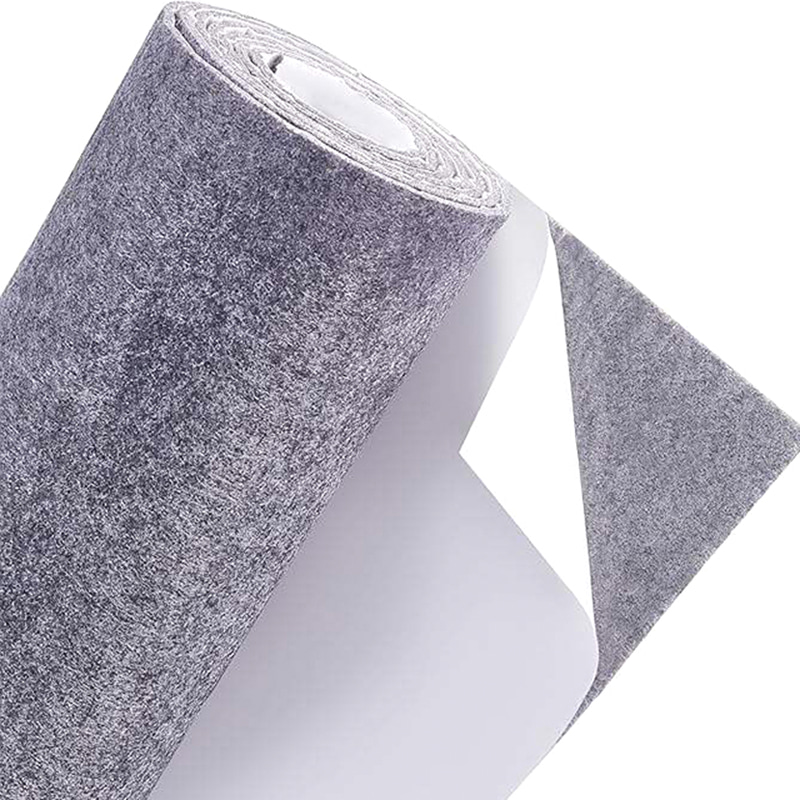
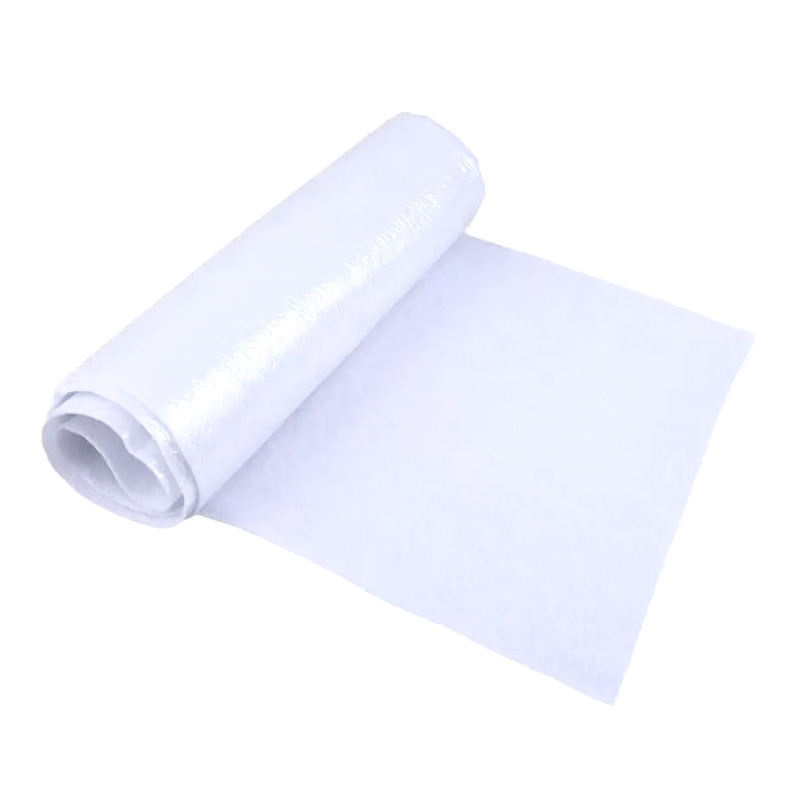
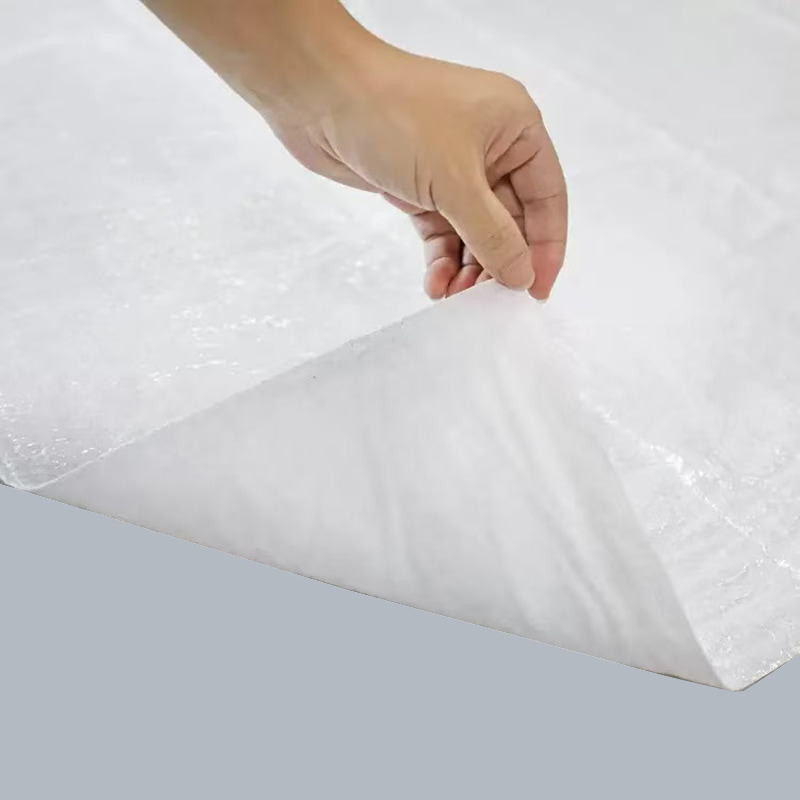
The engineering of Self-Adhesive Needle Punched Non-Woven Fabric relies heavily on the precise formulation of the pressure-sensitive adhesive (PSA) layer and its interaction with the fibrous substrate. Because needle-punched materials are inherently porous, a major technical challenge is preventing adhesive strike-through, which can compromise the fabric's breathability and aesthetic finish. Advanced manufacturing techniques utilize specialized hot-melt or acrylic-based adhesive coatings applied via precision gravure or slot-die coating methods. This ensures a uniform micro-layer that provides high initial tack and ultimate peel strength without penetrating the full depth of the nonwoven matrix. For demanding applications like automotive interior trims or acoustic paneling, the adhesive must also maintain its bonding integrity under extreme thermal cycling and high humidity, requiring rigorous cross-linking treatments during the curing process.
Practical Surface Preparation and Application Protocols for Self-Adhesive Needle Punched Non-Wovens
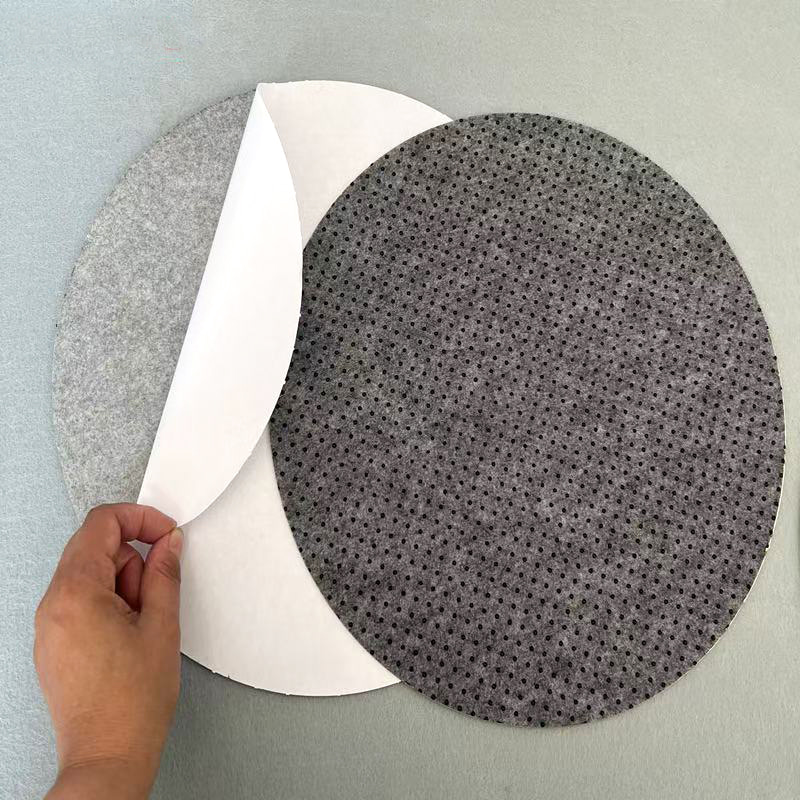
Achieving a permanent, bubble-free bond with Self-Adhesive Needle Punched Non-Wovens requires strict adherence to surface preparation and application protocols. The surface energy of the target substrate must be thoroughly evaluated; low-energy surfaces like polypropylene or untreated metals often require a plasma treatment or a specialized primer to ensure the adhesive can wet the surface effectively. During installation, ambient temperature plays a critical role, as most pressure-sensitive adhesives require a minimum application temperature (typically above 10°C) to achieve optimal flow and tack. Furthermore, applying consistent mechanical pressure using a weighted roller immediately after placement is essential to maximize the contact area between the adhesive micro-domains and the substrate, thereby activating the full bonding potential of the material.
Evaluating Long-Term Durability and Environmental Resistance
When specifying these materials for exterior or high-stress environments, engineers must look beyond initial peel adhesion and evaluate long-term shear strength and environmental resistance. The adhesive layer must be formulated to resist plasticizer migration, which is a common failure point when bonding to flexible substrates like vinyl or certain rubbers. Additionally, UV stabilizers must be integrated into either the adhesive or the backing fabric to prevent the polymer chains from degrading and losing their cohesive strength over time, ensuring the structural integrity of the installation lasts for the intended lifecycle.
Commitment to Quality and Sustainable Manufacturing Excellence
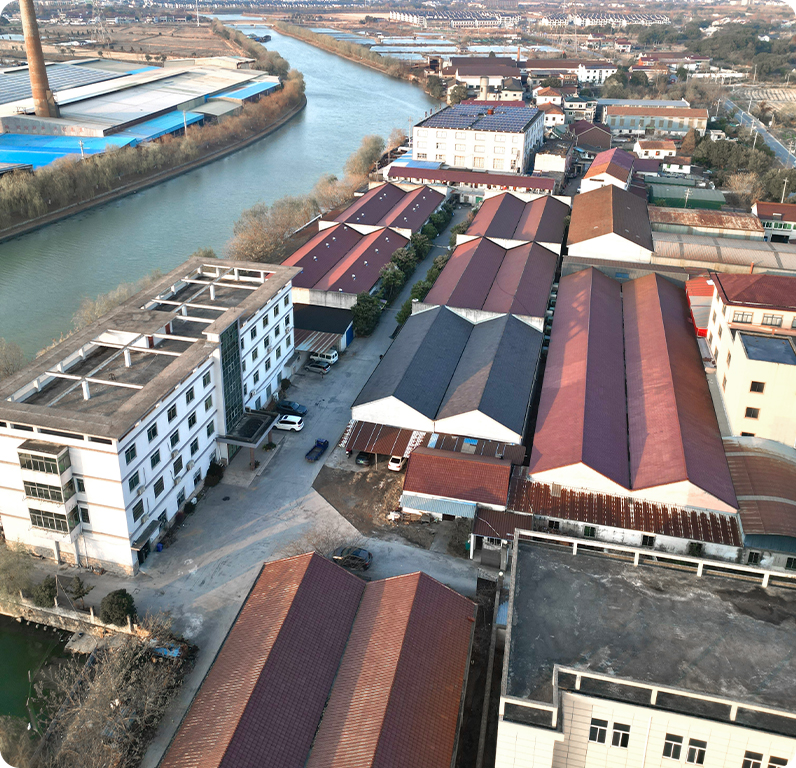
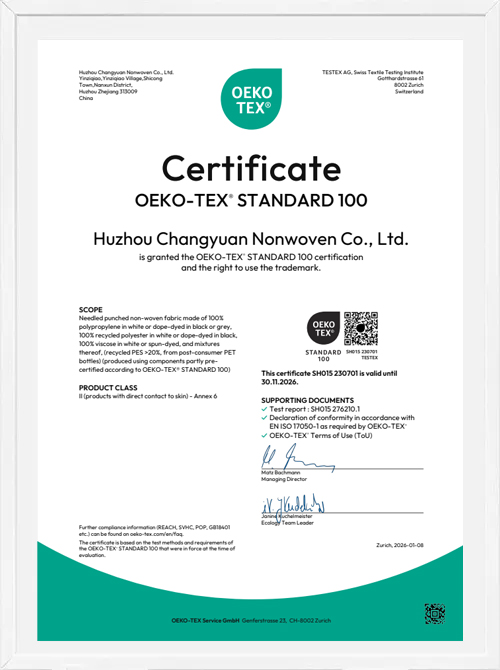
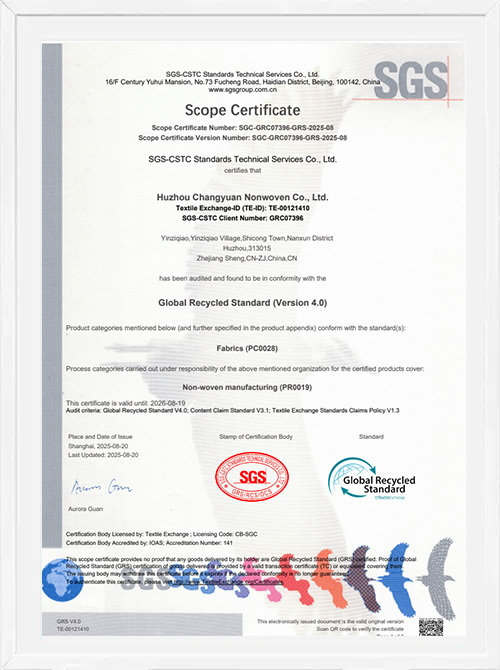
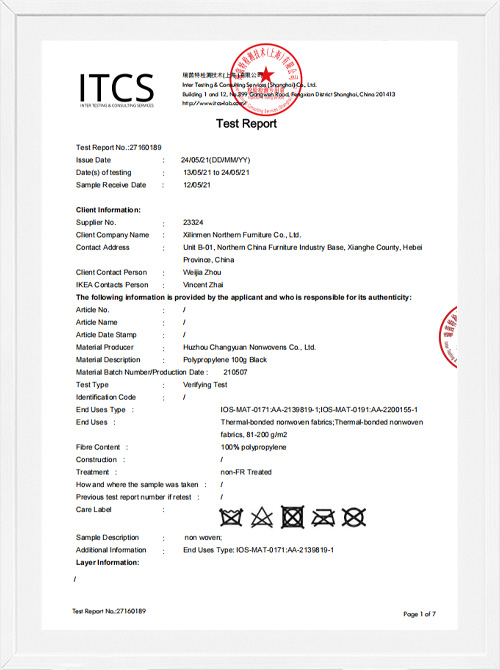
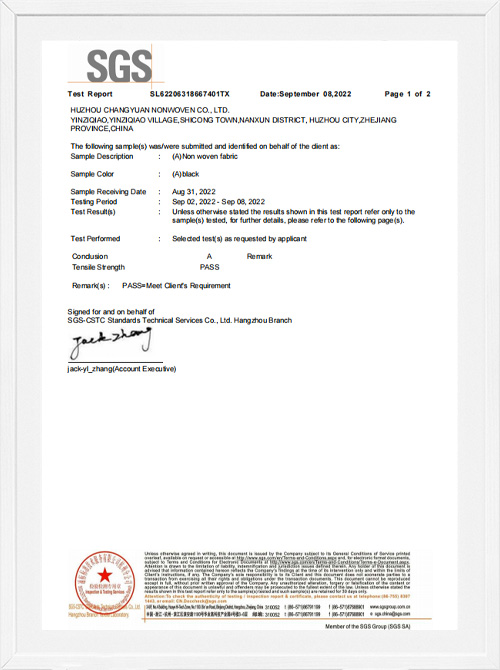
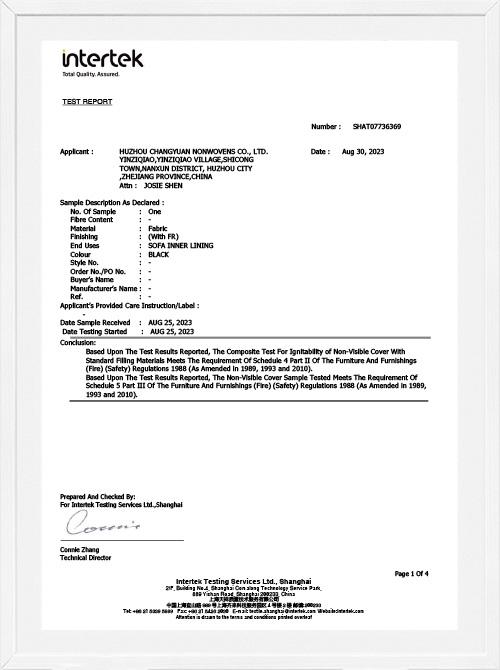
Huzhou Changyuan Nonwoven Co., Ltd. is situated in Zhejiang Province, with close proximity to Shanghai Port—an advantage that ensures efficient cargo delivery. We specialize in the research, development, production and marketing of high-quality needle-punched nonwovens. Our products boast a broad application scope, covering sofa/mattress linings, carpets, automotive interior fabrics, geotextiles, and cleaning products. They also include medical-grade nonwovens, and are further suitable for filtration, agricultural uses, and beyond. Our materials have earned GRS(Global Recycled Standard) and OEKO-TEX® certifications, upholding quality and sustainability. We warmly welcome domestic and foreign partners for win-win collaboration.
Key Technical Parameters for Quality Control
- Initial Tack (Loop Tack): Measures the immediate stickiness of the adhesive upon brief contact, crucial for holding the fabric in place during the positioning phase before full pressure is applied.
- 180° Peel Adhesion: Evaluates the force required to remove the fabric from a standard steel panel, indicating the overall bond strength and flexibility of the adhesive joint.
- Static Shear Holding Power: Assesses the adhesive's internal cohesive strength and resistance to creeping under a constant load over an extended period, vital for vertical installations.
- Thermal Stability Range: Defines the temperature limits within which the adhesive maintains its performance without melting, oozing, or becoming brittle and losing tack.
| Application Sector | Primary Functional Requirement | Recommended Adhesive Type |
| Automotive Interiors | High thermal resistance and low VOC emissions | Cross-linked acrylic or specialized hot melt |
| Acoustic Paneling | Permanent bond without compromising sound absorption | Low strike-through water-based acrylic |
| Protective Packaging | High initial tack for rapid automated assembly lines | Rubber-based or synthetic hot melt |
 Tel: +86 15700112297
  WhatApp: +86 15700112297
  E-mail:
  Yinziqiao Village, Shicong Town, Nanxun District, Huzhou City, Zhejiang Province, China