English
 中文简体
中文简体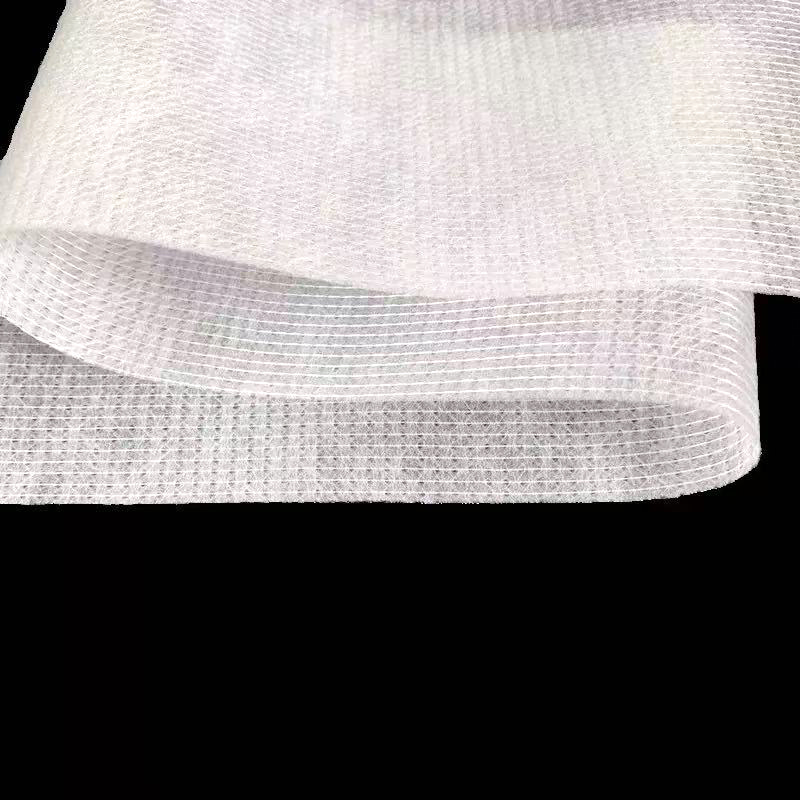
Industry Knowledge
Structural Mechanics and Delamination Resistance in Quilted Needle Punched Non-Woven Fabric
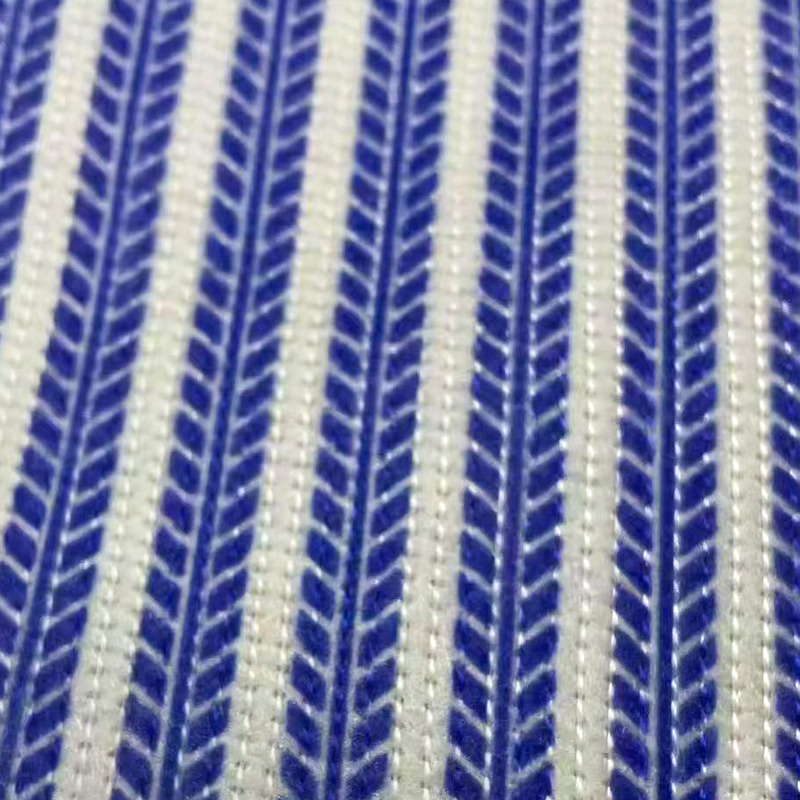
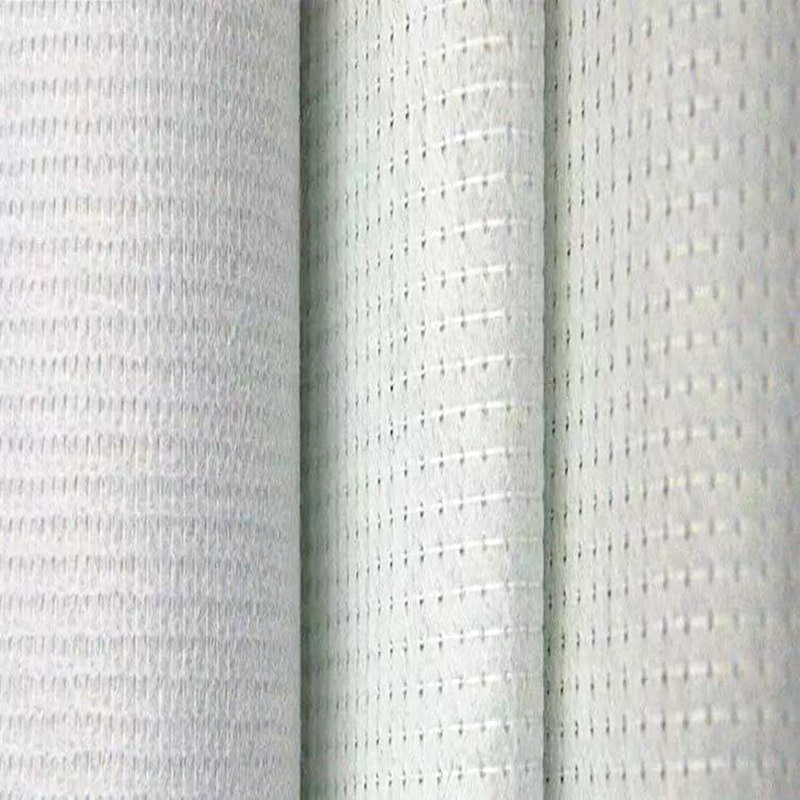
The integration of a quilting process into standard needle-punching fundamentally alters the structural mechanics of the material. While traditional needle-punching relies on barbed needles to mechanically interlock fibers, Quilted Needle Punched Non-Woven Fabric introduces a secondary layer of security through strategic stitching. This dual-bonding mechanism is particularly critical in high-loft applications where the thickness of the web makes it susceptible to layer separation, or delamination, under shear stress. By anchoring the fibrous batt to a primary or secondary scrim at regular intervals, the quilting process significantly enhances the material's dimensional stability, ensuring it maintains its structural integrity during rigorous end-use applications such as heavy-duty mattress liners or automotive trunk organizers.
Thermal and Acoustic Optimization in Quilted Needle Punched Nonwovens
Beyond structural reinforcement, the quilting pattern plays a pivotal role in optimizing the functional performance of Quilted Needle Punched Nonwovens in insulation applications. The stitching creates distinct, contained pockets within the fibrous matrix that effectively trap dead air, thereby increasing the material's overall thermal resistance (R-value) without adding significant weight. In acoustic engineering, these quilted pockets act as micro-resonators that disrupt and dissipate sound wave propagation. For optimal acoustic dampening in automotive interior fabrics or architectural soundproofing panels, engineers must carefully calculate the stitch density and pattern geometry to balance the material's flexibility with its sound absorption coefficients.
Critical Manufacturing Parameters for Stitch Pattern Selection
- Stitch Density (SPI): Stitches per inch directly correlate to the fabric's tensile strength and resistance to fiber migration; higher SPI increases stability but may reduce drape flexibility.
- Thread Tension Control: Precise calibration is required to prevent puckering or excessive compression of the nonwoven web, which can create localized weak points and compromise thermal loft.
- Pattern Geometry: Diamond and square patterns offer uniform structural support, while wave or custom patterns are utilized to enhance aesthetic appeal and directional flexibility in decorative applications.
Commitment to Quality and Sustainable Manufacturing Excellence
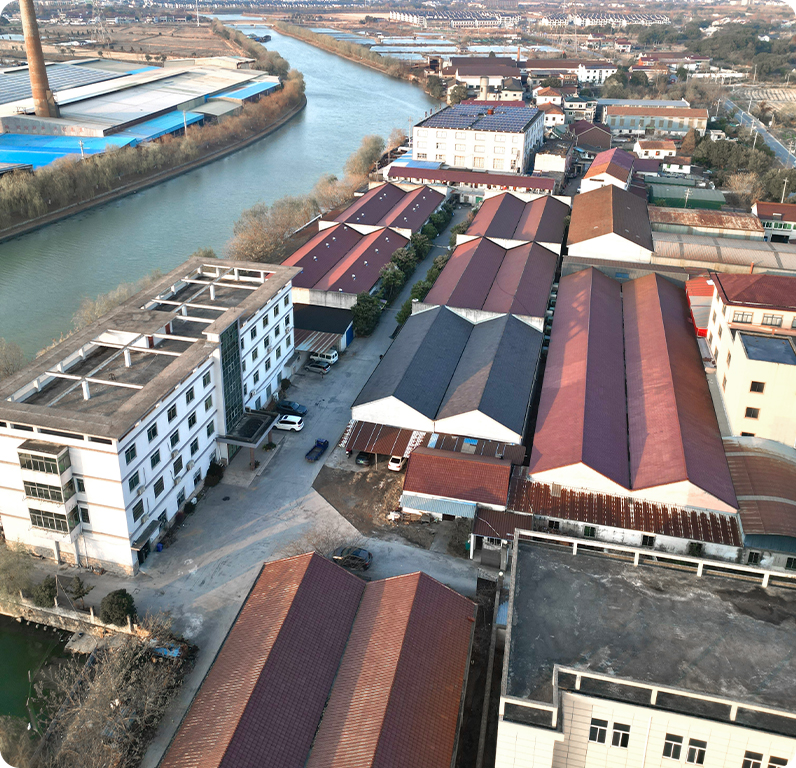
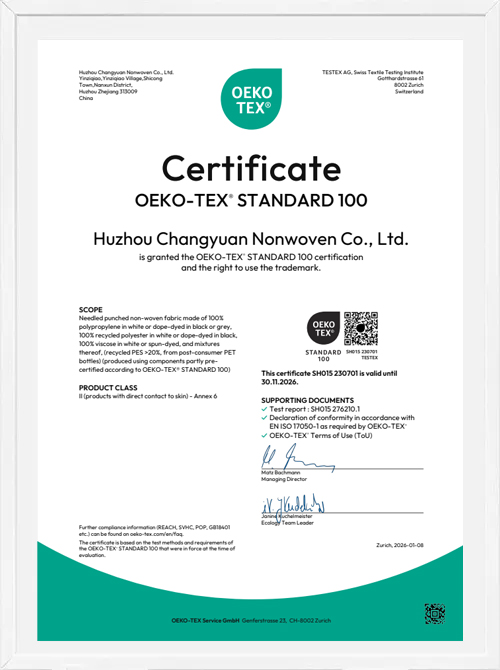
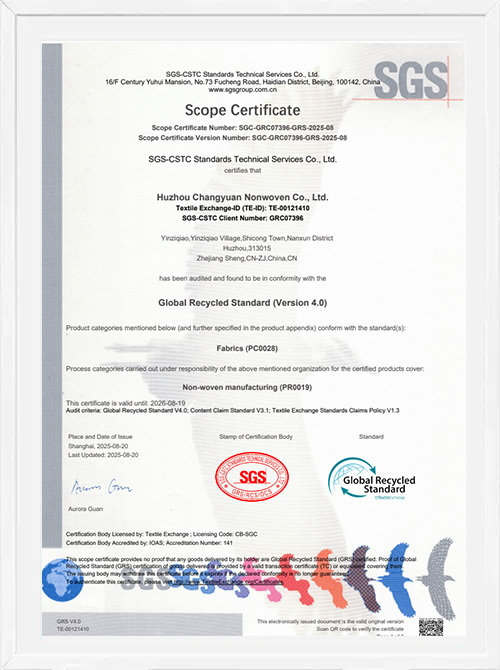
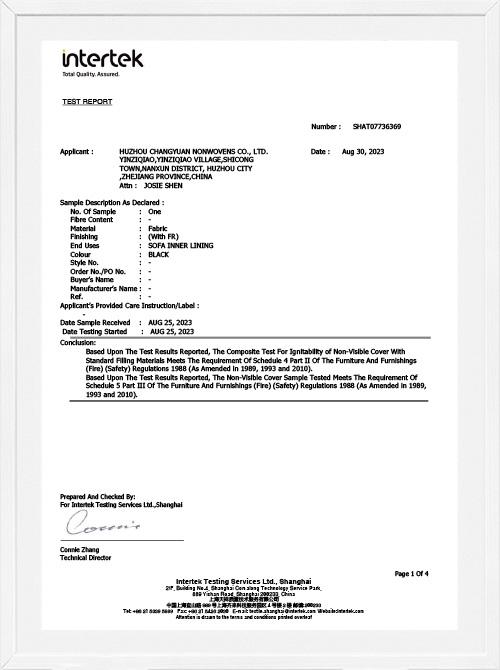
Huzhou Changyuan Nonwoven Co., Ltd. is situated in Zhejiang Province, with close proximity to Shanghai Port—an advantage that ensures efficient cargo delivery. We specialize in the research, development, production and marketing of high-quality needle-punched nonwovens. Our products boast a broad application scope, covering sofa/mattress linings, carpets, automotive interior fabrics, geotextiles, and cleaning products. They also include medical-grade nonwovens, and are further suitable for filtration, agricultural uses, and beyond. Our materials have earned GRS(Global Recycled Standard) and OEKO-TEX® certifications, upholding quality and sustainability. We warmly welcome domestic and foreign partners for win-win collaboration.
| Application Sector | Primary Functional Requirement | Optimal Quilting Strategy |
| Mattress & Bedding | Loft retention and fiber migration prevention | High-density diamond pattern with fine thread |
| Automotive Interiors | Acoustic dampening and thermal insulation | Low-density wave pattern to maximize air pockets |
| Protective Packaging | Cushioning and shock absorption | Square grid pattern for uniform load distribution |
 Tel: +86 15700112297
  WhatApp: +86 15700112297
  E-mail:
  Yinziqiao Village, Shicong Town, Nanxun District, Huzhou City, Zhejiang Province, China