English
 中文简体
中文简体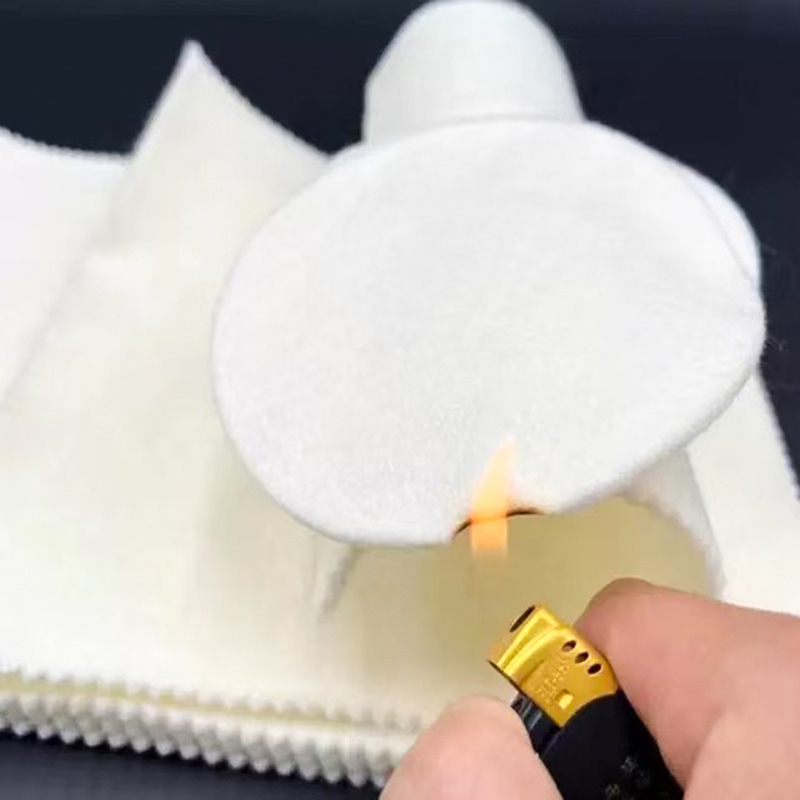
Industry Knowledge
Intrinsic Modification vs. Topical Treatment in Flame-Retardant Needle Punched Fabric
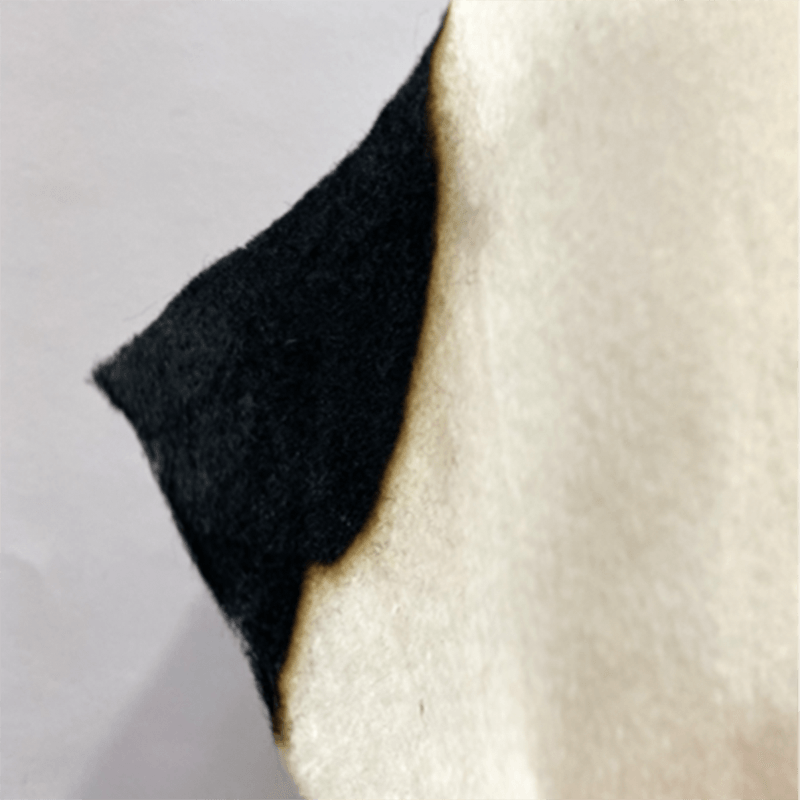
The engineering of Flame-Retardant Needle Punched Fabric involves a critical decision between intrinsic fiber modification and topical chemical treatments. Intrinsic modification, which incorporates inherently fire-resistant fibers such as aramid, modacrylic, or FR-viscose directly into the fiber blend before the needle-punching process, offers permanent flame resistance that cannot be washed out or degraded by standard environmental exposure. Conversely, topical treatments involve applying a chemical coating to the finished web. While cost-effective for short-lifecycle products, topical finishes can compromise the fabric's breathability and hand feel, and may degrade under high humidity or mechanical abrasion. For demanding applications like automotive interior fabrics or public transit seating, intrinsic modification is the superior practical choice, ensuring the material maintains its protective properties and structural integrity throughout its entire service life.
Navigating Fire Safety Testing Protocols for Flame-Retardant Needle-Punched Non-Woven Fabric
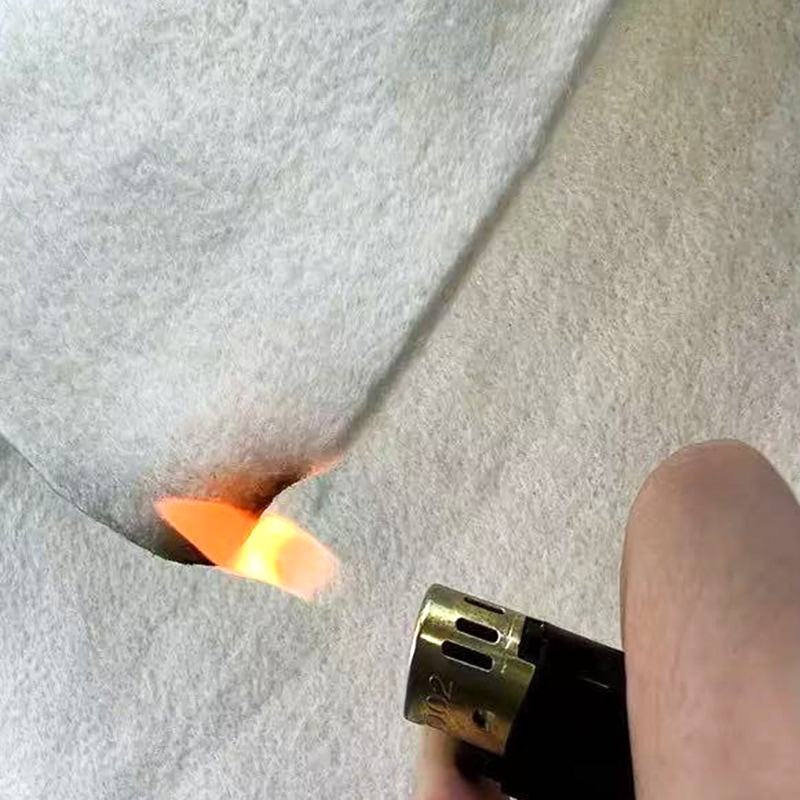
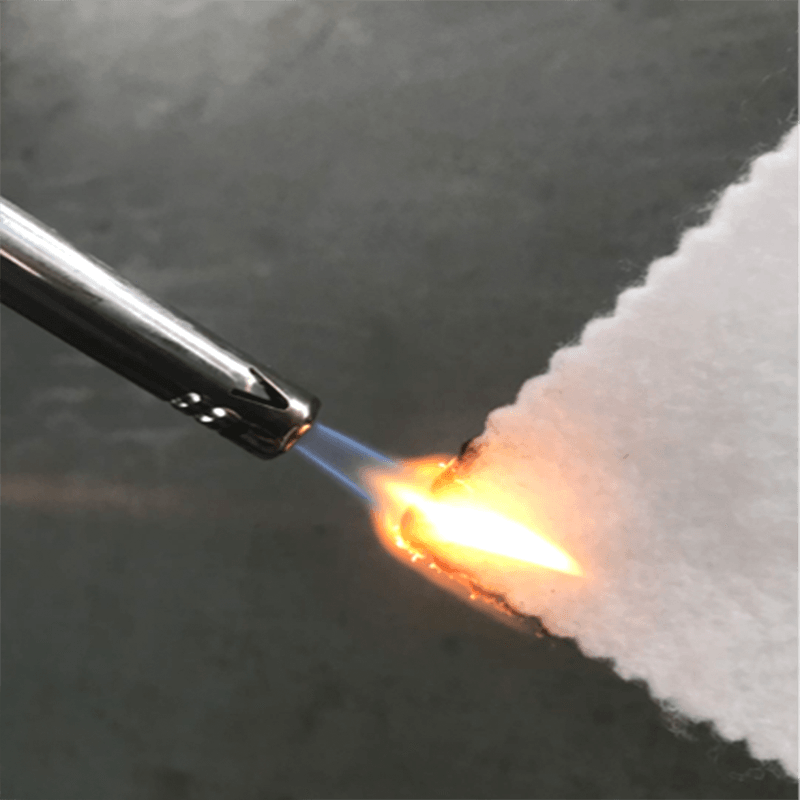
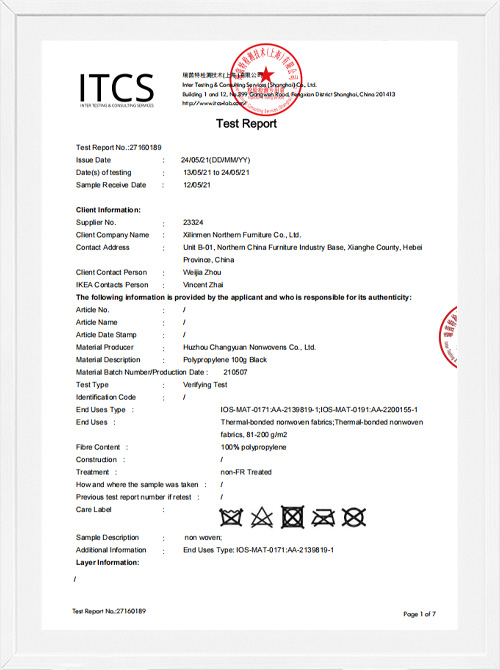
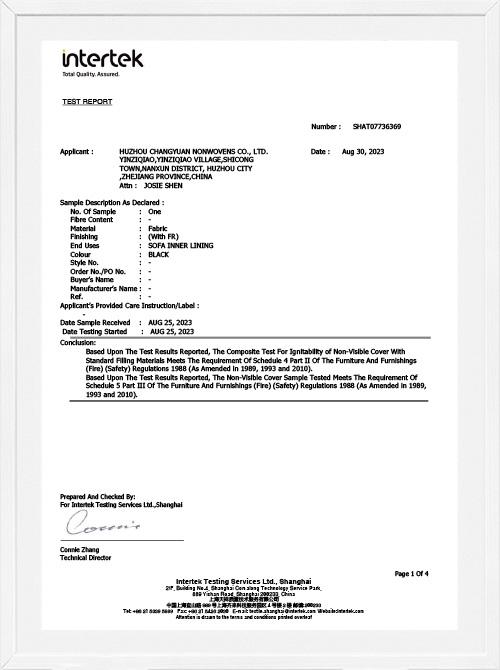
When specifying Flame-Retardant Needle-Punched Non-Woven Fabric for regulated industries, understanding the nuances of fire safety testing protocols is essential for compliance and performance validation. The Limiting Oxygen Index (LOI) test is a fundamental metric that measures the minimum concentration of oxygen, expressed as a percentage, required to support combustion. A higher LOI value indicates greater flame resistance; for instance, standard polyester has an LOI of around 20-21%, whereas high-performance FR nonwovens can achieve an LOI above 28%. Additionally, horizontal burn rate tests, such as FMVSS 302 for automotive applications, measure the speed at which a flame propagates across the material's surface. Engineers must align the specific testing standards with the end-use environment, as a material that passes stringent vertical burn tests for aerospace may be over-engineered and cost-prohibitive for general residential geotextiles.
Managing Smoke Density and Toxicity During Combustion
Beyond simply halting flame propagation, advanced material science focuses heavily on managing smoke density and toxic gas emissions when Flame-Retardant Needle Punched Fabric is exposed to extreme heat. In enclosed environments like aircraft cabins or underground transit systems, the inhalation of toxic smoke is often more dangerous than the fire itself. Modern manufacturing prioritizes halogen-free flame retardant mechanisms, such as phosphorus-based or mineral-based additives (like aluminum trihydrate), which promote char formation rather than releasing corrosive and toxic halogen gases. This char layer acts as a physical barrier that insulates the underlying substrate and significantly reduces the peak heat release rate, ensuring safer evacuation conditions and compliance with stringent smoke toxicity regulations like the NBS (Nicolet Beam Smoke) chamber standards.
Commitment to Quality and Sustainable Manufacturing Excellence
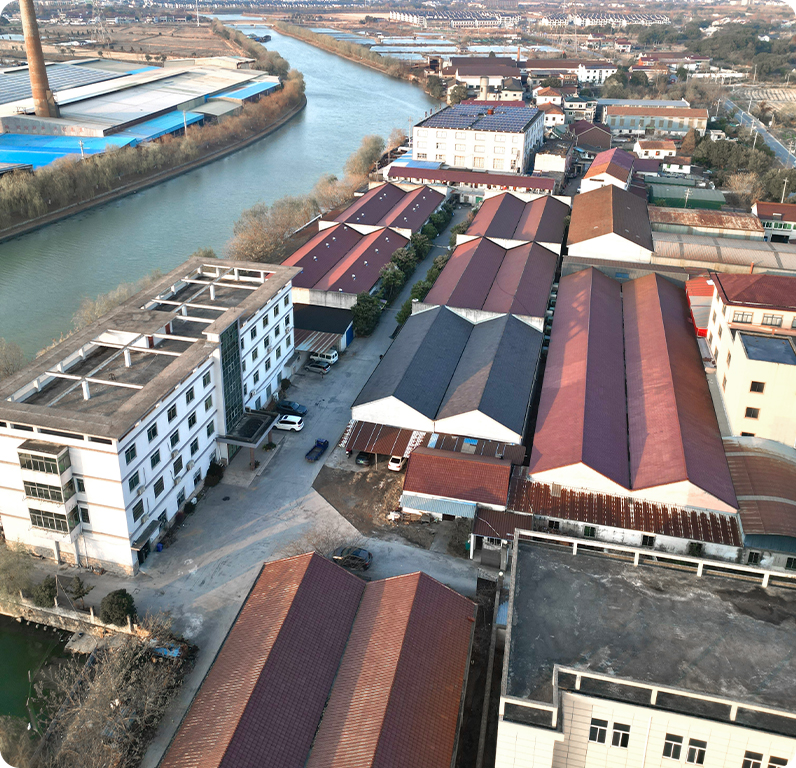
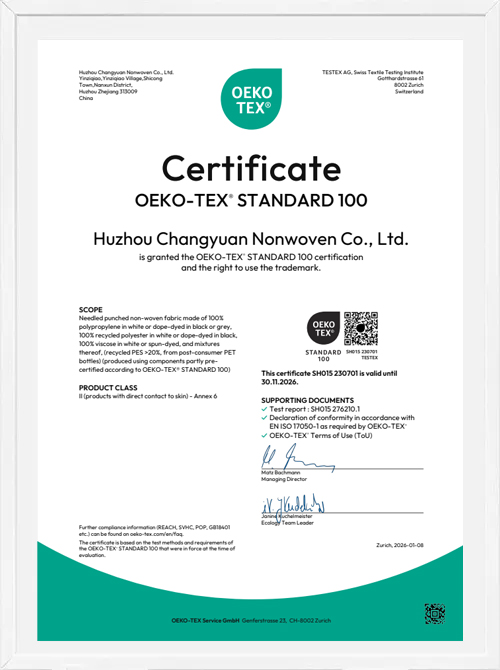
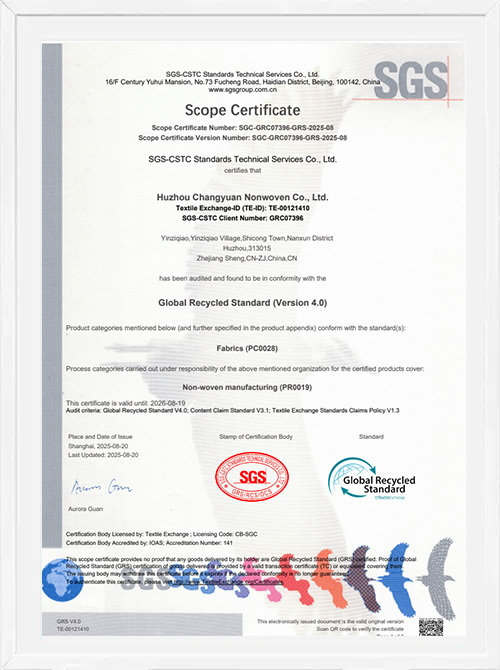
Huzhou Changyuan Nonwoven Co., Ltd. is situated in Zhejiang Province, with close proximity to Shanghai Port—an advantage that ensures efficient cargo delivery. We specialize in the research, development, production and marketing of high-quality needle-punched nonwovens. Our products boast a broad application scope, covering sofa/mattress linings, carpets, automotive interior fabrics, geotextiles, and cleaning products. They also include medical-grade nonwovens, and are further suitable for filtration, agricultural uses, and beyond. Our materials have earned GRS(Global Recycled Standard) and OEKO-TEX® certifications, upholding quality and sustainability. We warmly welcome domestic and foreign partners for win-win collaboration.
Critical Evaluation Criteria for Material Selection
- Char Formation Capability: Evaluates the material's ability to form a cohesive, intumescent carbon layer that shields the underlying substrate from thermal degradation and prevents flame spread.
- Afterflame and Afterglow Times: Measures the duration the material continues to burn or glow after the ignition source is removed, with zero seconds being the target for high-risk environments.
- Thermal Shrinkage Resistance: Assesses the dimensional stability of the nonwoven web under high heat, preventing the fabric from shrinking away from critical structural components and exposing them to direct flame.
- Hand Feel and Drape: Ensures that the integration of flame-retardant chemicals or fibers does not excessively stiffen the fabric, maintaining the necessary flexibility for upholstery and apparel applications.
| FR Mechanism Type | Chemical Action Principle | Optimal Application Environment |
| Inherent Fiber Modification | Polymer chain structure inherently resists thermal breakdown | Permanent protective gear, aerospace, and high-end automotive |
| Intumescent Coating | Swells to form a thick, insulating carbon char layer when heated | Architectural insulation, industrial wrapping, and construction |
| Endothermic Fillers | Releases water vapor or non-combustible gases to cool the substrate | Public transit seating, temporary event structures, and carpets |
 Tel: +86 15700112297
  WhatApp: +86 15700112297
  E-mail:
  Yinziqiao Village, Shicong Town, Nanxun District, Huzhou City, Zhejiang Province, China