Industry Knowledge
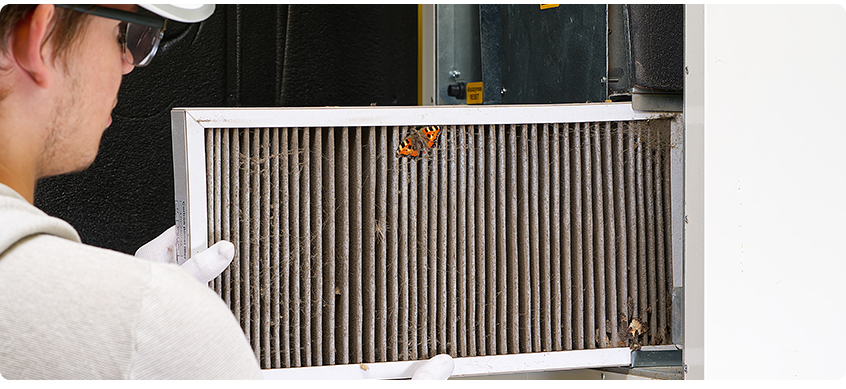
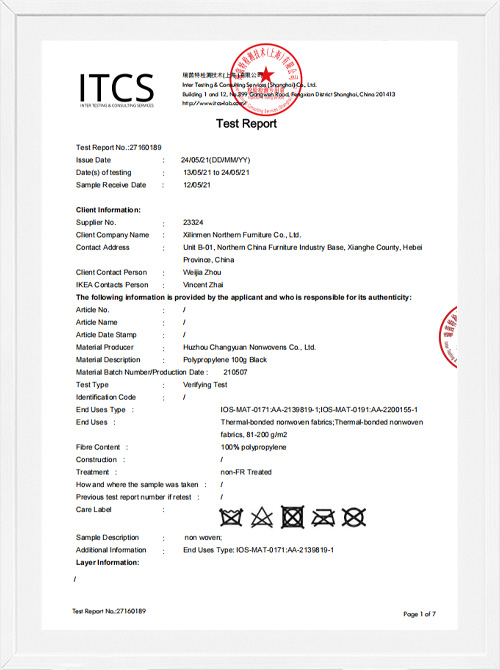
The filtration efficiency and durability of Needle Punch Filter Fabric depend heavily on fiber selection and blending ratios. Polyester fibers are widely used for their chemical stability and cost efficiency, while polypropylene fibers offer excellent moisture resistance. In high-temperature environments, aramid fibers or other heat-resistant materials are incorporated to improve thermal stability. By optimizing fiber combinations, manufacturers can achieve different levels of dust retention, air permeability, and mechanical strength for industrial filtration applications.
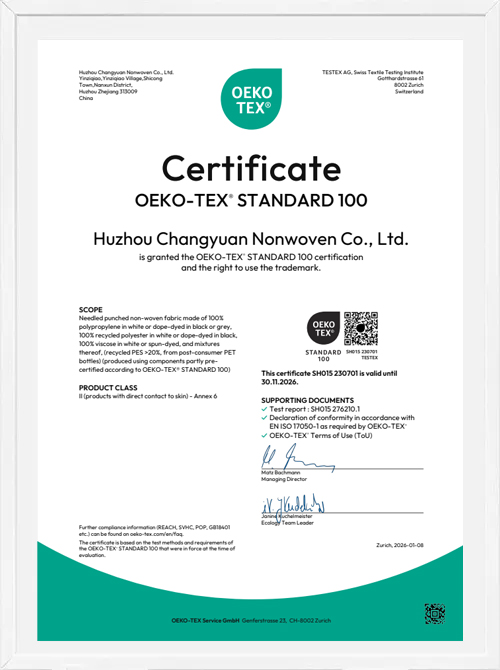
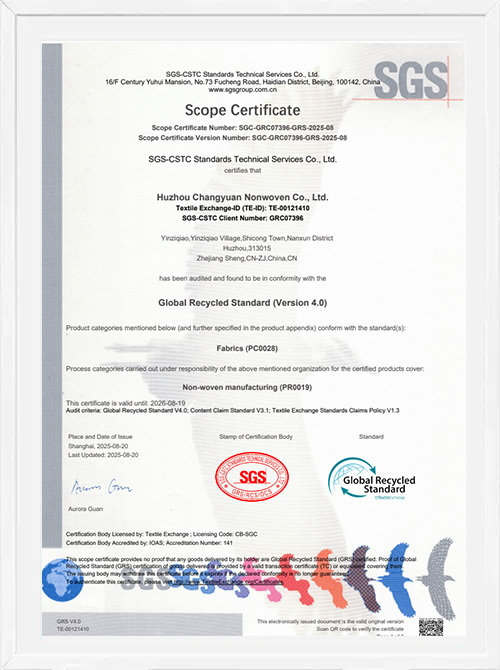
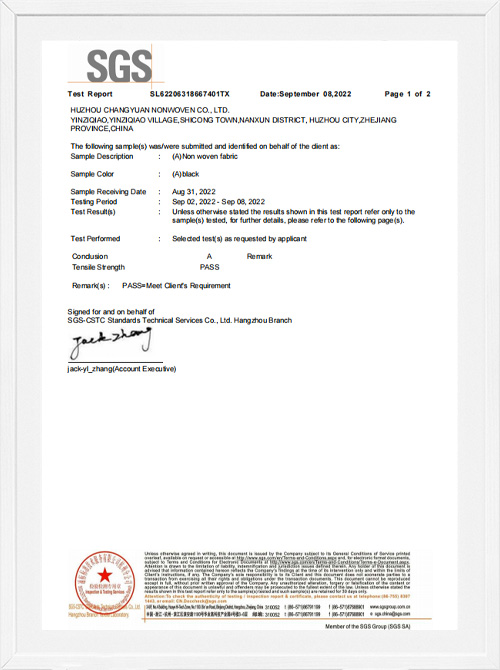
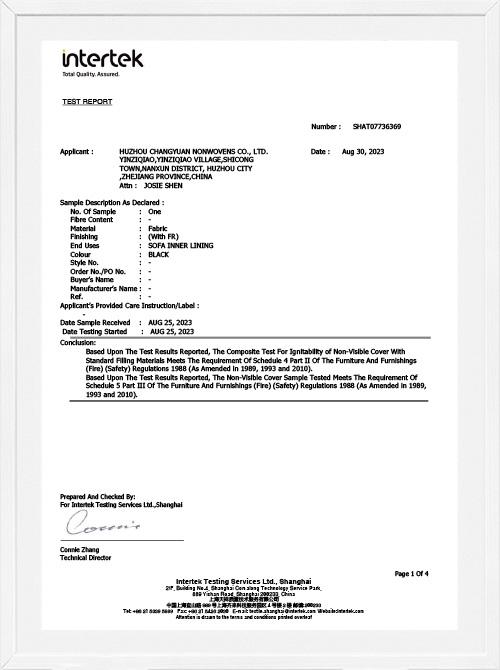
Huzhou Changyuan Nonwoven Co., Ltd., located in Zhejiang Province near Shanghai Port, focuses on the research, development, production, and marketing of advanced needle-punched materials. Its experience in producing certified materials under GRS and OEKO-TEX® standards enables the company to develop products suitable for filtration, automotive interiors, geotextiles, medical applications, and agricultural sectors.
Practical Considerations for Selecting Non-Woven Filter Fabric in Industrial Systems
When selecting Non-Woven Filter Fabric, operating conditions are more important than simply focusing on thickness or weight. Parameters such as working temperature, dust concentration, humidity, pressure drop, and chemical exposure directly affect service life and filtration performance. A fabric with excellent filtration efficiency but insufficient chemical resistance may experience premature degradation, resulting in increased maintenance costs.
- Temperature resistance should match the continuous operating environment.
- Air permeability influences energy consumption and pressure loss.
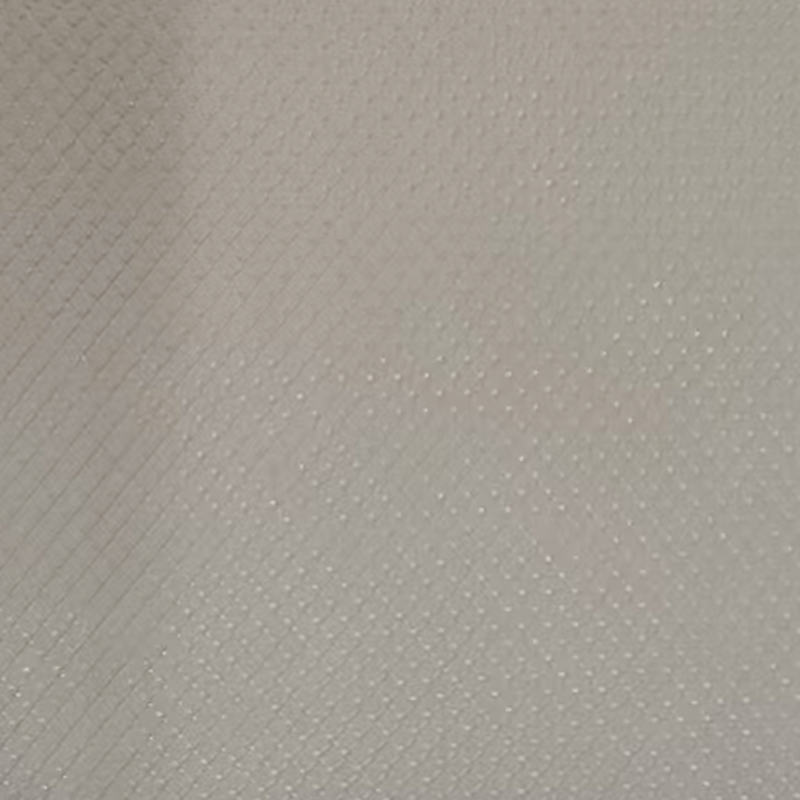
- Surface treatments such as singeing or calendering can improve dust release properties.
- Chemical compatibility is essential when filtering acidic or alkaline gases.
Various finishing technologies are employed to enhance the functionality of Needle Punch Non-Woven Filter Fabric. Heat setting stabilizes dimensions and reduces shrinkage, while singeing removes protruding fibers from the surface to minimize dust accumulation. Membrane lamination using PTFE films further improves filtration efficiency by capturing fine particles and maintaining stable airflow characteristics.
| Treatment Method |
Primary Function |
Typical Benefit |
| Heat Setting |
Dimensional stabilization |
Reduced shrinkage |
| Singeing |
Surface smoothing |
Improved dust release |
| Calendering |
Density adjustment |
Enhanced filtration consistency |
| PTFE Membrane Coating |
Fine particle capture |
Higher efficiency and lower emissions |
Why Fabric Density Alone Cannot Determine Filtration Efficiency
A common misconception in filtration engineering is that heavier materials always provide better performance. In reality, Needle Punch Filter Fabric efficiency results from the interaction of fiber fineness, pore distribution, fabric thickness, and surface treatments. Excessive density can increase resistance and energy consumption, while inadequate density may shorten service life. Engineers therefore evaluate filtration performance through parameters such as permeability, pressure drop, and particle capture efficiency rather than fabric weight alone.
Balance Between Airflow and Particle Retention
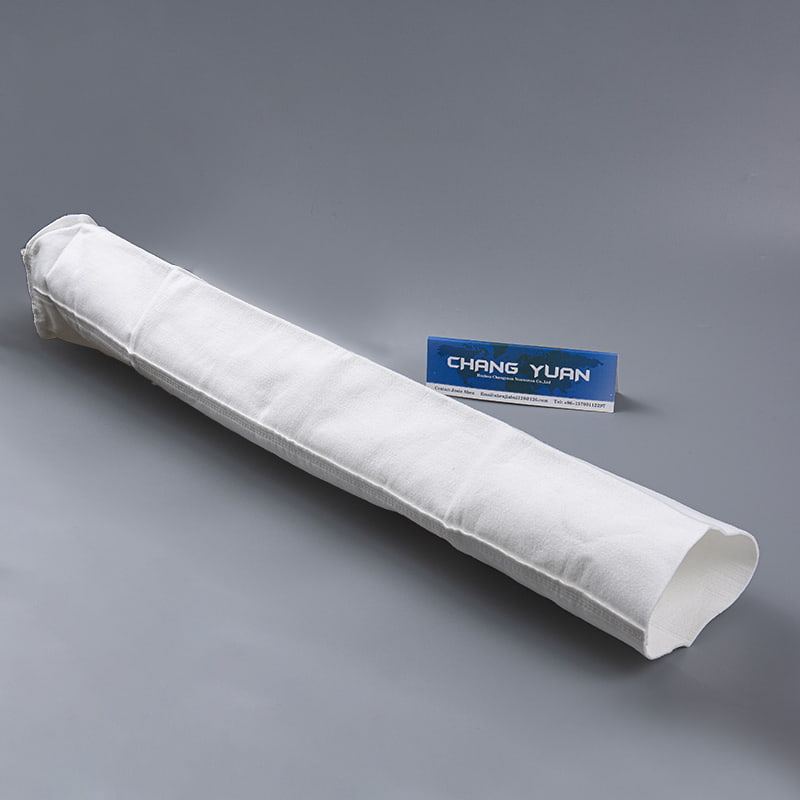
Industrial dust collectors require a balance between maintaining sufficient airflow and achieving effective particle separation. Properly designed Non-Woven Filter Fabric structures allow dust cakes to form gradually, which can improve overall filtration efficiency while minimizing energy requirements.
Emerging Sustainability Trends in Needle-Punched Filtration Materials
Sustainability is becoming an important factor in material selection. Recycled fibers certified under GRS standards are increasingly used in the production of Needle Punch Non-Woven Filter Fabric without compromising mechanical properties. Manufacturers are also focusing on reducing production waste and optimizing energy consumption during needling and thermal treatment processes.
Benefiting from its strategic location near Shanghai Port, Huzhou Changyuan Nonwoven Co., Ltd. can efficiently deliver products to global customers while supporting sustainable manufacturing practices. The company's expertise extends beyond filtration materials to applications such as sofa and mattress linings, carpets, automotive interior fabrics, medical nonwovens, cleaning products, geotextiles, and agricultural materials, providing versatile solutions for diverse industries.
```


 English
 中文简体
中文简体 Furniture
 Carpet
 Automotive
 Composite
 Geosynthetics
 Medical
 Filtration
 Cleaning Supplies
 Building Industry
 Agricultural Use
 Consumer Goods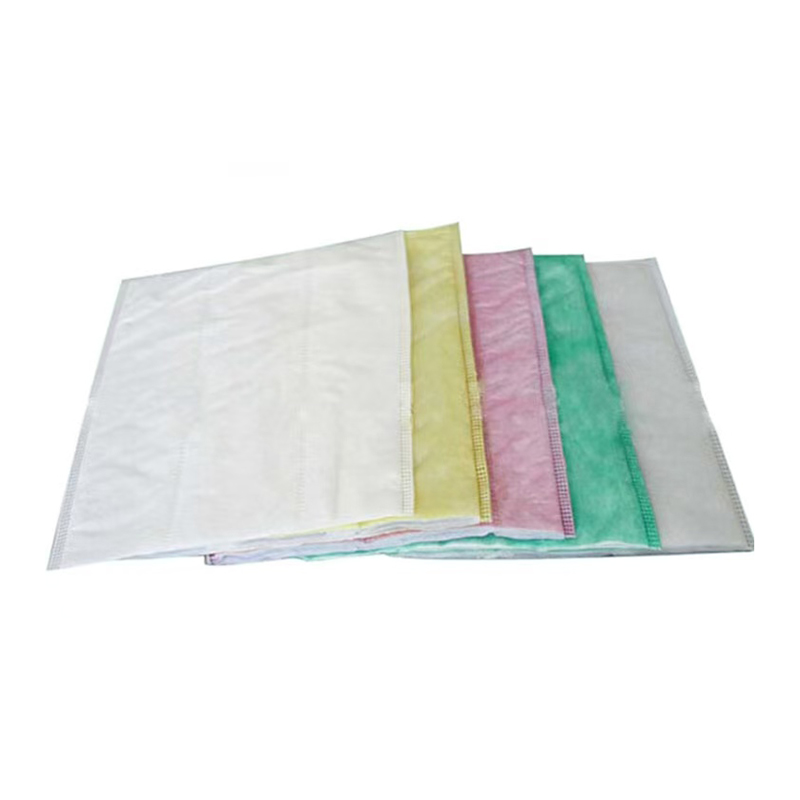

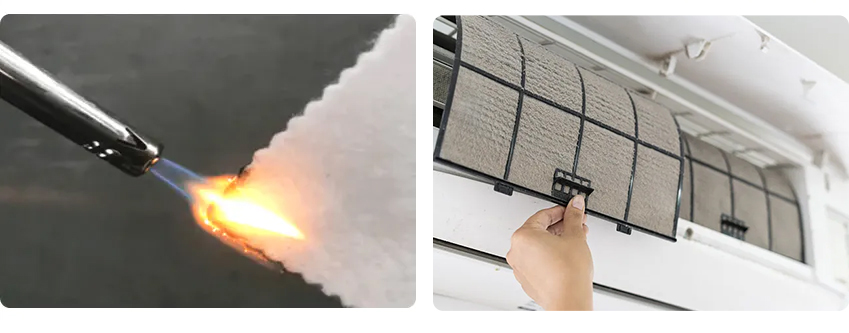
 High Temp Resistance
 Low Pressure Drop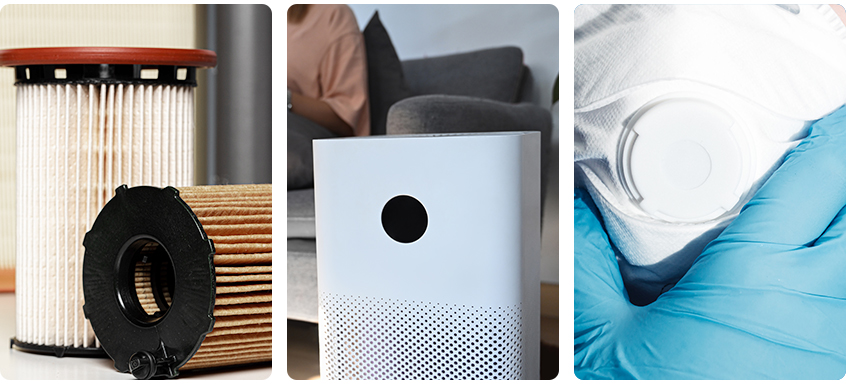
 Tel: +86 15700112297
  WhatApp: +86 15700112297
  E-mail:
  Yinziqiao Village, Shicong Town, Nanxun District, Huzhou City, Zhejiang Province, China