English
 中文简体
中文简体Content
What Needle-Punched Nonwoven Sunshade Material Is
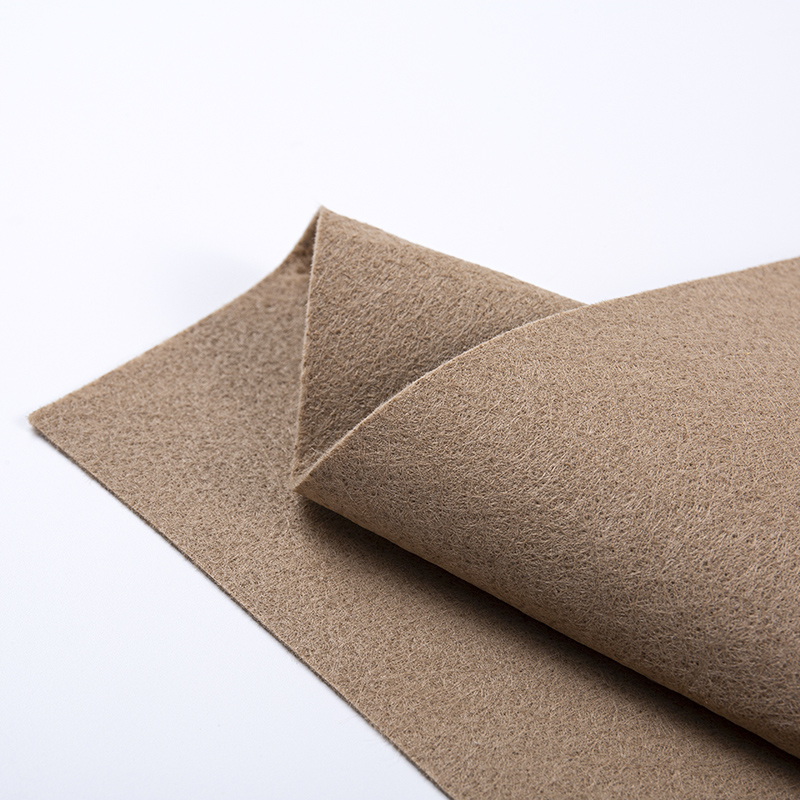
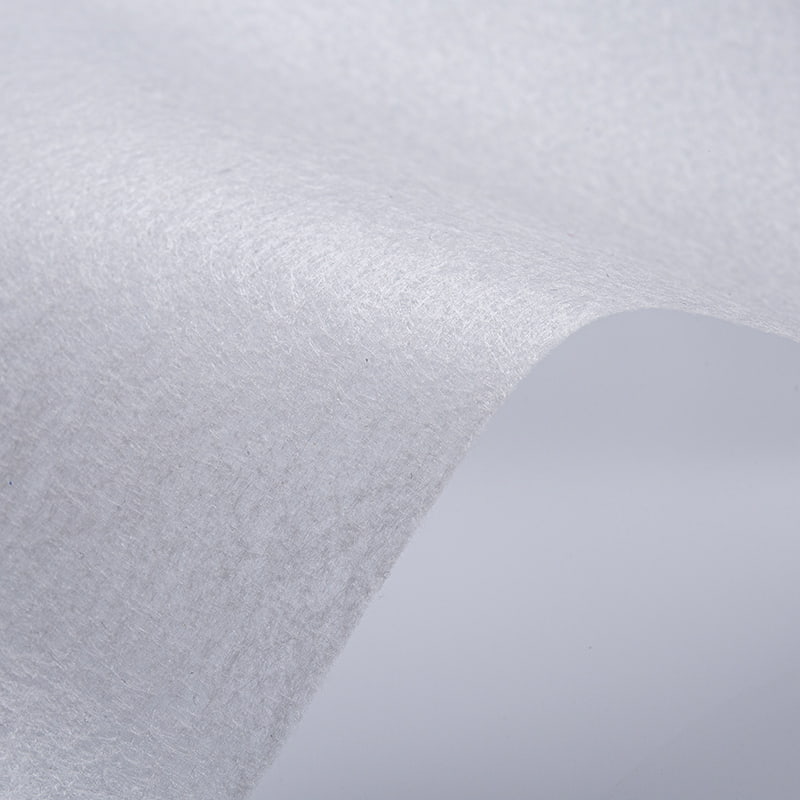
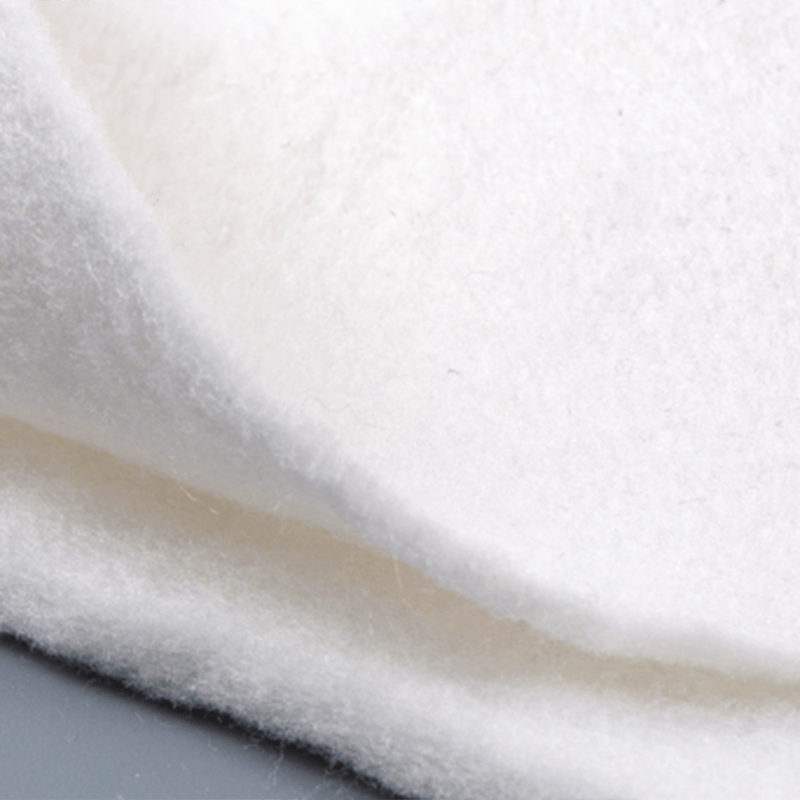
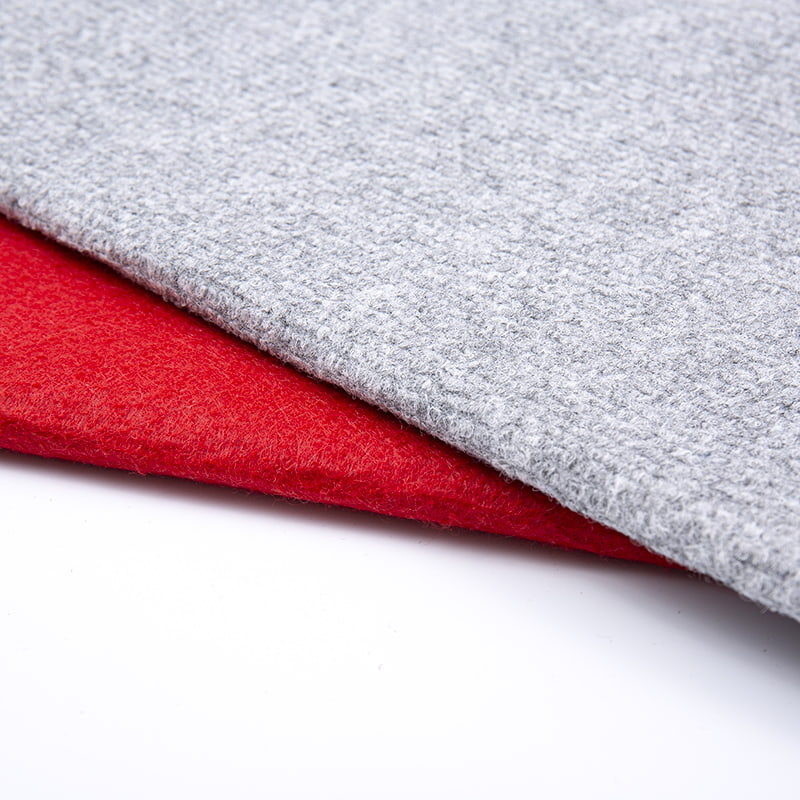
Needle-punched nonwoven sunshade material is a fabric made by mechanically interlocking fibers using barbed needles, rather than weaving or knitting them together. This process creates a dense, felt-like structure that blocks sunlight, reduces heat buildup, and resists tearing under wind load, making it a popular choice for shade sails, greenhouse covers, parking lot canopies, and agricultural shading applications. Because the fibers are physically entangled rather than bonded with adhesives or heat alone, needle-punched fabric tends to hold up well against repeated flexing and outdoor exposure compared to some lighter nonwoven alternatives.
The manufacturing process starts with polypropylene or polyester fibers laid into a loose web, which is then passed through a needle loom where thousands of barbed needles repeatedly punch through the web, pushing fibers vertically and horizontally to create mechanical bonds. The resulting fabric has a three-dimensional fiber structure that provides both strength and shade coverage without the woven grid pattern found in traditional shade cloth.
What Determines Durability in Sunshade Material
Several manufacturing and material factors directly influence how long a needle-punched nonwoven sunshade fabric will last outdoors, particularly under prolonged UV exposure and mechanical stress from wind and weather.
Fiber Type and UV Stabilization
Most durable sunshade fabrics use polypropylene or polyester fibers treated with UV stabilizers during manufacturing, which slow down the degradation caused by prolonged sun exposure. Without UV stabilization, nonwoven fabrics can become brittle and lose tensile strength within a single season, while properly stabilized fabrics can maintain performance for several years. Buyers should confirm the UV treatment method and expected service life with suppliers, since stabilizer quality varies significantly between manufacturers.
Fabric Weight and Density
Fabric weight, measured in grams per square meter (gsm), correlates closely with durability and shade performance. Heavier fabrics generally offer greater tear resistance and longer service life, though they also increase material cost and installation weight. The table below outlines common weight ranges and their typical applications.
| Weight (gsm) | Shade Factor | Typical Use |
| 80-120 | 30-50% | Light garden and nursery shading |
| 120-180 | 50-70% | Residential patios, carports |
| 180-250 | 70-90% | Commercial shade sails, playgrounds |
| 250+ | 90%+ | Industrial and long-term outdoor structures |
Needle Density and Bonding Quality
The number of needle punches per square centimeter during manufacturing affects how tightly the fibers are interlocked. Higher needle density generally produces a stronger, more tear-resistant fabric, though excessive punching can weaken individual fibers if not carefully controlled. Reputable manufacturers balance needle density with fiber integrity to achieve optimal strength without sacrificing fabric flexibility.
Comparing Needle-Punched Nonwoven to Woven Shade Cloth
Needle-punched nonwoven fabric differs from traditional woven shade cloth in structure and performance characteristics, and understanding these differences helps buyers select the right material for their specific project.
- Needle-punched fabric does not unravel at cut edges the way woven fabric can, reducing the need for hemming in some applications.
- Woven shade cloth typically allows more airflow through its grid structure, which can reduce wind load on large structures.
- Nonwoven fabric generally provides more uniform shade coverage without the visible grid pattern of woven materials.
- Woven fabric often has higher tensile strength per unit weight, making it preferable for very large tensioned shade sails.
Installation Considerations for Longer Service Life
How a sunshade fabric is installed significantly affects how long it lasts, regardless of the material's inherent durability. Proper tensioning during installation prevents excessive flapping in wind, which causes fatigue at stress points and can lead to premature tearing. Edge reinforcement, such as sewn hems or reinforced grommet points, distributes load more evenly across the fabric and reduces the risk of localized failure at attachment points.
Support structures should be sized appropriately for the expected wind loads in the installation area, since undersized poles or anchor points can transfer excessive stress to the fabric itself. In regions with heavy snow or ice accumulation, sunshade structures should include a plan for seasonal removal or reinforced support, since nonwoven fabric is not typically designed to bear significant static weight.
Maintenance Tips to Extend Fabric Life
Regular maintenance helps needle-punched nonwoven sunshade fabric reach its full expected service life. The following practices are recommended for most outdoor installations.
- Rinse fabric periodically with clean water to remove dust, pollen, and debris that can trap moisture against the fibers.
- Inspect seams, grommets, and attachment points regularly for signs of stress or fraying.
- Loosen or remove fabric before major storms if the structure is not rated for high wind loads.
- Avoid prolonged contact with sharp or abrasive surfaces that could puncture or fray the fabric over time.
Choosing a durable needle-punched nonwoven sunshade material comes down to evaluating fiber quality, UV stabilization, fabric weight, and needle density, then pairing the right material with proper installation and routine maintenance. With the right combination of these factors, needle-punched nonwoven sunshade fabric can provide reliable, long-lasting protection from sun and heat across a wide range of outdoor applications.

 Tel: +86 15700112297
  WhatApp: +86 15700112297
  E-mail:
  Yinziqiao Village, Shicong Town, Nanxun District, Huzhou City, Zhejiang Province, China