English
 中文简体
Content
- 1 The Layer Stack Inside a Disposable Diaper
- 2 The Four Ways Diaper Layers Are Bonded Together
- 3 Quick Reference: How Each Layer Is Held in Place
- 4 Elastic Strands and Refastenable Tabs: Holding a Diaper On
- 5 Why the Bonding Map Matters: Leaks, Comfort, and Skin Health
- 6 What Buyers Should Ask a Nonwoven Supplier
Anyone who has wrestled a wriggling baby into a diaper, or peeled a soaked one off after a long night, has probably asked a version of the question: how do diapers hold together? The honest answer is that a disposable diaper never depends on one single bond. It is a stack of nonwoven layers, film, fluff pulp, and superabsorbent polymer, joined at thousands of tiny points, held under tension by stretched elastic, and closed with a mechanical fastener. Every one of those joints has a job, and every one of them is engineered.
We make needle-punched nonwovens for absorbent, medical, furniture, and industrial products, so we tend to look at this question from the material side of the supply chain. In this article we will walk through the layer stack of a typical diaper, the four bonding technologies that hold it together, the elastic and fastening systems that keep it on the baby, and the specifications that decide whether a bond survives its first wet night.
The Layer Stack Inside a Disposable Diaper
A disposable diaper is usually described as four functional zones, but you can easily count six or seven layers once every wrap and adhesive line is included. From the skin outward, the stack looks like this:
- Topsheet. The layer that touches the skin. It is fluid-pervious, soft, and treated so liquid passes through quickly while the surface still feels dry. Spunbond and through-air bonded nonwovens dominate this position.
- Acquisition and distribution layer. A lofted, resilient layer that takes the initial rush of liquid away from the topsheet and spreads it along the core. Needle-punched and through-air bonded structures are common here because they keep their thickness and their channels when wet.
- Absorbent core. Fluff pulp blended with superabsorbent polymer, wrapped in a tissue or nonwoven core wrap. The polymer does the actual holding of the liquid.
- Backsheet. The liquid-impervious outer cover, usually a microporous breathable film laminated to a spunbond nonwoven for a cloth-like feel.
- Containment cuffs and waistband. Hydrophobic nonwovens with spandex strands running inside them, forming the soft gaskets that stop side leaks.
- Fastening system. Adhesive tape tabs, or hook-and-loop panels that engage a bonded loop landing zone.
Each layer starts from a different type of nonwoven fabric, and the bonding method has to suit that material. A spunbond topsheet, a lofted acquisition layer, and a meltblown barrier all behave differently under heat, pressure, and glue, which is why diaper converting lines combine several joining technologies on one machine.
The Four Ways Diaper Layers Are Bonded Together
Turning that stack into a single product comes down to four families of bonding. Most diapers use at least three of them at the same time.
1. Mechanical entanglement
Needle punching and hydroentangling bond a nonwoven without any adhesive at all. Barbed needles push fibers through the batt hundreds of times per minute, or high-pressure water jets entangle them, so the fibers themselves become the joint. The result is a thick, flexible, three-dimensional structure that keeps working when wet and does not stiffen with age. That is exactly why entangled structures appear in lofted absorbent layers, medical padding, and wicking composites, and it is the technology behind the moisture-wicking wound-dressing composite we build for healthcare converters.
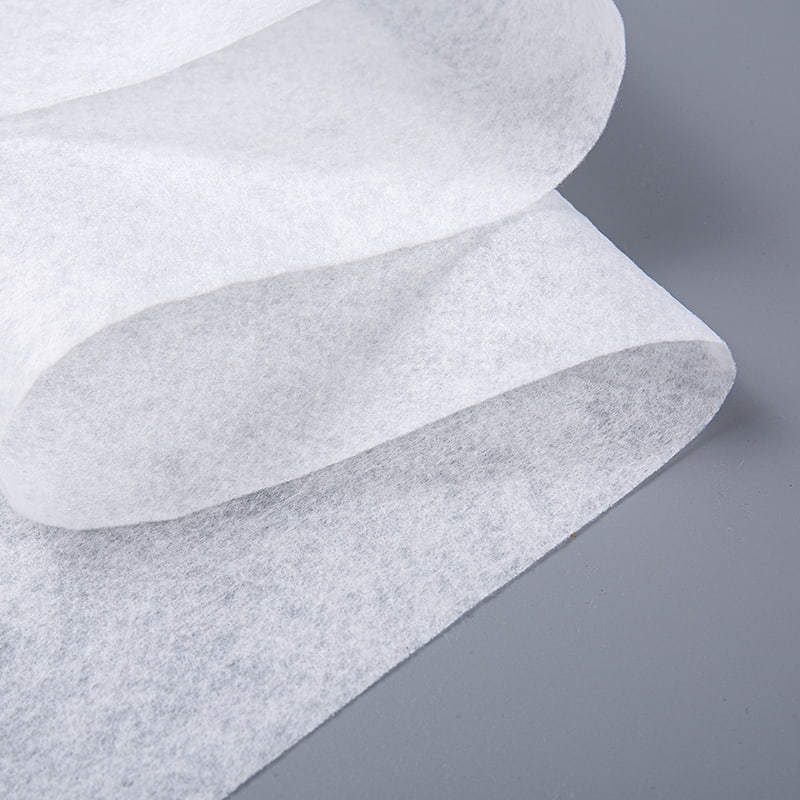 Moisture-Wicking Wound Dressing Needle-Punched Nonwoven CompositeProduct information Promote faster healing with our moisture-wicking wound dressing, crafted from advanced needle punched nonwoven composite. This innovative material ...View Product →
2. Thermal and ultrasonic bonding
Where the web contains thermoplastic fibers, heat and pressure can weld fibers to each other directly. Calendar point bonding runs the web between a heated engraved roll and a smooth roll, creating a pattern of small bonds that holds the sheet together while leaving most of the surface soft. Through-air bonding uses hot air to activate bicomponent fibers throughout the web. Ultrasonic bonding has become the fastest-growing option for diapers because it needs no glue and no drying time: a sonotrode vibrates against a patterned anvil, and the energy melts the fibers only where the pattern touches. Side seams on training pants, cuff attachments, and core stabilization lines are frequently ultrasonic welds.
3. Hot-melt adhesive
Adhesives still do much of the quiet work. Construction adhesive holds the absorbent core to the backsheet, laminates film to nonwoven, and seals the core wrap. It is applied by spiral spray, slot coating, or strand coating, depending on how much flexibility and coverage the joint needs. Elastic strands are glued while stretched; when the tension is released, the nonwoven gathers around them and the waistband or leg cuff stays elastic for the life of the product. The discipline with adhesive is restraint. Too much creates stiffness and blocks breathability, too little creates a bond that fails under a wet load.
4. Mechanical fasteners
The last family is not chemical at all. Tape tabs use a pressure-sensitive adhesive that can be peeled and re-stuck, while hook-and-loop systems rely on a bonded loop landing zone and a molded hook tab. Cloth diapers take the same principle in a reusable form: snap poppers, hook-and-loop covers, and separate inserts and liners that are assembled by the caregiver rather than by a converting line.
Quick Reference: How Each Layer Is Held in Place
When you are specifying materials or troubleshooting a bond line, it helps to see the layer, the material, and the bonding method in one view.
| Layer | Typical material | How it is held |
|---|---|---|
| Topsheet | Spunbond or through-air bonded nonwoven | Adhesive lines plus thermal or ultrasonic bonds to the acquisition layer |
| Acquisition layer | Lofted needle-punched or through-air bonded nonwoven | Adhesive, mechanical entrapment, or left unbonded by design |
| Absorbent core | Fluff pulp with superabsorbent polymer inside a core wrap | Core wrap sealed by adhesive, thermal, or ultrasonic bonds |
| Backsheet | Breathable film laminated to a spunbond nonwoven | Hot-melt lamination adhesive or thermal bonding |
| Containment cuffs | Hydrophobic spunbond-meltblown-spunbond nonwoven with spandex | Stretched elastic glued or ultrasonically bonded in place |
| Waistband | Elastic strands or film laminated between nonwovens | Adhesive or ultrasonic lamination |
| Fastening tab | Adhesive tape or molded hook with a nonwoven loop zone | Pressure-sensitive adhesive or mechanical engagement |
Elastic Strands and Refastenable Tabs: Holding a Diaper On
Holding together is only half the job. A diaper also has to hold onto a moving baby, and two systems do that work: elastic and fastening.
Elastic strands run through the leg cuffs and waistband under tension, and they are anchored while stretched. Every strand is captured inside a fold of nonwoven, either by a bead of adhesive or by an ultrasonic bond, so that when the tension releases, the material gathers into soft pleats. The bond has to survive thousands of stretch-and-recover cycles without creeping, because a cuff that relaxes is a cuff that leaks.
Fastening is the second half. Refastenable tape tabs need a surface that can be peeled and re-stuck many times without tearing or leaving residue, and hook-and-loop designs need a landing zone engineered as a loop nonwoven with the right openness and strength. That landing zone is often a needle-punched or spunbond loop with a controlled surface structure, and it is one of the few parts of a diaper a parent touches every single change.
The same demand for soft, breathable, conformable materials shows up in wearable medical products. A breathable bandage is a good example: it has to stay soft against skin, manage moisture, and hold its shape while the body moves.
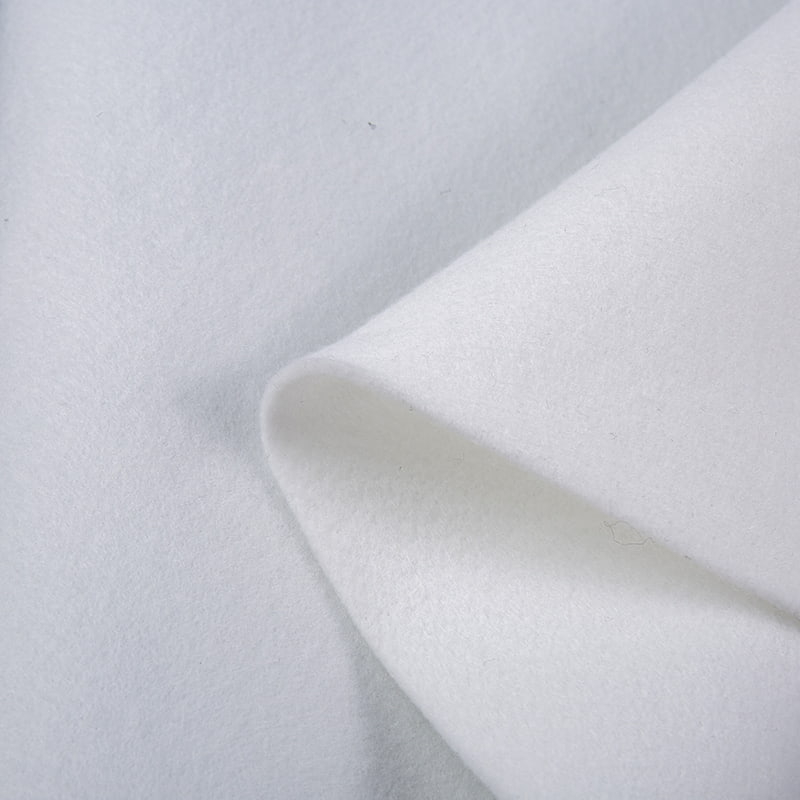
 Breathable Bandage Needle-Punched NonWovensBreathable Highly Adaptable Needle-Punched Nonwoven Bed Padding Transform your sleep experience with breathable highly adaptable nonwoven bed padding, made from pre...View Product →
Why the Bonding Map Matters: Leaks, Comfort, and Skin Health
Most leak complaints are blamed on the absorbent core, but in our experience a large share of them start at a bond line. A seam that holds dry may creep or separate when it is wet, warm, and loaded with shear stress from a sitting baby. That is why converters test wet bond strength and aged bond strength, not just dry peel values.
Comfort is the second driver. Bond points that are too large or too rigid create stiff panels that press against the hips and thighs, while over-application of adhesive makes the whole product feel boardy. Skin health is the third. Breathability depends on how much of the backsheet and cuff area is left open for moisture vapor to escape, and every extra adhesive line reduces that area. Lint-free, skin-friendly nonwovens are equally important in products that sit against skin for hours, from disposable gowns to dressings, and we supply skin-friendly disposable surgical gown nonwoven fabric on that basis.
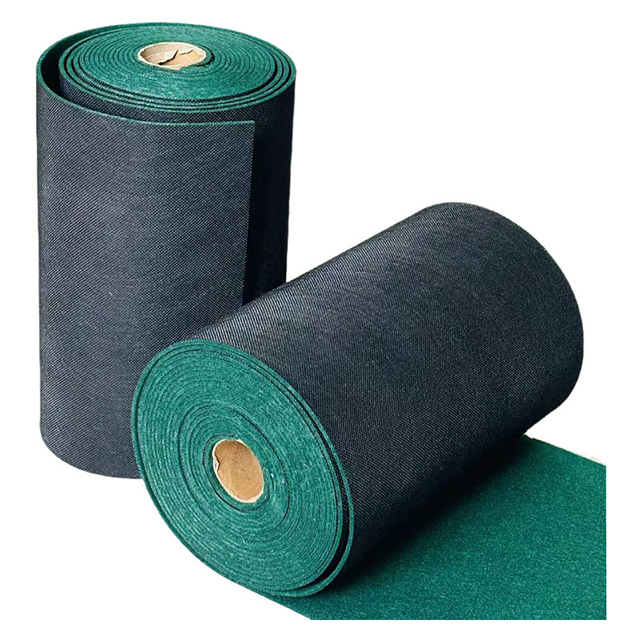
 Skin-Friendly Disposable Surgical Gown Needle-Punched Nonwoven FabricProduct information Ensure comfort and safety with our skin-friendly disposable surgical gown, made from premium needle punched nonwoven fabrics. This soft, breathable...View Product →
- Peel strength measures how hard it is to pull two bonded layers apart, which predicts seam integrity.
- Shear strength shows how a bond behaves when the load pulls sideways, as it does when a baby sits.
- Elongation and recovery describe how much a cuff or waistband can stretch and still return.
- Wet aging repeats those tests after storage and moisture exposure, which is closer to real use.
- Rewet confirms that the acquisition layer is moving liquid away from the topsheet rather than trapping it there.
What Buyers Should Ask a Nonwoven Supplier
If you are developing an absorbent hygiene product, the bonding method you choose early will narrow your material options later. Ultrasonic welding, for instance, needs enough thermoplastic content in the web to melt and re-solidify, so a fiber blend that is ideal for a hydroentangled wipe may be a poor fit for a sonically welded cuff.
These are the questions we ask when a customer brings us a new program:
- Which bond will hold this layer, and does the fiber blend support it?
- What basis weight, thickness, and loft does the application need, and how much of that must survive compression when wet?
- What tensile strength and elongation are required in the machine direction and cross direction?
- Does the product need to be breathable, hydrophobic, hydrophilic, flame retardant, or antistatic?
- Which certifications does the end market require, and does the supply chain need recycled content traceability?
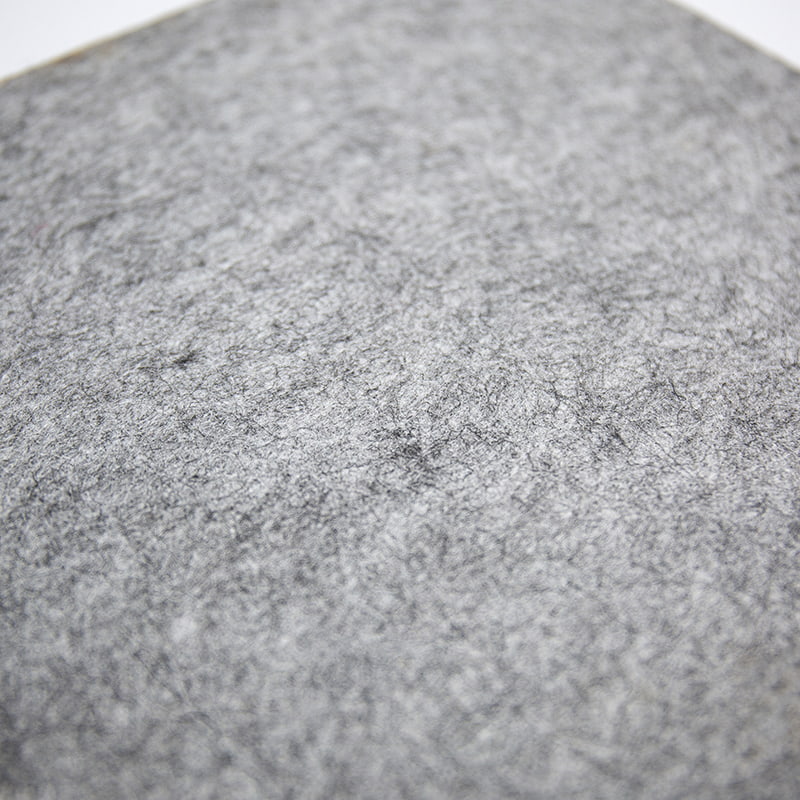
We needle-punch polyester and blended fibers, and we hold GRS and OEKO-TEX certifications for the material we ship, which matters to buyers who need documented recycled content or verified textile safety. Just as importantly, we offer custom finishing processes such as embossing, composite lamination, quilting, punching, printing, and self-adhesive backing, because the bond line is often what defines the finished part.
custom finishing processesSo how do diapers hold together? Through a combination of entangled fibers, melted bond points, controlled adhesive lines, stretched elastic, and a mechanical closure, each chosen for the layer it serves. The next time you fasten a tab or hear a cuff settle into place, you are watching about a dozen material decisions working at once. If you are building a product that needs to hold together the same way, the sensible starting point is the material itself, and we are happy to talk through the options with you.
 Tel: +86 15700112297
 WhatApp: +86 15700112297
 E-mail:
 Yinziqiao Village, Shicong Town, Nanxun District, Huzhou City, Zhejiang Province, China