Industry Knowledge
Acoustic Dampening and NVH Management in Vehicle Cabins
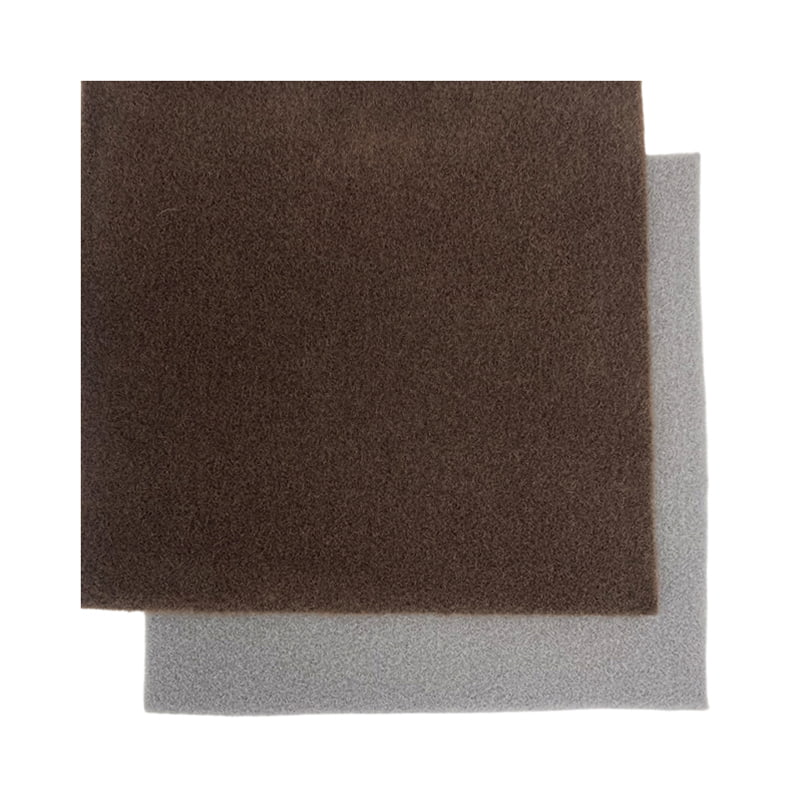
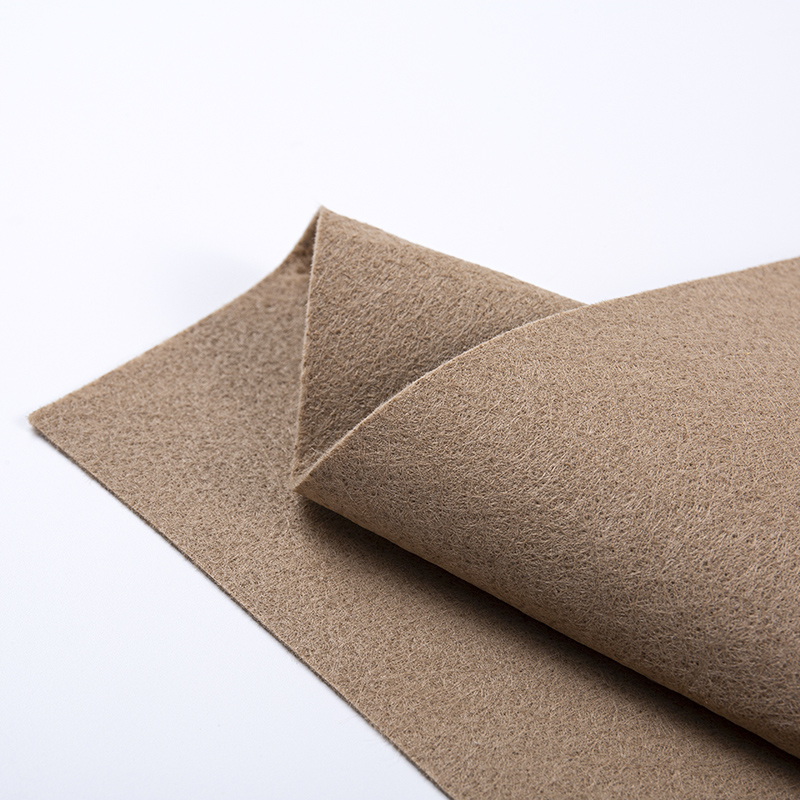
The mitigation of Noise, Vibration, and Harshness (NVH) is a critical engineering priority in modern vehicle design. Automobile Needle-Punch Nonwoven Fabrics play an indispensable role in this domain due to their highly porous, three-dimensional fiber architecture. Unlike solid barriers that merely reflect sound waves, these nonwoven structures absorb acoustic energy by forcing air molecules to navigate through the intricate fiber network, converting sound energy into microscopic amounts of heat through friction. By precisely calibrating the fiber denier, web thickness, and needle-punching density, manufacturers can tune the airflow resistance to target specific frequency ranges, effectively dampening road noise, engine hum, and wind turbulence without adding excessive weight to the vehicle.
Thermal Insulation and Climate Control Efficiency
Beyond acoustic benefits, the trapped air pockets within the nonwoven matrix provide excellent thermal insulation. This property is particularly valuable in dashboard insulators, hood liners, and door panel backings, where it prevents heat transfer from the engine bay or external environment into the passenger cabin. Consequently, this reduces the thermal load on the vehicle's HVAC system, contributing to overall energy efficiency and improved range in electric vehicles.
Structural Reinforcement and Moldability for Interior Components
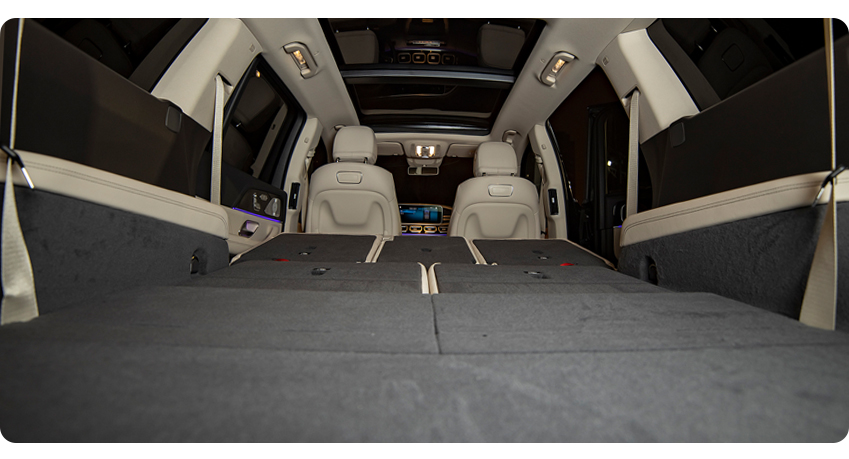
The application of Needle-Punch Nonwoven Fabrics in Car Interiors extends far beyond simple insulation; they serve as critical structural substrates for various molded components. In headliners, trunk liners, and door panel armrests, these fabrics are often combined with polyurethane foams or thermoplastic resins. The mechanical entanglement of fibers provides exceptional tensile strength and tear resistance, ensuring the material maintains its dimensional stability during the high-heat, high-pressure thermoforming processes used in automotive manufacturing.
Component-Specific Material Requirements
- Headliners: Require high stiffness and excellent surface adhesion for decorative fabric lamination, ensuring the material does not sag over time under varying thermal conditions.
- Trunk Liners: Demand high abrasion resistance and dimensional stability to support heavy cargo loads without tearing or permanently deforming.
- Door Panel Backings: Need superior moldability to conform to complex geometric shapes and deep draws without thinning out or losing structural integrity.
Sustainable Production and Global Supply Chain Integration
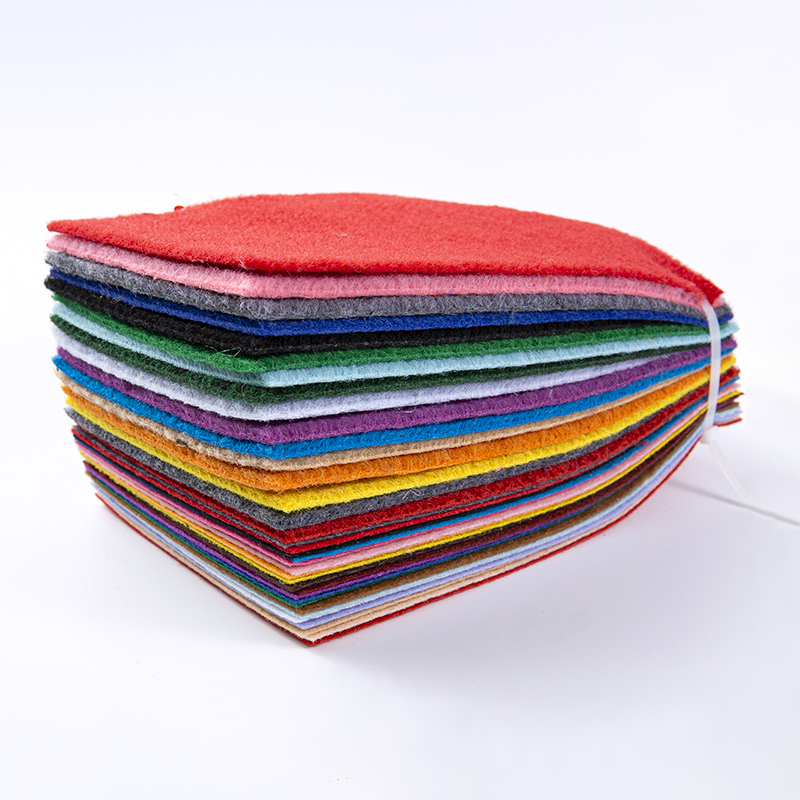
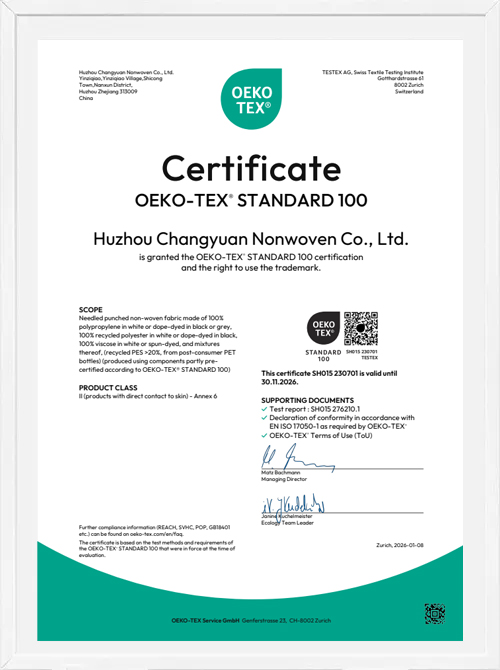
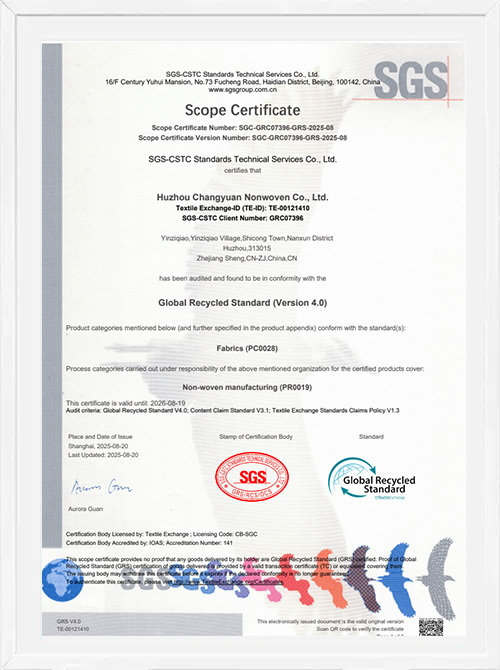
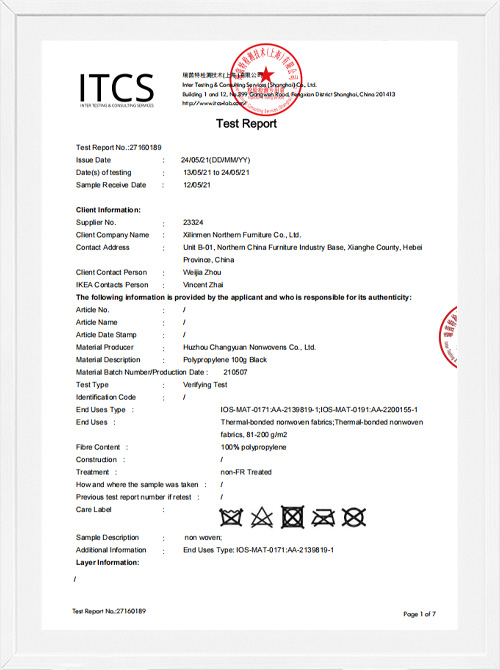
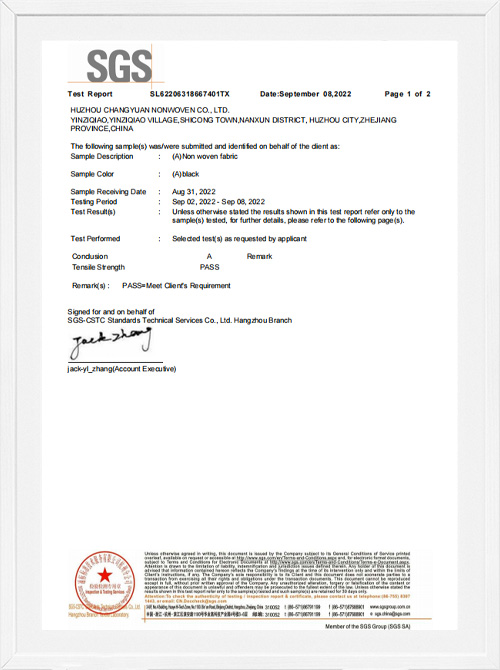
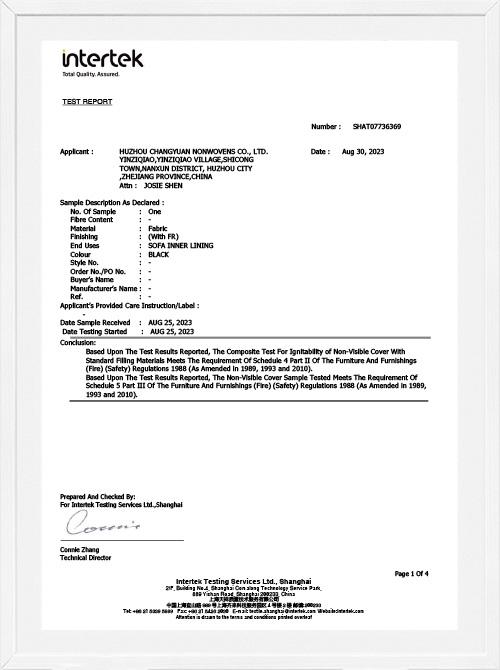
As the automotive industry shifts toward circular economy principles, the sourcing of sustainable materials has become paramount. Huzhou Changyuan Nonwoven Co., Ltd. is situated in Zhejiang Province, with close proximity to Shanghai Port—an advantage that ensures efficient cargo delivery for global clients. The company specializes in the research, development, production, and marketing of high-quality needle-punched nonwovens. Their products boast a broad application scope, covering sofa/mattress linings, carpets, automotive interior fabrics, geotextiles, and cleaning products. They also include medical-grade nonwovens, and are further suitable for filtration, agricultural uses, and beyond. Crucially, their materials have earned GRS (Global Recycled Standard) and OEKO-TEX® certifications, upholding quality and sustainability. They warmly welcome domestic and foreign partners for win-win collaboration to drive the adoption of eco-friendly automotive textiles.
Material Selection and Performance Metrics
Selecting the optimal fiber composition for Automotive Nonwoven Fabrics requires a careful balance of mechanical properties, thermal resistance, and cost-efficiency. The physical characteristics of the base polymer dictate how the material will perform under the extreme temperature fluctuations, UV exposure, and mechanical stress experienced inside a vehicle cabin. The following table outlines the typical performance characteristics of different fiber blends used in needle-punch applications for vehicle interiors.
| Fiber Type |
Primary Automotive Application |
Tensile Strength |
Thermal Resistance |
Moisture Absorption |
| 100% PET (Polyester) |
Headliners, Door Panels |
High |
Moderate (up to 150°C) |
Low |
| 100% PP (Polypropylene) |
Trunk Liners, Wheel Arch Liners |
Moderate |
Low (up to 100°C) |
Very Low (Hydrophobic) |
| PET/PP Blend |
Carpet Backing, Hood Insulators |
High |
Moderate |
Low to Moderate |
| Recycled PET (rPET) |
Sustainable Cabin Insulation |
High |
Moderate |
Low |
```


 English
 中文简体
中文简体 Furniture
 Carpet
 Automotive
 Composite
 Geosynthetics
 Medical
 Filtration
 Cleaning Supplies
 Building Industry
 Agricultural Use
 Consumer Goods

 Oil/chemical Resistance
  Lightweight Design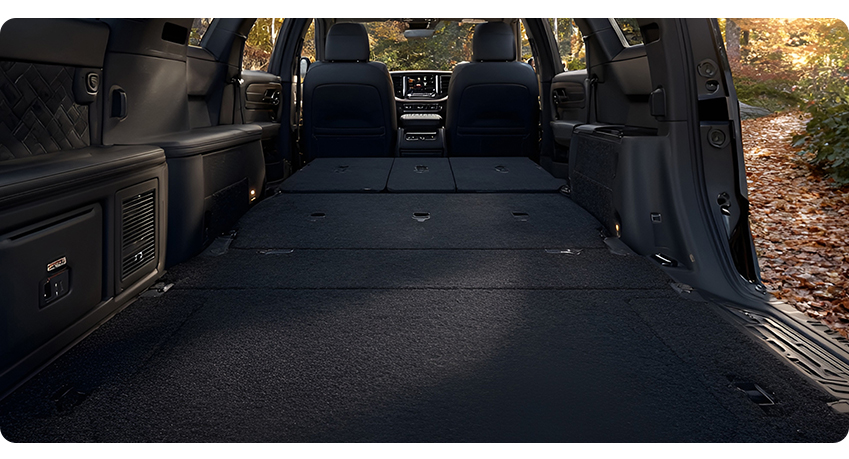
 Tel: +86 15700112297
  WhatApp: +86 15700112297
  E-mail:
  Yinziqiao Village, Shicong Town, Nanxun District, Huzhou City, Zhejiang Province, China