English
 中文简体
中文简体Content
- 1 Why Crop Frost Needle-Punched Nonwoven Protection Sheets Matter for Growers
- 2 How Needle-Punched Nonwoven Fabric Provides Frost Protection
- 3 Fabric Weight and Its Effect on Protection Level
- 4 Choosing the Right Sheet for Different Crop Types
- 5 Proper Installation Techniques for Maximum Effectiveness
- 6 Storage and Reuse Considerations
Why Crop Frost Needle-Punched Nonwoven Protection Sheets Matter for Growers
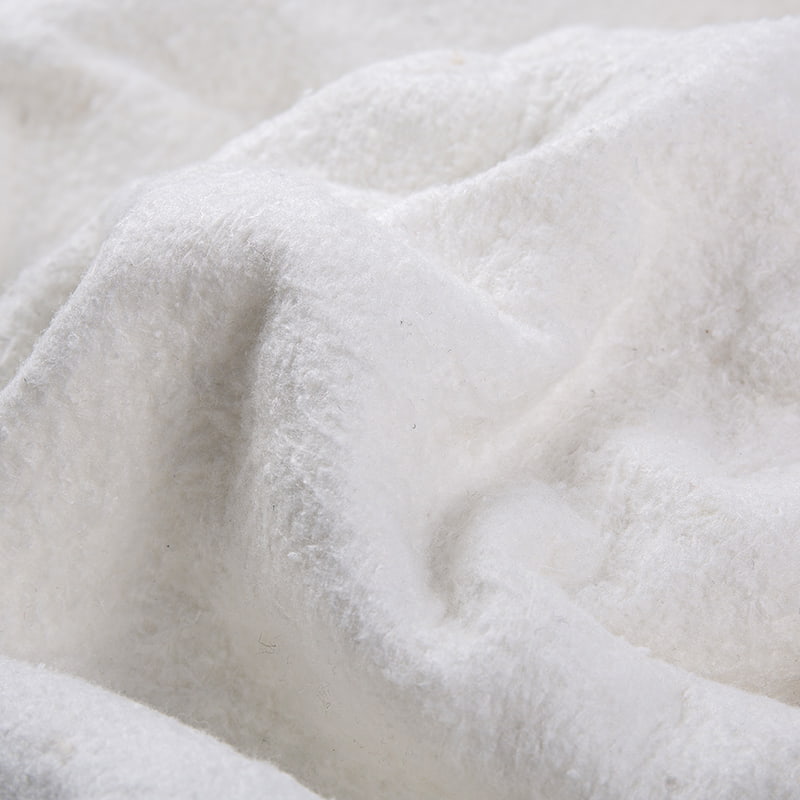
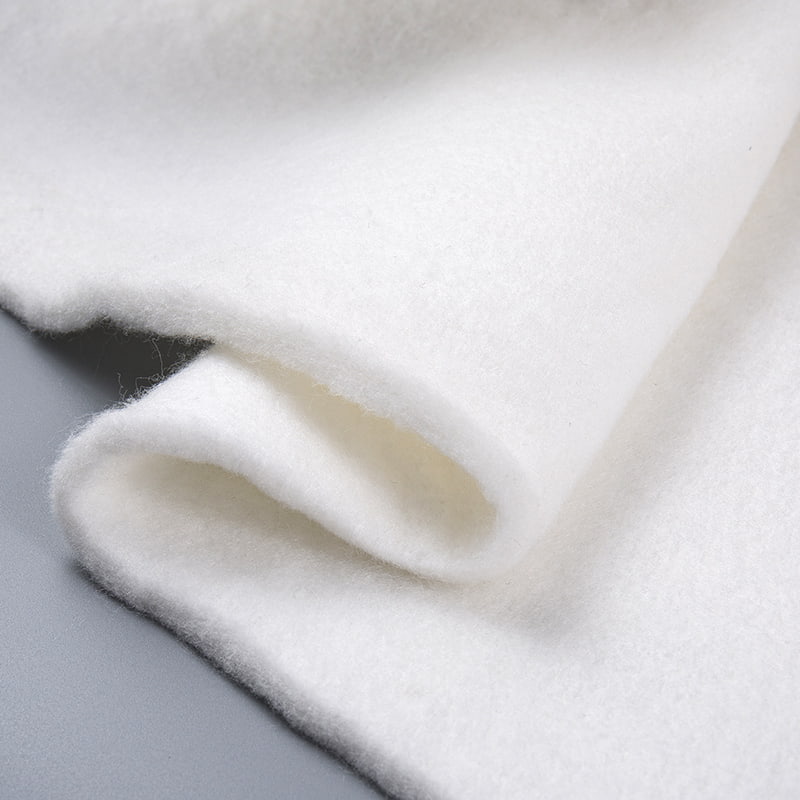
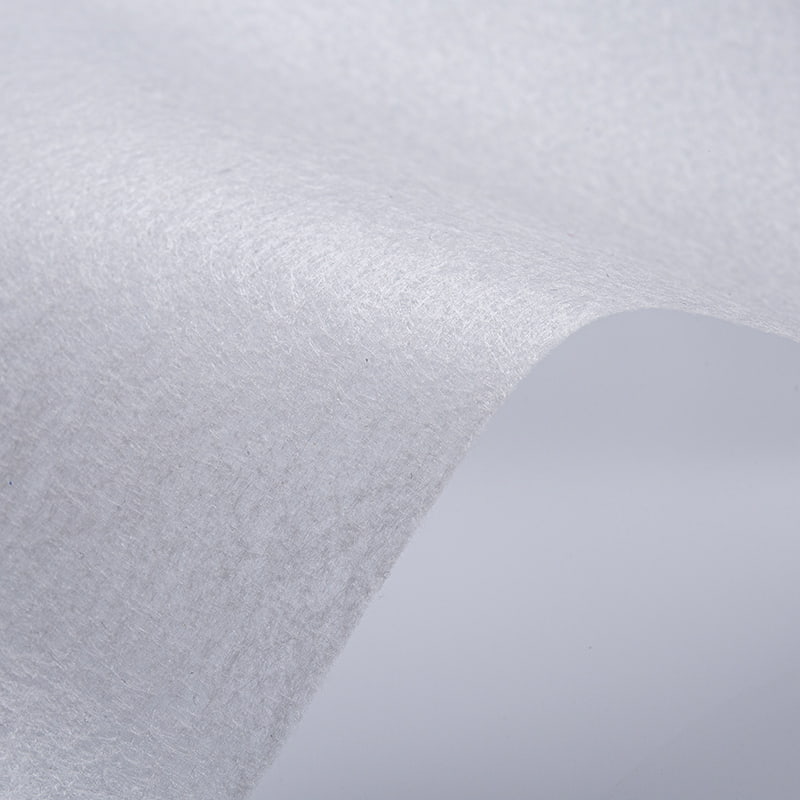
A crop frost needle-punched nonwoven protection sheet is a fabric-based covering used by farmers, orchard operators, and home gardeners to shield plants from frost damage, sudden temperature drops, and light freeze events. Unlike woven plastic sheeting or simple plastic film, needle-punched nonwoven fabric is created by mechanically interlocking fibers using barbed needles, producing a dense, felt-like material that traps a layer of insulating air close to the plant surface. This structure allows the fabric to raise the temperature beneath it by several degrees compared to open air, often enough to prevent tissue damage during a mild overnight frost.
The appeal of needle-punched nonwoven fabric over other frost protection methods comes down to a combination of practicality and cost. It is lightweight enough to drape directly over crops without needing a rigid support structure in many applications, breathable enough to avoid trapping excess moisture that could encourage fungal growth, and durable enough to be reused across multiple growing seasons if stored and handled properly. For growers managing frost-sensitive crops such as strawberries, leafy greens, citrus saplings, or newly transplanted seedlings, understanding how this material performs, how to select the right weight, and how to install it correctly can make a meaningful difference in reducing crop loss during unpredictable cold snaps.
How Needle-Punched Nonwoven Fabric Provides Frost Protection
The frost protection mechanism behind this fabric relies primarily on trapped air rather than active heat generation. When draped over plants, the fabric creates a semi-enclosed microclimate that slows the rate of heat loss from the soil and plant surfaces during cold nights, when radiative cooling causes temperatures at ground level to drop faster than the surrounding air.
Radiative Heat Retention
During clear, calm nights, plants and soil radiate heat upward into the atmosphere, which is the primary cause of radiative frost. A nonwoven cover interrupts this process by acting as a physical barrier that reflects some radiated heat back toward the plant and soil surface, slowing the temperature drop enough to keep the space beneath the fabric several degrees warmer than the open air above it.
Air Permeability and Moisture Management
Unlike solid plastic sheeting, needle-punched nonwoven fabric remains porous, allowing some air and moisture exchange even while providing insulation. This permeability reduces the risk of condensation buildup on the underside of the cover, which can otherwise create a humid environment favorable to fungal diseases such as botrytis, particularly in soft fruit crops like strawberries left covered for extended periods.
Fabric Weight and Its Effect on Protection Level
Nonwoven frost protection fabric is typically sold by weight, measured in grams per square meter (GSM), and this weight directly correlates with both the degree of frost protection provided and the amount of light transmission that reaches the plants beneath. Choosing the correct weight requires balancing frost protection needs against the light and airflow requirements of the specific crop being covered.
| Fabric Weight | Approximate Frost Protection | Light Transmission |
| 15-20 GSM | 2-3°F (about 1-2°C) | 85-90% |
| 30-40 GSM | 4-6°F (about 2-3°C) | 70-80% |
| 50-70 GSM | 6-8°F (about 3-4°C) | 50-65% |
Lighter weight fabrics in the 15 to 20 GSM range are generally used during the growing season for pest exclusion and mild temperature buffering, since they allow high light transmission and can remain on crops for extended periods without significantly affecting growth. Heavier fabrics in the 50 to 70 GSM range are reserved for hard freeze events or overwintering applications, where maximizing insulation matters more than light penetration, since these covers are typically only used for short durations during the coldest nights.
Choosing the Right Sheet for Different Crop Types
Different crops have different tolerances for reduced light and airflow, which should factor into fabric selection alongside the expected severity of frost events in a given region.
- Leafy greens and lettuce generally tolerate lightweight fabric well since they are often harvested quickly and do not require extended light exposure under cover
- Strawberries benefit from mid-weight fabric that balances frost protection with adequate airflow to reduce fungal disease risk during bloom and fruiting stages
- Citrus saplings and young fruit trees often require heavier fabric during hard freeze warnings, sometimes combined with ground-level heat sources for added protection
- Newly transplanted seedlings benefit from lightweight fabric left in place for several days after transplanting to reduce transplant shock alongside frost protection
Growers managing multiple crop types often keep several fabric weights on hand, since a one-size-fits-all approach can lead to either insufficient frost protection during severe cold events or unnecessary light restriction during milder conditions when a lighter cover would have been adequate.
Proper Installation Techniques for Maximum Effectiveness
How the fabric is installed significantly affects its frost protection performance, since gaps, improper anchoring, or direct contact with plant tissue can all reduce its effectiveness during a cold event.
Using Support Hoops or Frames
For delicate crops or taller plants, using wire hoops or a low tunnel frame to hold the fabric slightly above the plant canopy prevents direct fabric contact with leaves and stems. Direct contact points can act as cold bridges, allowing frost to form on the plant tissue even with the cover in place, since the insulating air layer is eliminated at the contact point.
Securing the Edges
Anchoring the fabric edges to the ground using landscape staples, soil, or heavy objects prevents wind from lifting the cover and creating gaps where cold air can enter. Edges that are not properly secured allow warm air trapped beneath the fabric to escape, significantly reducing the temperature buffer the cover is intended to provide.
Timing of Application and Removal
Covers should generally be applied in the late afternoon before temperatures begin dropping and removed the following morning once temperatures rise above freezing, particularly for heavier fabrics that significantly reduce light transmission. Leaving heavy fabric on for multiple consecutive days without removal can stress plants through reduced photosynthesis and restricted airflow.
Storage and Reuse Considerations
Needle-punched nonwoven fabric can typically be reused across multiple seasons if handled and stored correctly, making it a more economical long-term choice compared to single-use plastic sheeting despite a higher upfront cost per square meter.
After each use, the fabric should be allowed to fully dry before folding and storing to prevent mold or mildew growth during storage, particularly if the cover was in place during a frost event that involved morning dew or light precipitation. Storing the fabric away from direct sunlight when not in use also helps prevent UV degradation, which can weaken fiber bonds over time and reduce the fabric's tensile strength and insulating performance in subsequent seasons. Inspecting the fabric for tears or thin spots before each new season and patching or replacing damaged sections as needed helps maintain consistent frost protection performance throughout the fabric's usable lifespan, which commonly ranges from three to five growing seasons under proper care.

 Tel: +86 15700112297
  WhatApp: +86 15700112297
  E-mail:
  Yinziqiao Village, Shicong Town, Nanxun District, Huzhou City, Zhejiang Province, China