English
 中文简体
中文简体Content
- 1 What Are Medical Needle-Punch Nonwoven Fabrics
- 2 Why Needle-Punched Nonwovens Are Suitable for Mask Production
- 3 Key Properties That Define Mask-Grade Nonwoven Fabric
- 4 Common Applications Beyond Face Masks
- 5 How to Evaluate Suppliers of Medical Needle-Punch Nonwoven Fabrics
- 6 Trends Shaping the Future of Medical Nonwoven Fabrics
What Are Medical Needle-Punch Nonwoven Fabrics
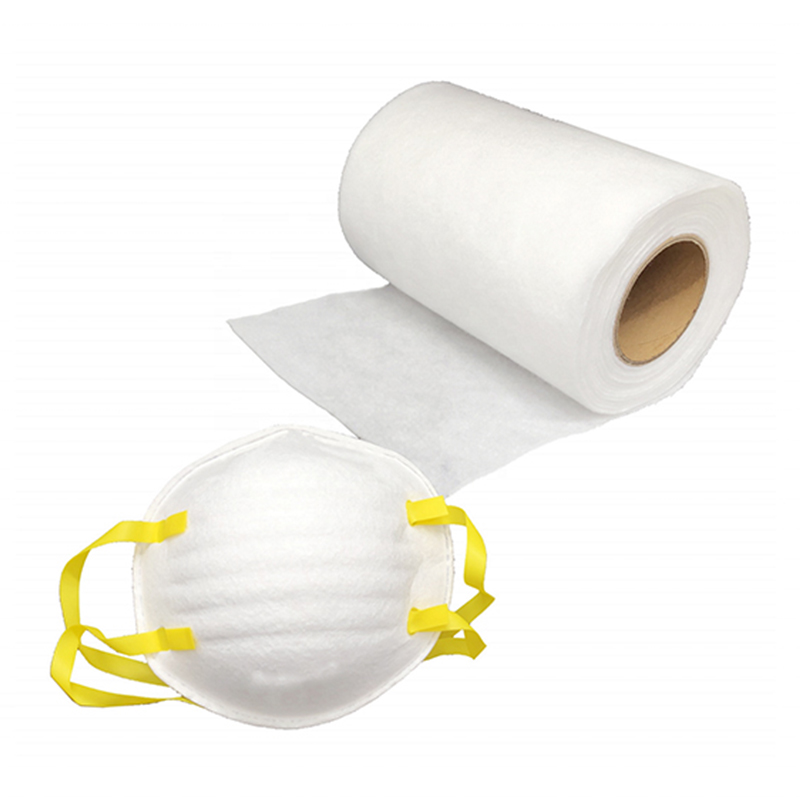
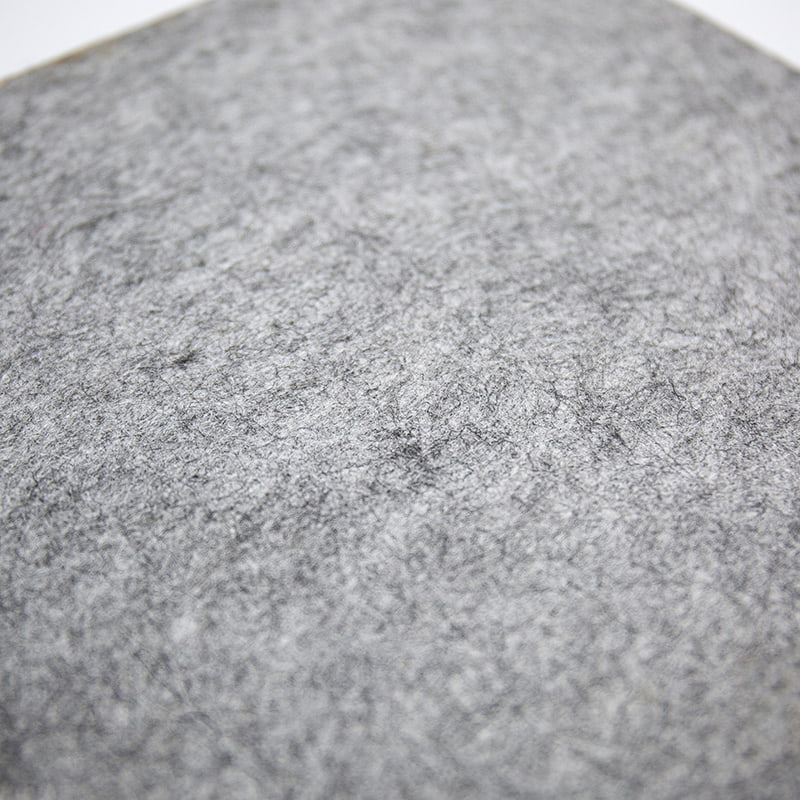
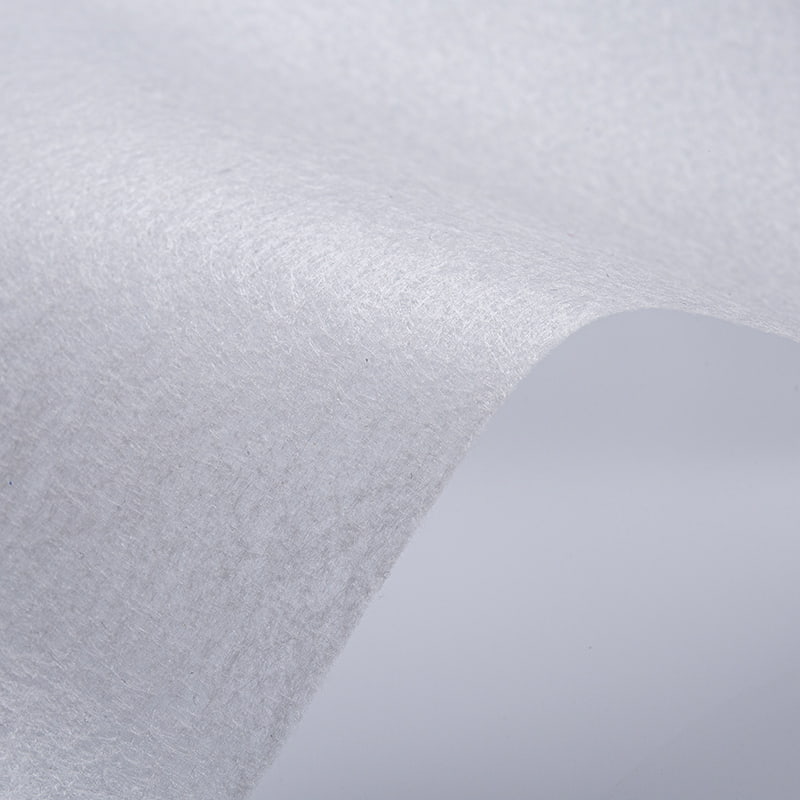
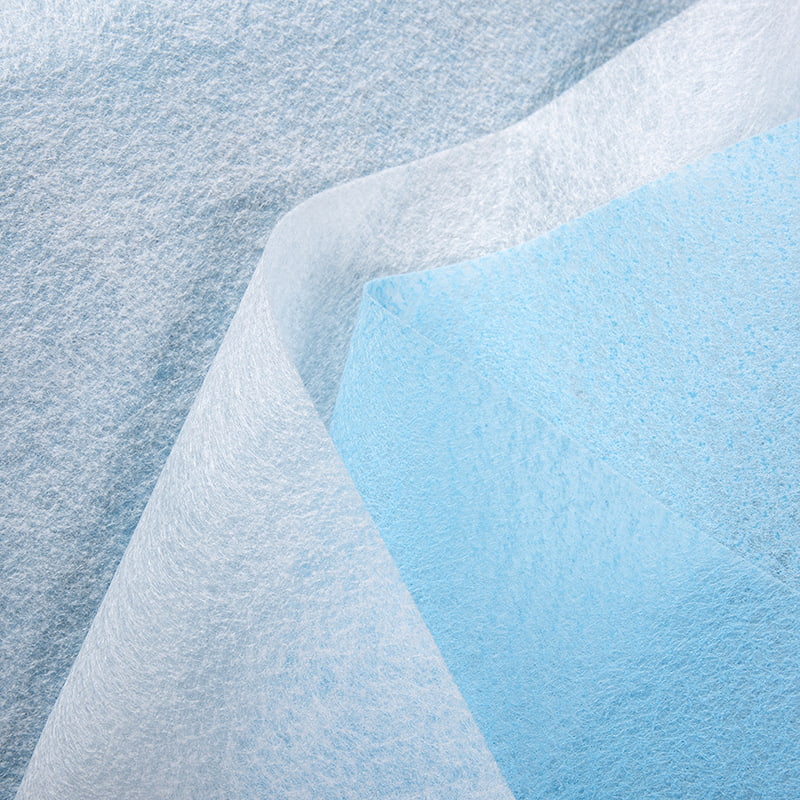
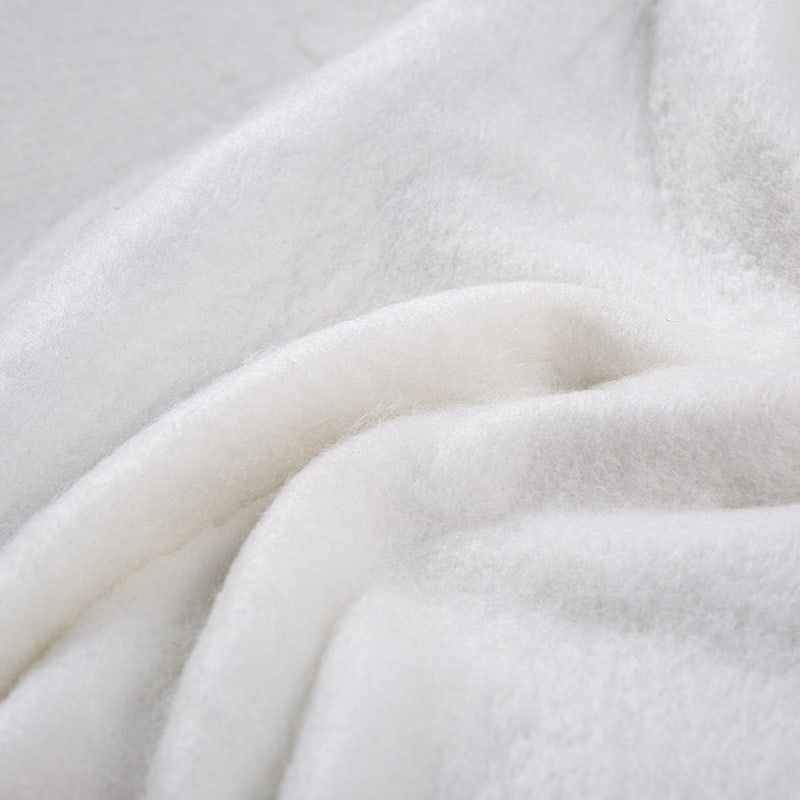
Medical needle-punch nonwoven fabrics are engineered textiles produced by mechanically interlocking fibers using barbed needles, rather than weaving or knitting them together. This process creates a dense, felt-like structure without the use of adhesives or thermal bonding agents, resulting in a fabric that is breathable, durable, and free of chemical residues that could irritate skin or interfere with sterile applications. Because of these properties, needle-punched nonwovens are widely used across the medical and healthcare industry, including in surgical drapes, wound dressings, protective gowns, and increasingly in face mask components.
The manufacturing process typically starts with fiber webs made from polypropylene, polyester, or blended synthetic fibers, which are then mechanically needled to achieve the desired thickness, density, and strength. This method allows manufacturers to fine-tune fabric characteristics such as air permeability, filtration efficiency, and tensile strength depending on the intended medical application.
Why Needle-Punched Nonwovens Are Suitable for Mask Production
Face masks require materials that balance breathability with effective particle filtration, and needle-punched nonwovens are well positioned to meet this dual requirement. The mechanical interlocking of fibers creates a structure with controlled porosity, allowing air to pass through while still trapping airborne particles, droplets, and contaminants. This makes needle-punched fabric particularly useful as a structural or filtration layer within multi-layer mask designs.
In addition to filtration performance, needle-punched nonwovens offer good dimensional stability, meaning the fabric maintains its shape and does not stretch or sag during extended wear. This is important for masks that need to maintain a snug, consistent fit against the face throughout a full shift of use in clinical or industrial settings.
Key Properties That Define Mask-Grade Nonwoven Fabric
Not all needle-punched nonwovens are suitable for mask production. Manufacturers must evaluate several performance characteristics to ensure the fabric meets both comfort and safety requirements. The table below summarizes the primary properties assessed during material selection.
PropertyWhy It MattersBasis Weight (GSM)Affects filtration efficiency and breathability balanceAir PermeabilityDetermines wearer comfort and breathing resistanceTensile StrengthEnsures fabric withstands handling and wear without tearingFiber CompositionInfluences hypoallergenic properties and skin comfortBacterial Filtration EfficiencyCritical for meeting medical mask safety standards
Manufacturers producing mask-grade fabric must test and document these properties consistently, as inconsistent quality can lead to masks that either restrict breathing excessively or fail to provide adequate filtration protection.
Common Applications Beyond Face Masks
Surgical Drapes and Gowns
Needle-punched nonwovens are frequently used in surgical drapes and protective gowns due to their fluid resistance and durability. These fabrics help create a barrier against contamination while remaining lightweight enough for extended wear during procedures.
Wound Care Products
In wound dressings, needle-punched nonwovens serve as absorbent or protective layers, offering a soft texture that minimizes skin irritation while allowing moisture management around the wound site.
Sterilization Wrap Materials
Needle-punched fabrics are also used in sterilization wraps for surgical instruments, where their structural stability and resistance to punctures help maintain a sterile barrier throughout storage and transport.
How to Evaluate Suppliers of Medical Needle-Punch Nonwoven Fabrics
Sourcing needle-punched nonwovens for medical use requires more scrutiny than sourcing general industrial fabrics, since product safety and regulatory compliance are directly tied to human health outcomes. Buyers should consider the following factors when evaluating potential suppliers.
- Confirm the supplier holds relevant certifications, such as ISO 13485 for medical device quality management systems.
- Request third-party lab test results for filtration efficiency and biocompatibility before placing large orders.
- Verify that raw fiber materials are free from harmful additives or contaminants that could affect skin-contact safety.
- Ask about production consistency controls, including how basis weight and thickness are monitored during manufacturing.
- Evaluate the supplier's capacity to scale production reliably during periods of increased demand, such as public health emergencies.
Building a relationship with a supplier who provides transparent documentation and consistent batch quality helps reduce the risk of regulatory issues or product recalls down the line.
Trends Shaping the Future of Medical Nonwoven Fabrics
The demand for medical-grade nonwoven fabrics has grown steadily, driven in part by increased awareness of infection control and the ongoing need for reliable personal protective equipment. As a result, manufacturers are investing in improved fiber blends that enhance filtration performance while maintaining breathability, as well as exploring more sustainable production methods that reduce reliance on virgin polypropylene.
Advancements in needle-punching technology have also allowed for finer control over fabric density and layering, enabling manufacturers to produce multi-functional nonwovens that combine filtration, absorbency, and structural support within a single material layer. These innovations are helping the medical nonwoven industry meet rising quality expectations while keeping production efficient and scalable for global healthcare supply chains.
 Tel: +86 15700112297
  WhatApp: +86 15700112297
  E-mail:
  Yinziqiao Village, Shicong Town, Nanxun District, Huzhou City, Zhejiang Province, China