English
 中文简体
中文简体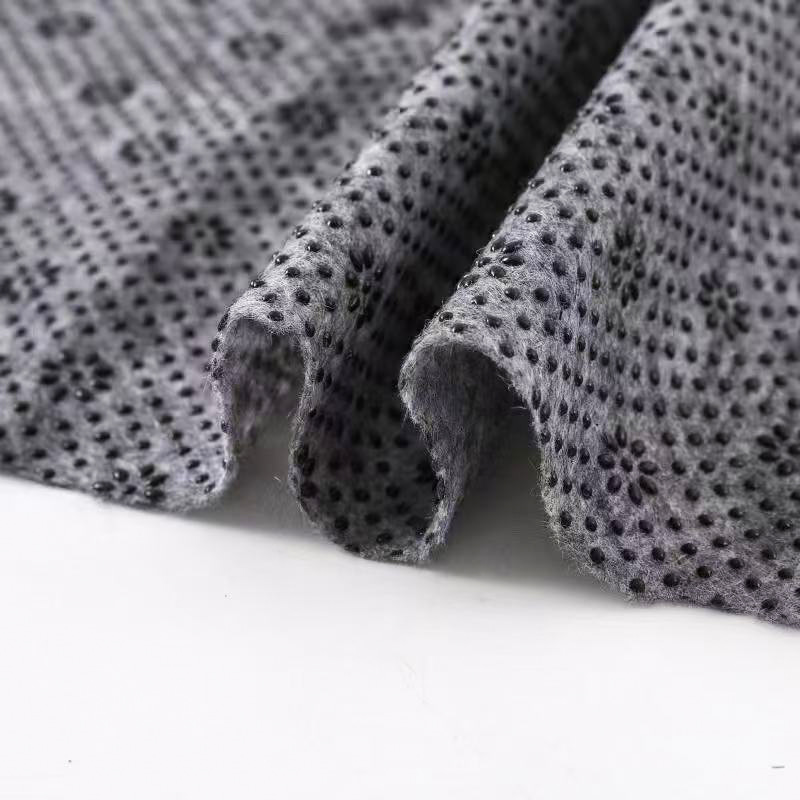
Industry Knowledge
Surface Engineering and Friction Coefficient Optimization in Anti Slip Nonwoven Fabric
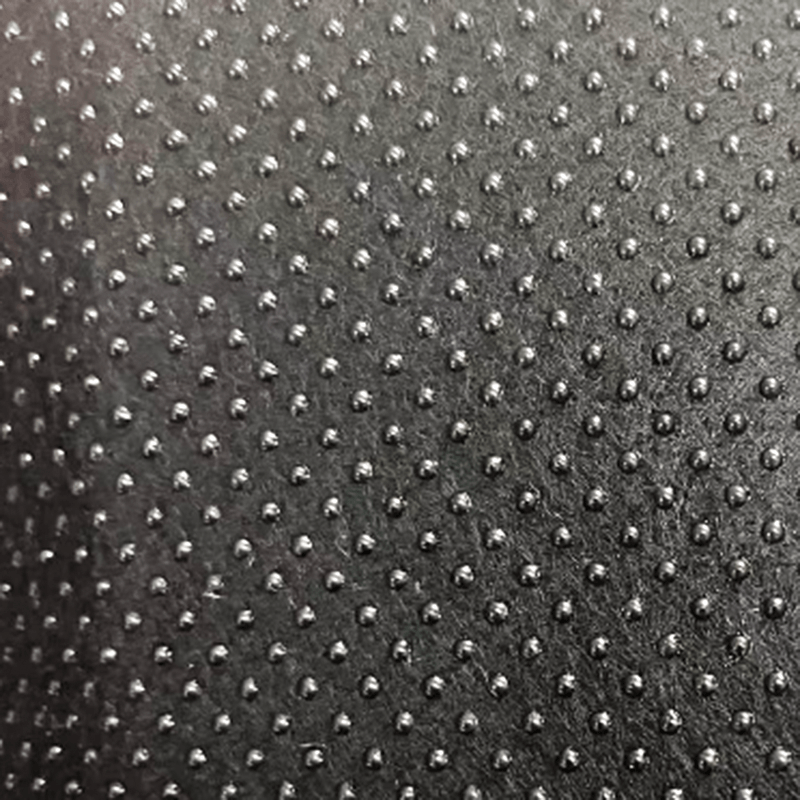
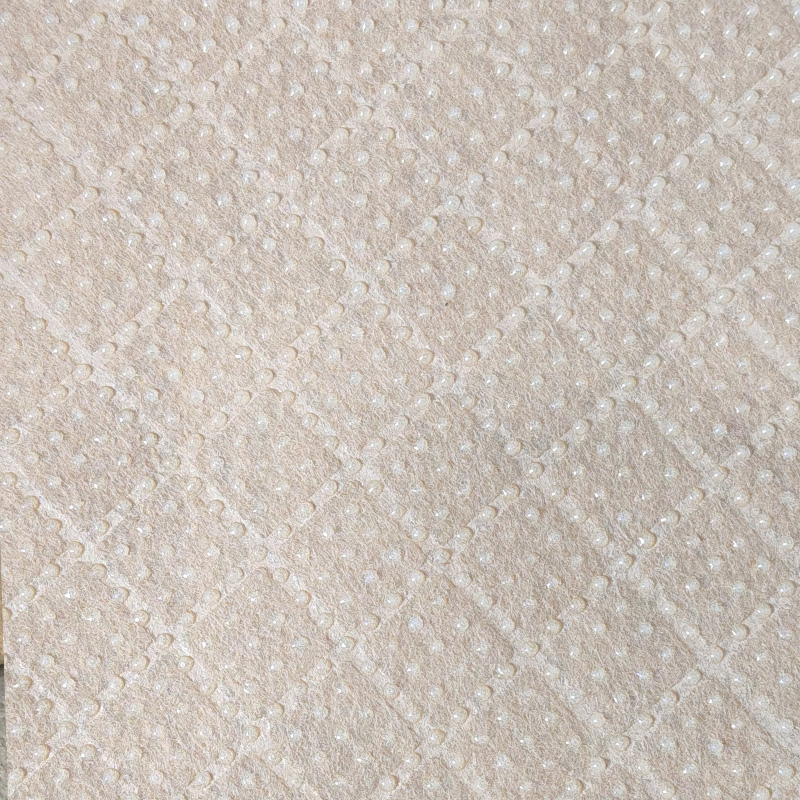
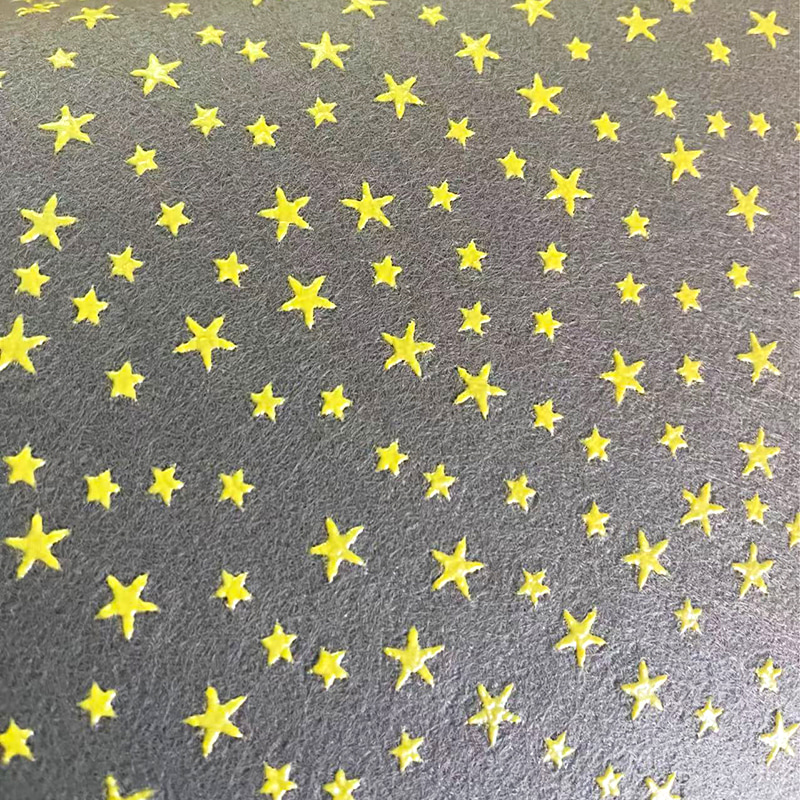
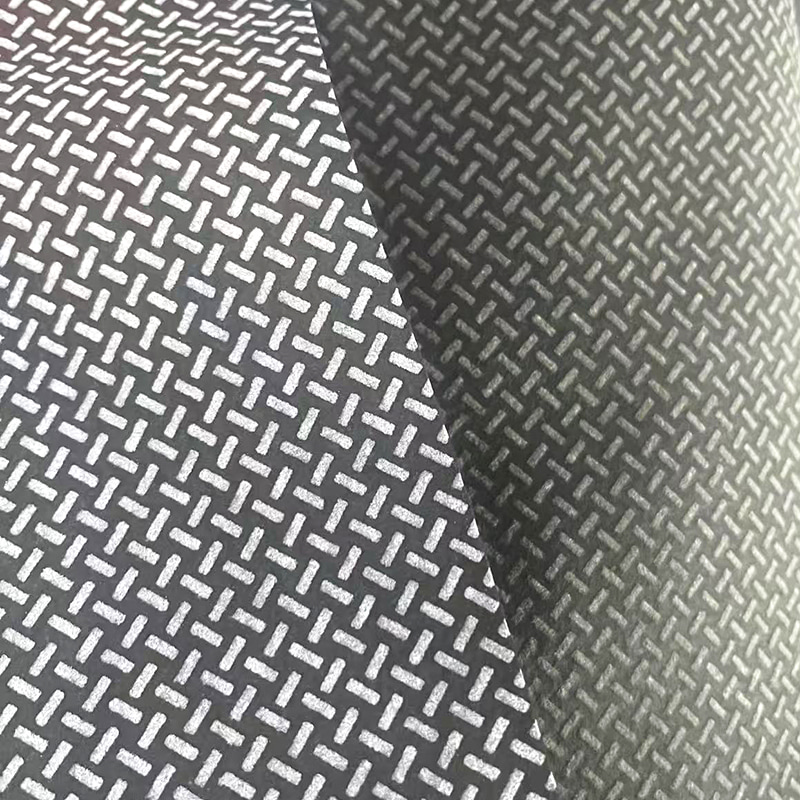
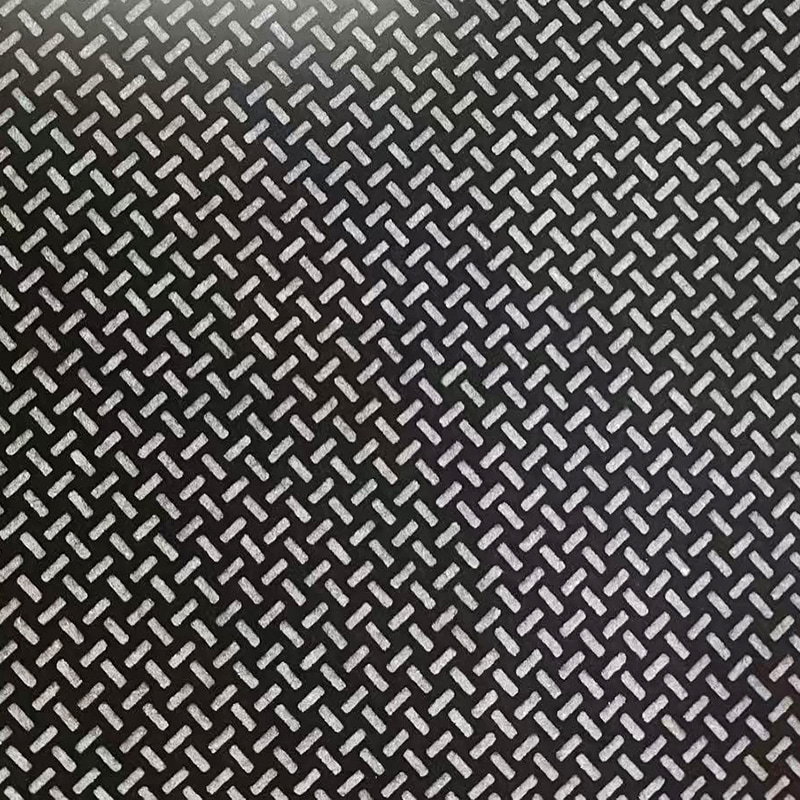
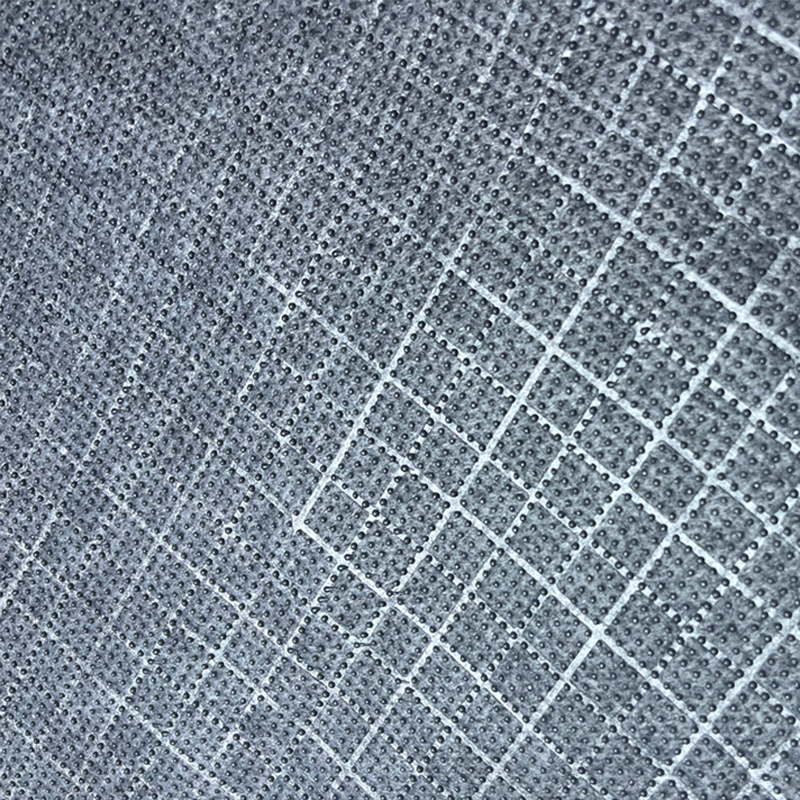
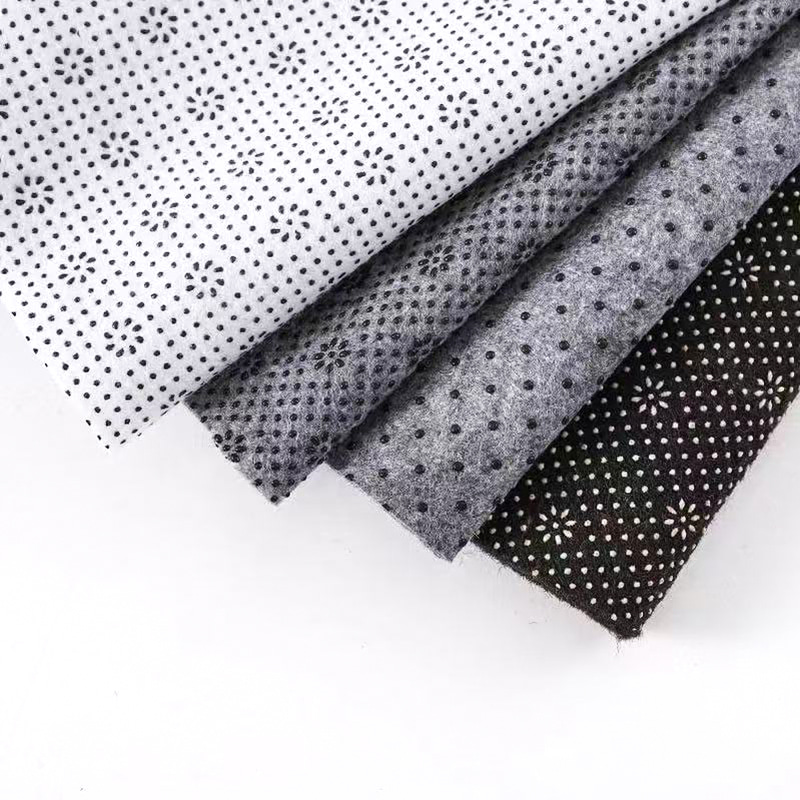
The functional efficacy of Anti Slip Nonwoven Fabric is fundamentally dictated by the engineering of its surface topography and the chemical composition of its grip-enhancing coatings. Achieving a high Coefficient of Friction (COF) requires moving beyond simple surface roughness; it involves manipulating the viscoelastic properties of the applied coatings, such as natural latex, styrene-butadiene rubber (SBR), or polyurethane dispersions. When these coatings are applied in precise dot, grid, or continuous wave patterns, they create micro-suction cups and mechanical interlocking points that dissipate kinetic energy. The practical challenge lies in balancing the initial tack (stickiness) with the long-term shear strength, ensuring the fabric grips the underlying substrate firmly without leaving adhesive residues or degrading when subjected to continuous dynamic loading.
Mechanical Anchoring and Shear Resistance in Anti-Slip Needle-Punched Non-Woven Fabric
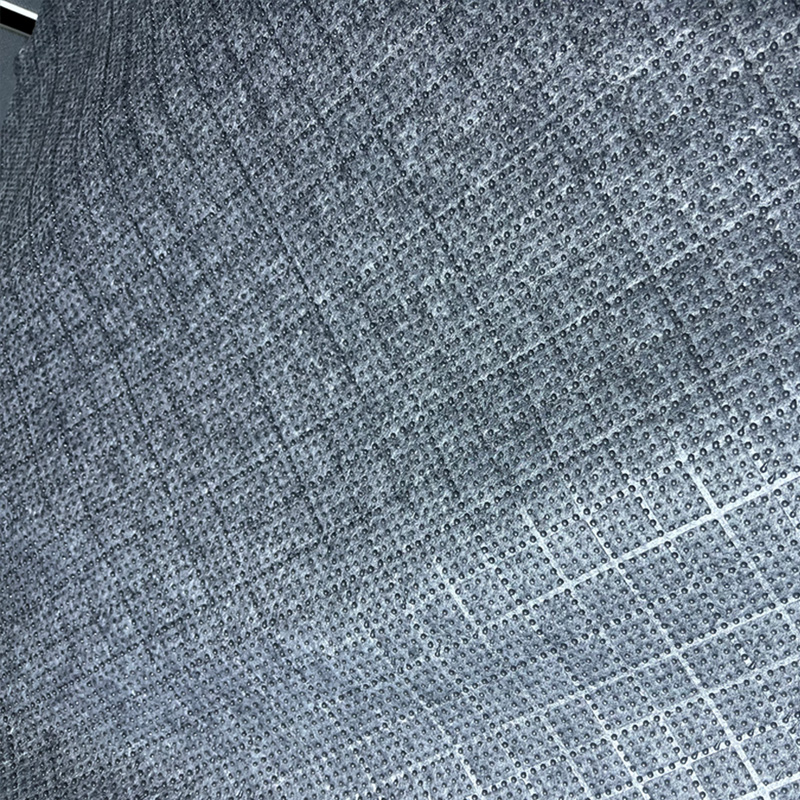
In heavy-duty applications, the structural integration of the anti-slip layer is just as critical as the coating itself. Anti-Slip Needle-Punched Non-Woven Fabric leverages the inherent porosity and z-axis fiber entanglement of the needle-punching process to create a superior mechanical anchor for the grip coating. Unlike spunbond or film-based substrates where coatings merely sit on the surface and are prone to peeling, the liquid anti-slip dispersion penetrates the fibrous matrix of the needle-punched web. Upon curing, this creates a robust "shear key" effect, locking the coating mechanically within the fabric's structure. This structural synergy is highly constructive for automotive trunk liners and industrial rug pads, where the material must withstand extreme shear forces and heavy point-loads without the anti-slip layer flaking or delaminating over time.
Overcoming Plasticizer Migration and Environmental Degradation
A highly practical and often overlooked challenge in deploying anti-slip nonwovens is plasticizer migration, particularly when the fabric is used in conjunction with vinyl, PVC, or synthetic leather surfaces. Over time, the plasticizers used to keep these substrates flexible can migrate into the anti-slip coating, causing it to swell, soften, and ultimately lose its frictional grip. To counteract this, advanced formulations utilize cross-linked polymers or specialized barrier layers within the coating matrix that are chemically resistant to plasticizer absorption. Furthermore, ensuring the anti-slip fabric maintains its performance under thermal cycling and high humidity is vital for applications like automotive interiors, where cabin temperatures can exceed 80°C, potentially causing standard latex coatings to revert to a tacky, ineffective state.
Commitment to Quality and Sustainable Manufacturing Excellence
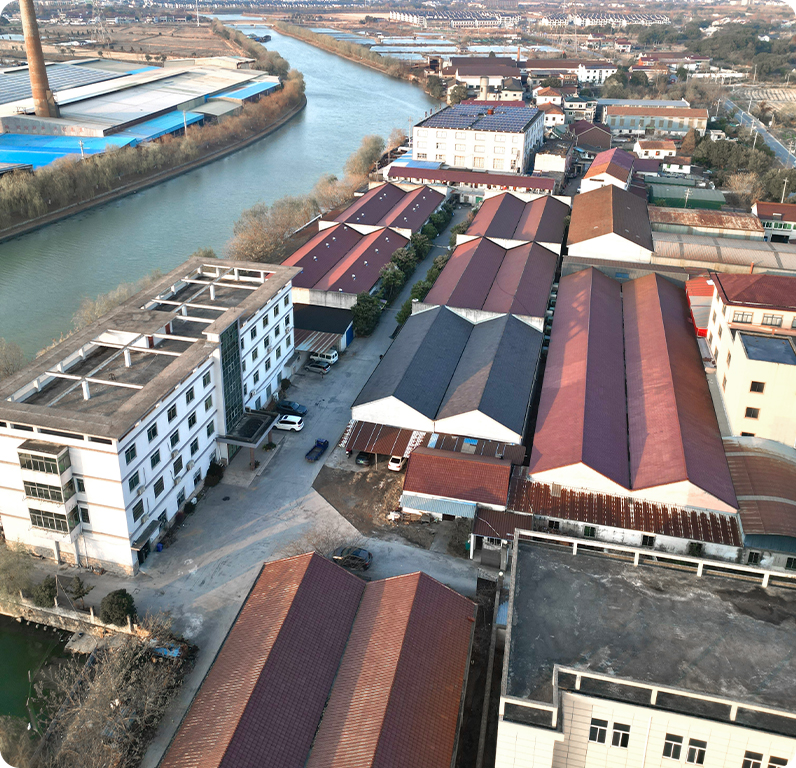
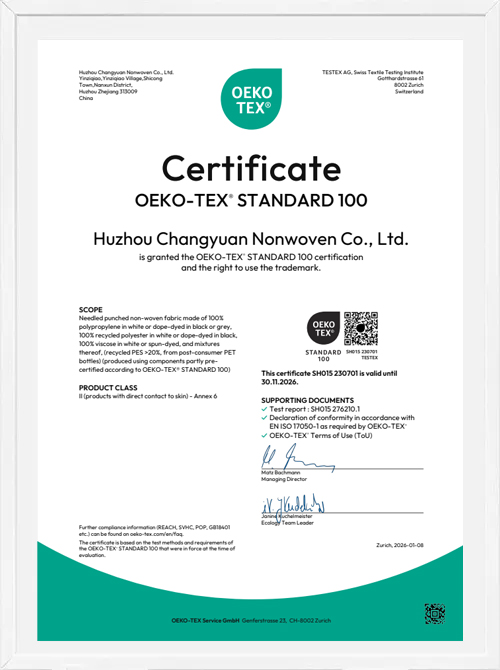
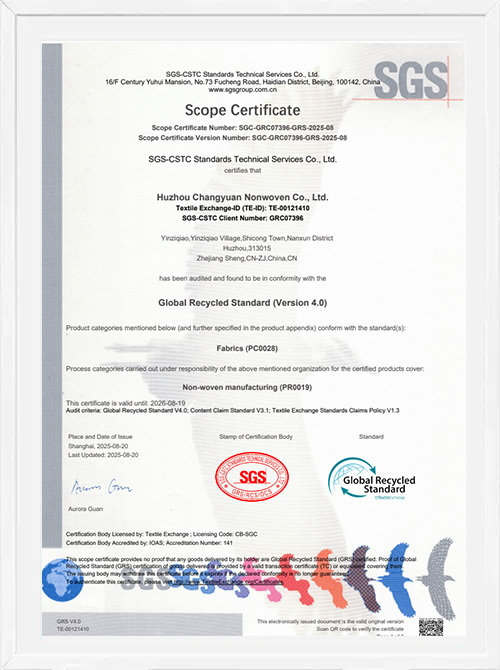
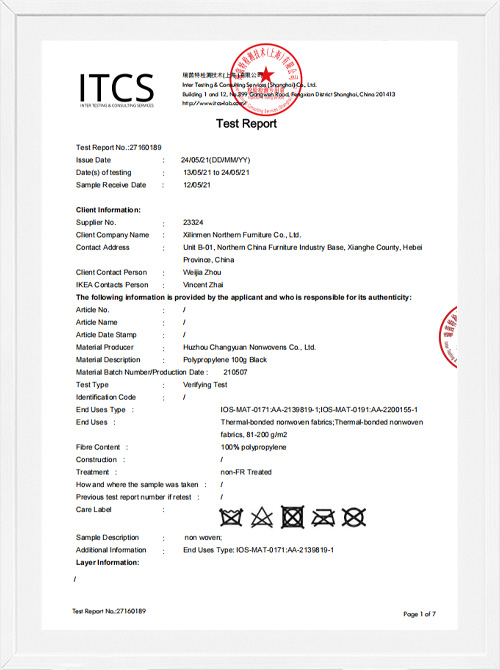
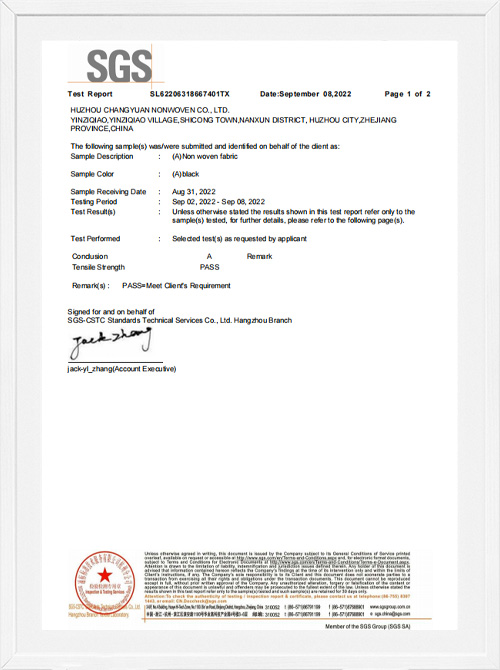
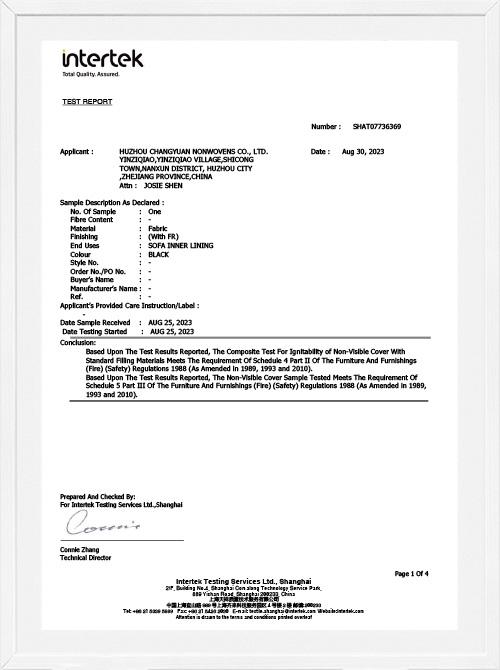
Huzhou Changyuan Nonwoven Co., Ltd. is situated in Zhejiang Province, with close proximity to Shanghai Port—an advantage that ensures efficient cargo delivery. We specialize in the research, development, production and marketing of high-quality needle-punched nonwovens. Our products boast a broad application scope, covering sofa/mattress linings, carpets, automotive interior fabrics, geotextiles, and cleaning products. They also include medical-grade nonwovens, and are further suitable for filtration, agricultural uses, and beyond. Our materials have earned GRS(Global Recycled Standard) and OEKO-TEX® certifications, upholding quality and sustainability. We warmly welcome domestic and foreign partners for win-win collaboration.
Critical Evaluation Metrics for Anti-Slip Performance
- Dynamic Coefficient of Friction (DCOF): Measures the slip resistance under moving loads, providing a realistic assessment of how the fabric performs when subjected to lateral forces rather than just static weight.
- Coating Peel Adhesion Strength: Evaluates the mechanical bond between the anti-slip layer and the nonwoven substrate, ensuring the coating will not delaminate under heavy shear stress or repeated flexing.
- Thermal Reversion and Aging: Assesses the physical stability of the anti-slip coating after prolonged exposure to elevated temperatures, verifying that it does not become permanently deformed, brittle, or excessively tacky.
- Substrate Compatibility and Staining: Ensures that the chemical composition of the anti-slip coating does not cause discoloration, chemical etching, or residue transfer when in prolonged contact with sensitive flooring or delicate surfaces.
| Application Sector | Primary Anti-Slip Mechanism | Key Performance Requirement |
|---|---|---|
| Carpet Underlay & Rug Pads | High-surface-area SBR latex dot coating | Floor compatibility, non-staining, high initial tack |
| Automotive Cargo Liners | Deep-penetrating polyurethane shear keys | Thermal stability, plasticizer resistance, high load bearing |
| Medical & Bedding Grippers | Breathable, flexible silicone or acrylic micro-dots | OEKO-TEX® certified, skin-safe, washability durability |
 Tel: +86 15700112297
  WhatApp: +86 15700112297
  E-mail:
  Yinziqiao Village, Shicong Town, Nanxun District, Huzhou City, Zhejiang Province, China