Industry Knowledge
How Fiber Layering Influences the Durability of Composite Structures
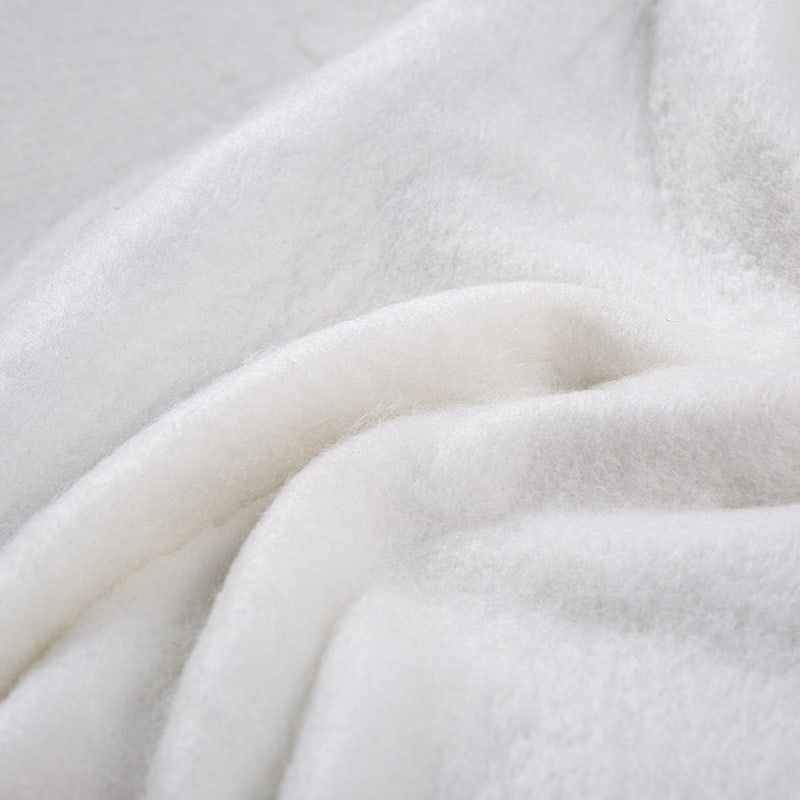
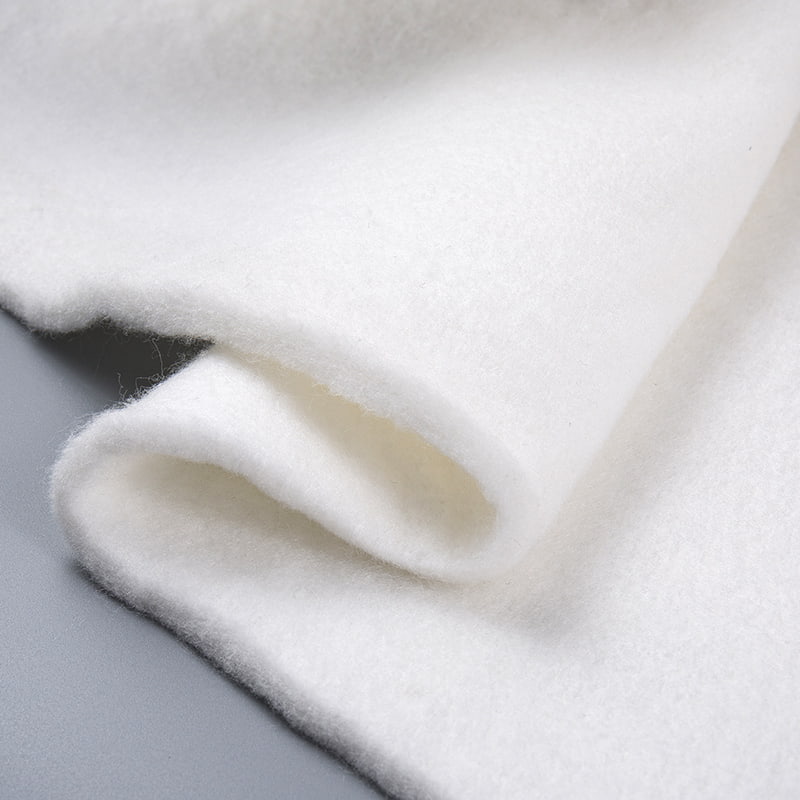
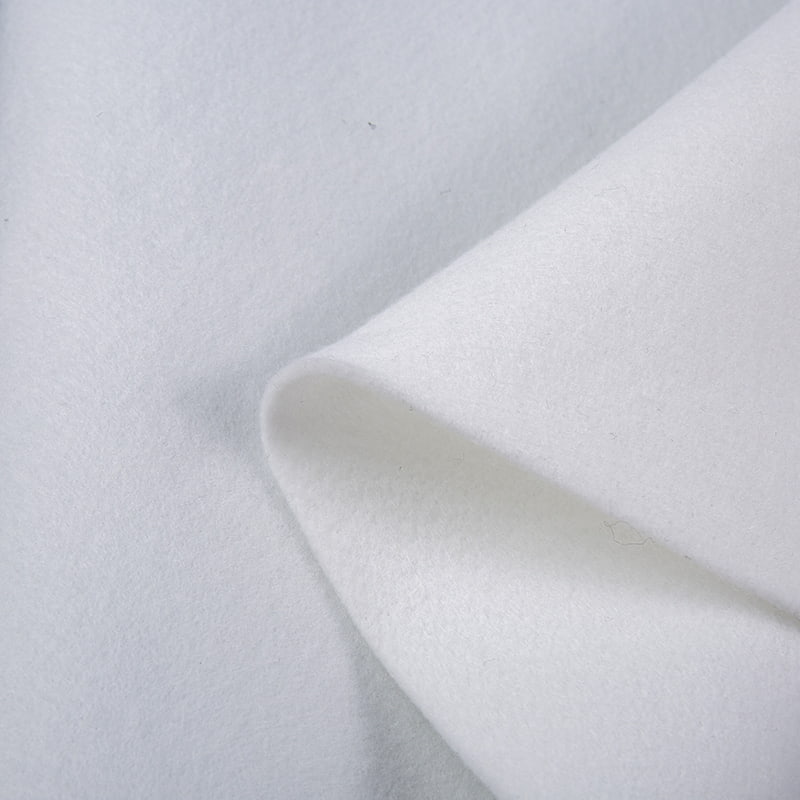
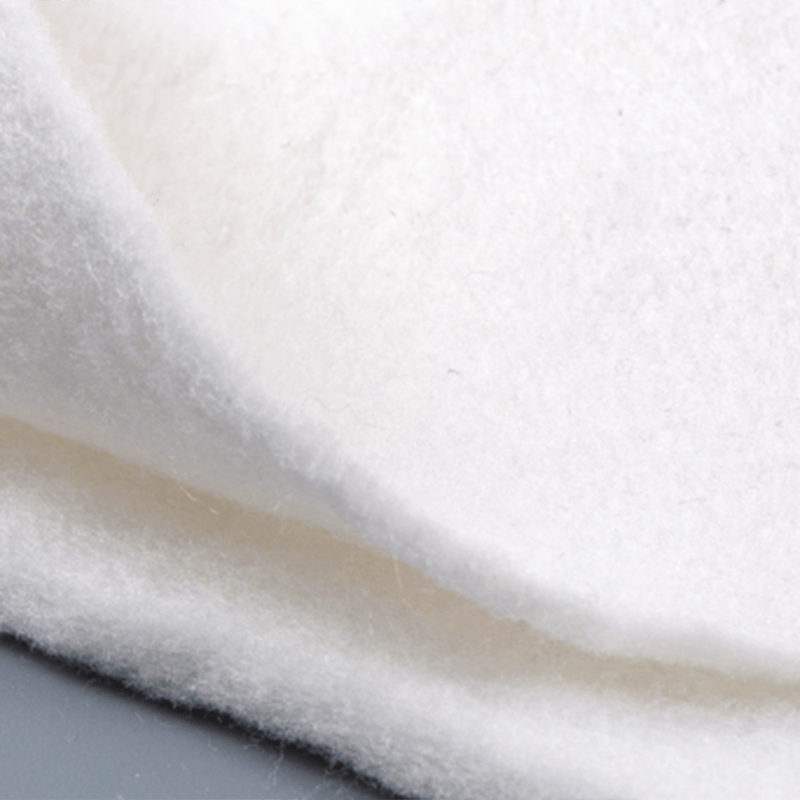
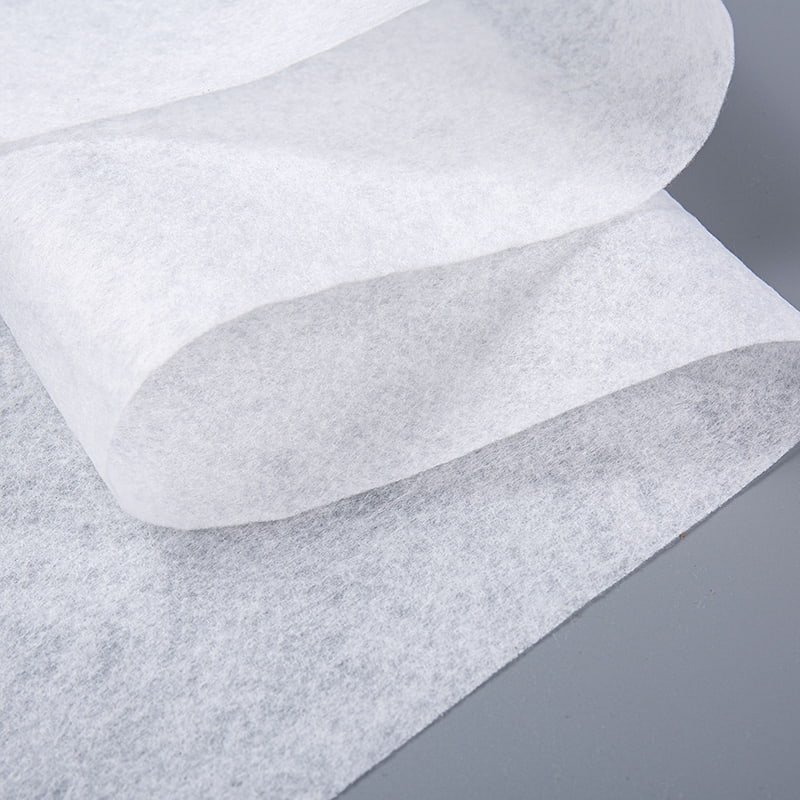
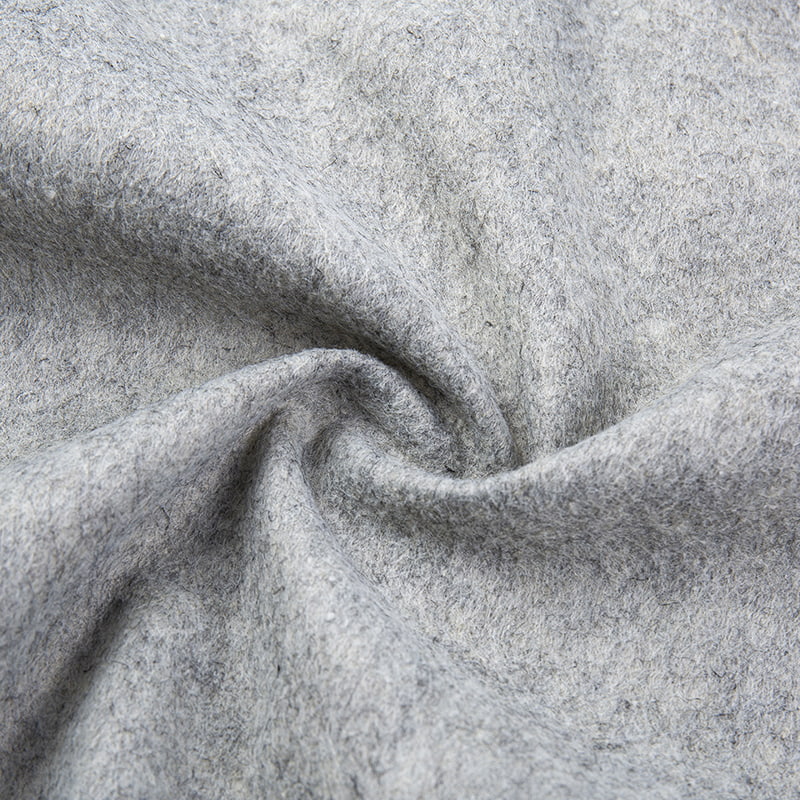
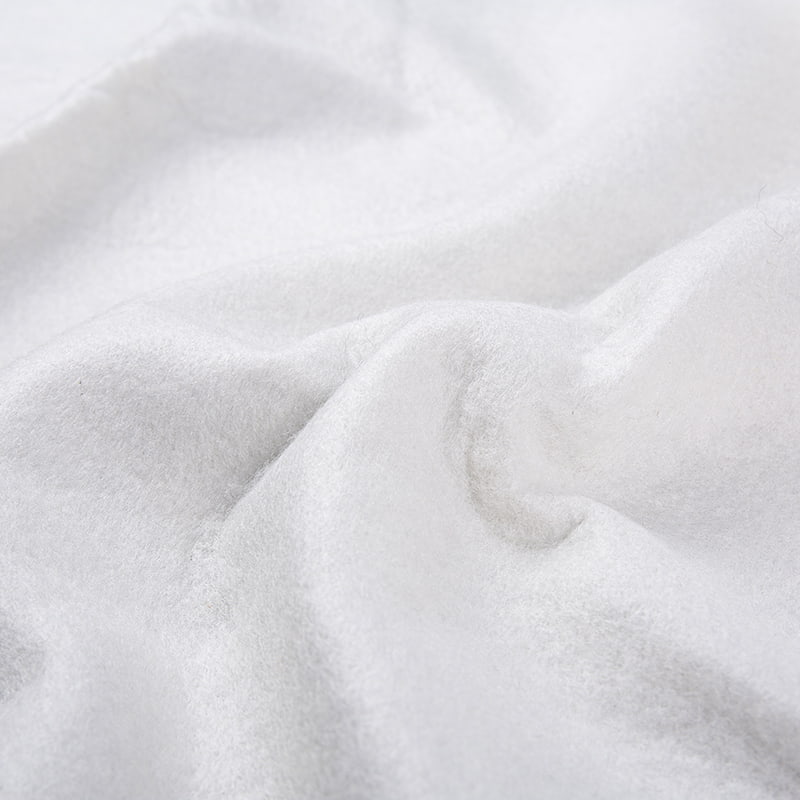
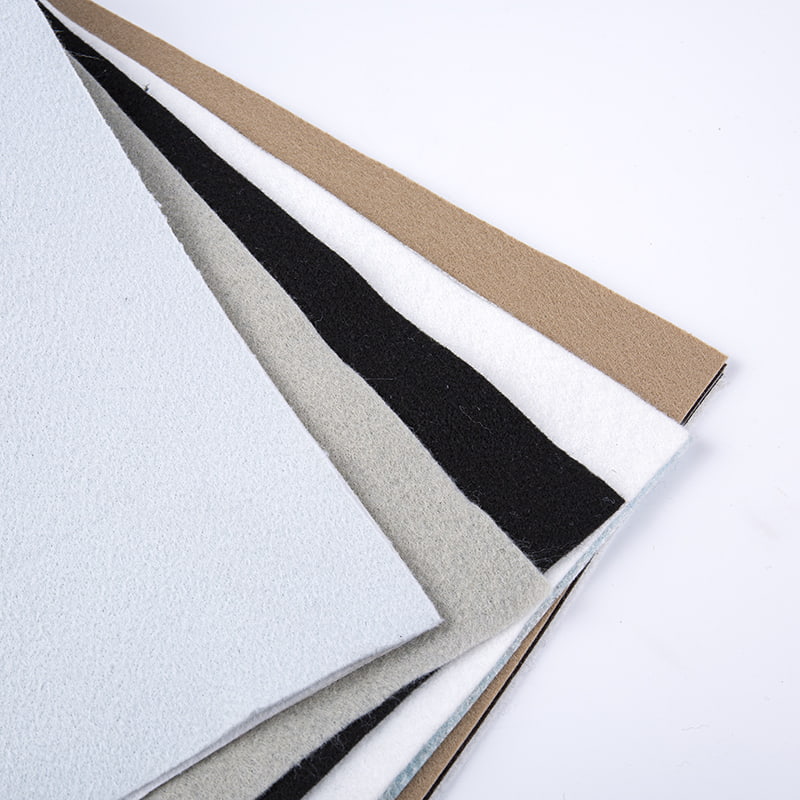
In industrial applications, the performance of a Needle-Punched Non-Woven Composite Material is closely associated with the arrangement and density of individual fiber layers. Instead of relying solely on chemical bonding, mechanical entanglement created during the needle-punching process forms a stable three-dimensional structure capable of distributing stress across the entire material. This characteristic reduces localized deformation and minimizes the risk of tearing under repeated mechanical loads. In flooring substrates, automotive panels, and filtration media, layered composite structures are frequently optimized to provide a balance between flexibility and dimensional stability.
Relationship Between Fiber Density and Impact Resistance
Increasing needle penetration density can significantly improve impact resistance. A denser entanglement network absorbs external energy more effectively and limits fiber displacement during compression. Engineers often adjust fiber fineness and layer thickness according to the final application requirements. This approach enables composite fabrics to maintain their structural integrity even when subjected to continuous vibration or sudden impacts.
Surface Engineering Techniques for Wear-Resistant Applications
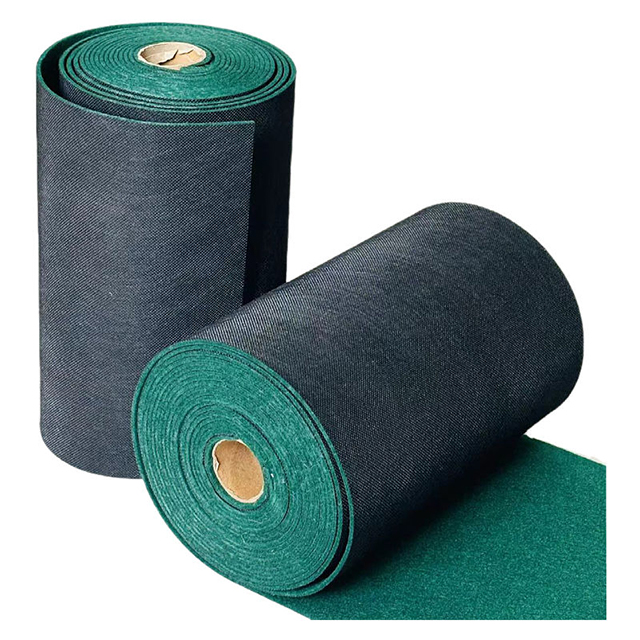
The service life of Wear-Resistant Needle-Punched Non-Woven Composite Fabric depends not only on raw material selection but also on surface finishing technologies. Thermal calendering, resin impregnation, and laminated protective layers are commonly applied to increase abrasion resistance and improve surface smoothness. These treatments help reduce fiber shedding and maintain consistent performance under conditions involving repetitive friction.
- Heat-setting treatment improves dimensional stability and minimizes shrinkage.
- Resin reinforcement enhances surface hardness and resistance to wear.
- Composite lamination provides additional protection against moisture and contaminants.
- Calendering processes improve appearance and reduce lint generation.
Mechanical Properties Required for High-Friction Environments
Applications such as automotive interiors, conveyor systems, and protective linings expose materials to continuous friction and cyclic stress. A properly designed Needle-Punched Non-Woven Composite Material can maintain tensile strength and elongation characteristics even after prolonged use. By selecting polyester, polypropylene, or recycled PET fibers with different melting points, manufacturers can optimize bonding efficiency and improve fatigue resistance.
Wear-Resistant Needle-Punched Non-Woven Composite Fabric is particularly suitable for environments where dimensional stability and abrasion resistance are equally important. Compared with conventional woven structures, needle-punched composites provide more uniform stress distribution, which helps extend service life and reduce maintenance frequency.
Comparison of Common Fiber Systems Used in Composite Fabrics
Different fiber combinations produce distinct performance characteristics. Material selection should consider operating temperature, wear intensity, flexibility requirements, and environmental conditions.
| Fiber System |
Major Advantage |
Typical Application |
Abrasion Resistance |
| Polyester |
High strength and dimensional stability |
Automotive interiors |
Excellent |
| Polypropylene |
Low density and chemical resistance |
Industrial insulation |
Good |
| Recycled PET |
Environmental sustainability |
Carpets and geotextiles |
Very Good |
| Hybrid Fiber Blend |
Balanced mechanical properties |
Composite linings |
Excellent |
Sustainability Trends and Supply Chain Advantages
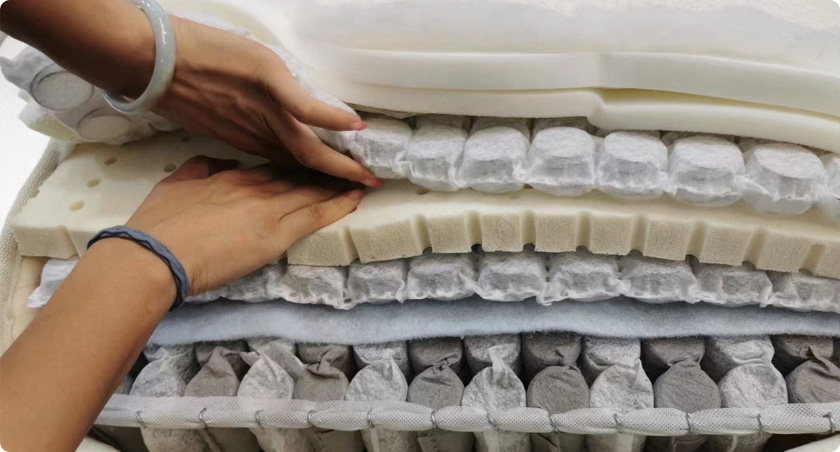
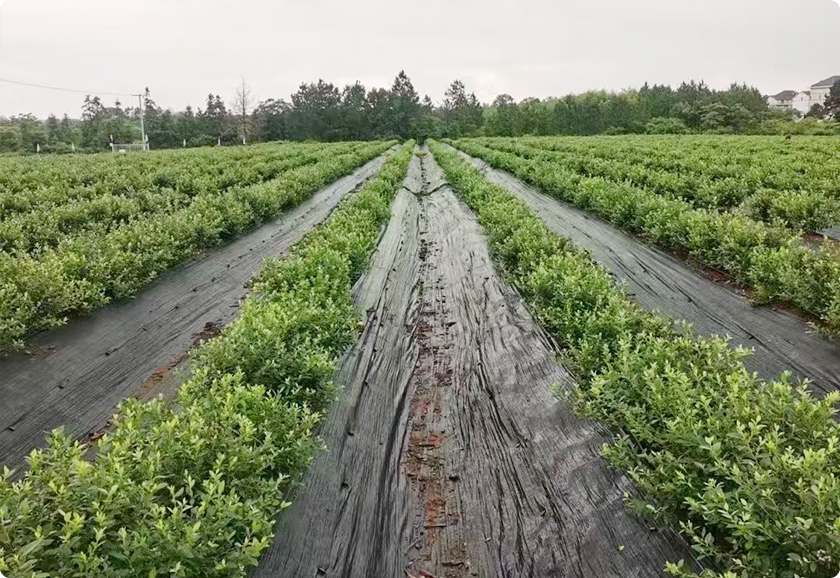
As environmental regulations become increasingly stringent, manufacturers are focusing on recycled raw materials and cleaner production processes. Huzhou Changyuan Nonwoven Co., Ltd. is situated in Zhejiang Province, with close proximity to Shanghai Port—an advantage that ensures efficient cargo delivery. The company specializes in the research, development, production and marketing of high-quality needle-punched nonwovens. Its products are widely used in sofa and mattress linings, carpets, automotive interior fabrics, geotextiles, cleaning products, medical materials, filtration systems, and agricultural applications.
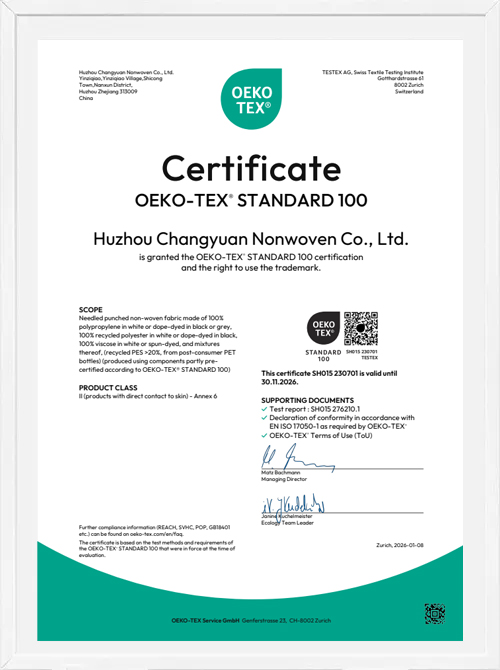
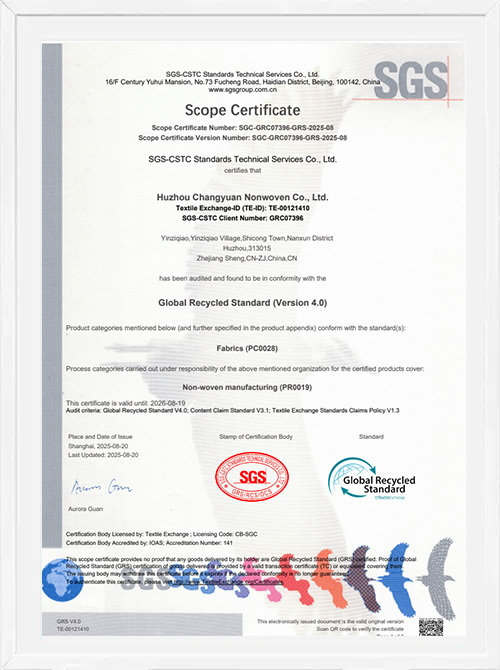
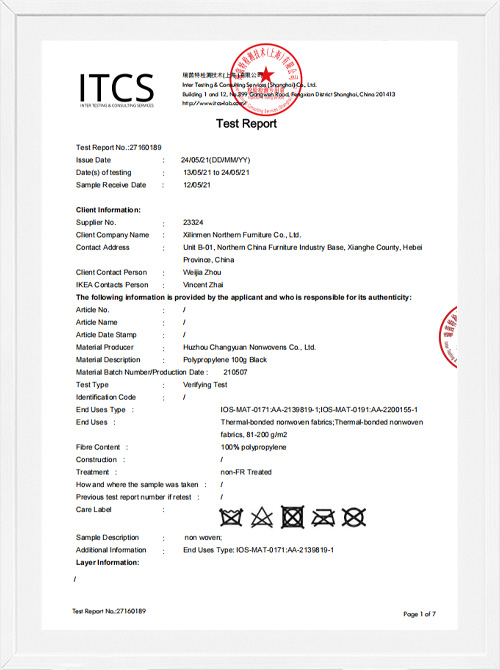
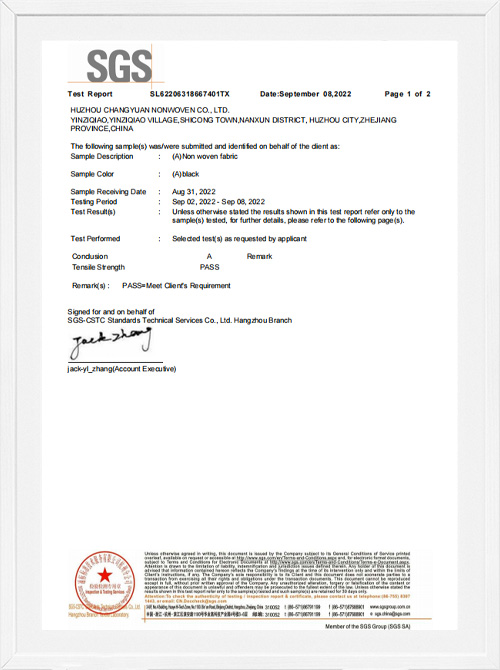
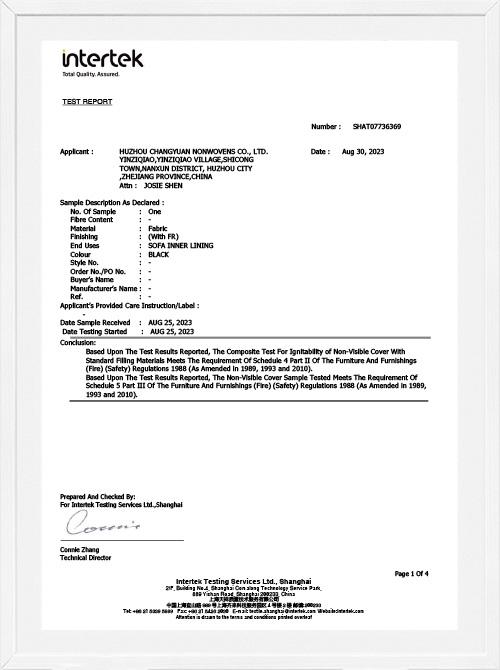
The materials produced by Huzhou Changyuan Nonwoven Co., Ltd. have obtained GRS (Global Recycled Standard) and OEKO-TEX® certifications, demonstrating compliance with international quality and sustainability requirements. These certifications provide customers with greater confidence when selecting advanced composite materials for projects requiring environmental responsibility and long-term performance.
Practical Factors Affecting Service Life
The actual lifespan of a Wear-Resistant Needle-Punched Non-Woven Composite Fabric depends on several external factors, including operating temperature, humidity, UV exposure, and cleaning methods. Periodic inspection and appropriate maintenance can significantly extend product life and preserve mechanical performance. In demanding environments, selecting a composite structure with reinforced surfaces and optimized fiber blends helps reduce downtime and replacement costs.
For industries seeking a combination of durability, sustainability, and versatile application performance, modern Needle-Punched Non-Woven Composite Material technologies continue to provide practical solutions that meet increasingly sophisticated engineering requirements.
```


 English
 中文简体
中文简体 Furniture
 Carpet
 Automotive
 Composite
 Geosynthetics
 Medical
 Filtration
 Cleaning Supplies
 Building Industry
 Agricultural Use
 Consumer Goods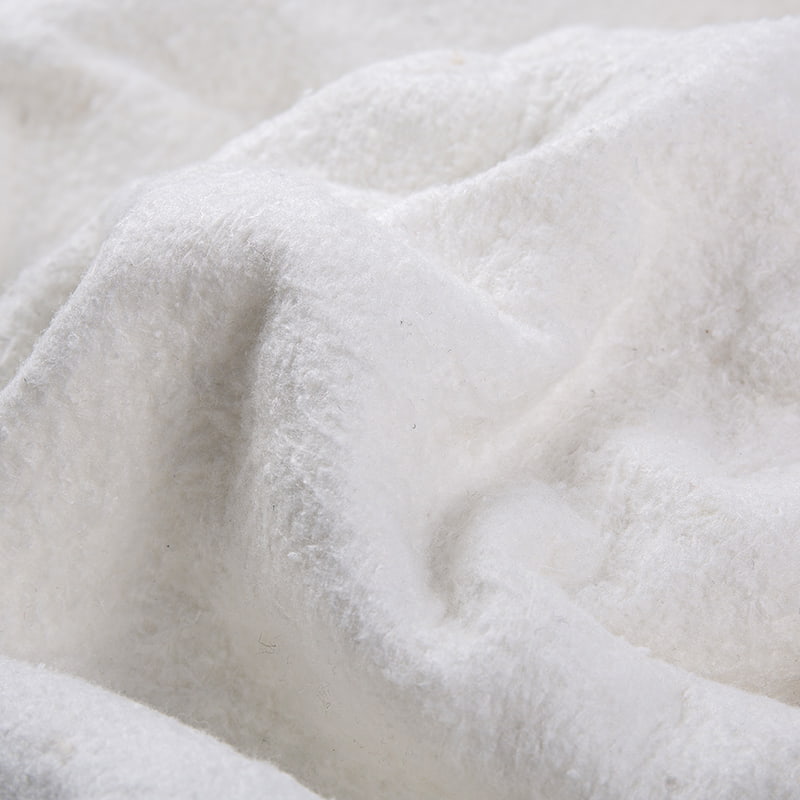
 Hybrid Material Integration
 Abrasion Resistance
  Customized Thickness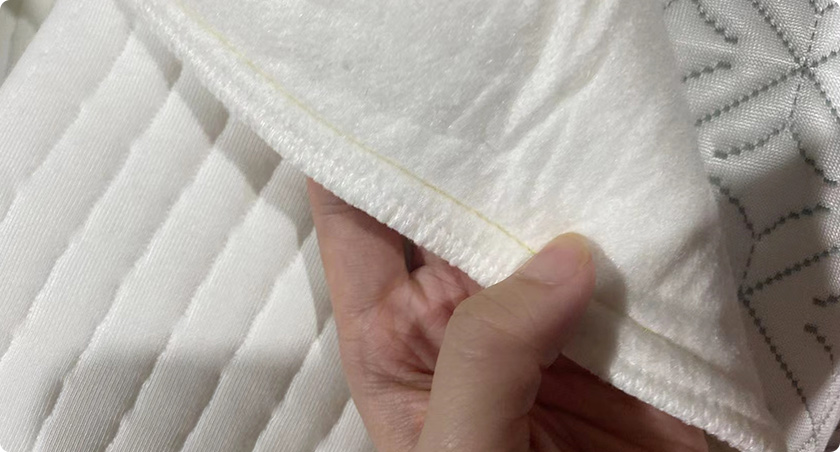
 Tel: +86 15700112297
  WhatApp: +86 15700112297
  E-mail:
  Yinziqiao Village, Shicong Town, Nanxun District, Huzhou City, Zhejiang Province, China