Industry Knowledge
Structural Mechanics and Barrier Efficacy in Clinical Environments
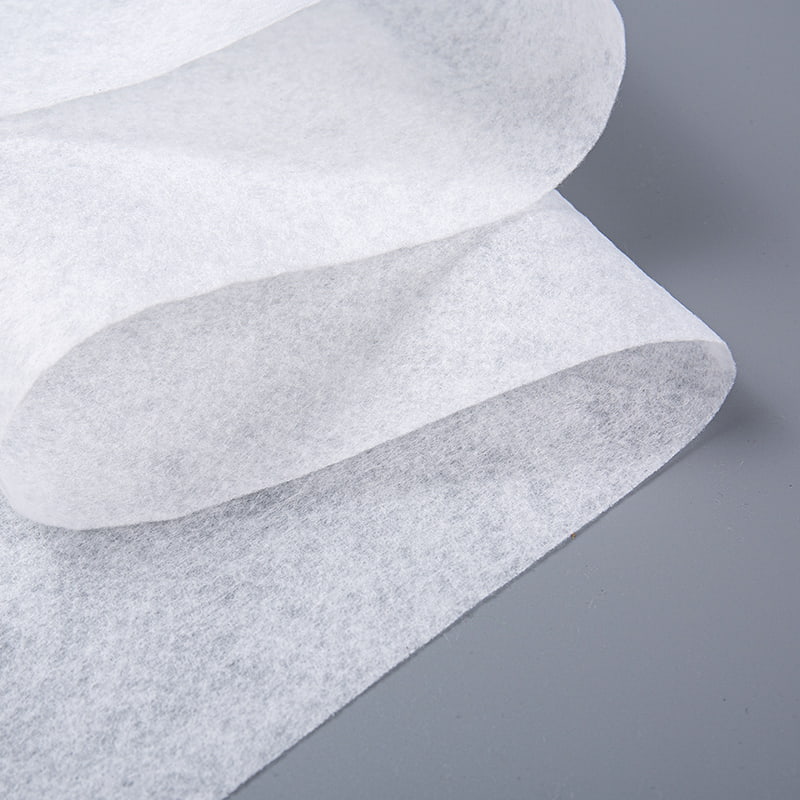
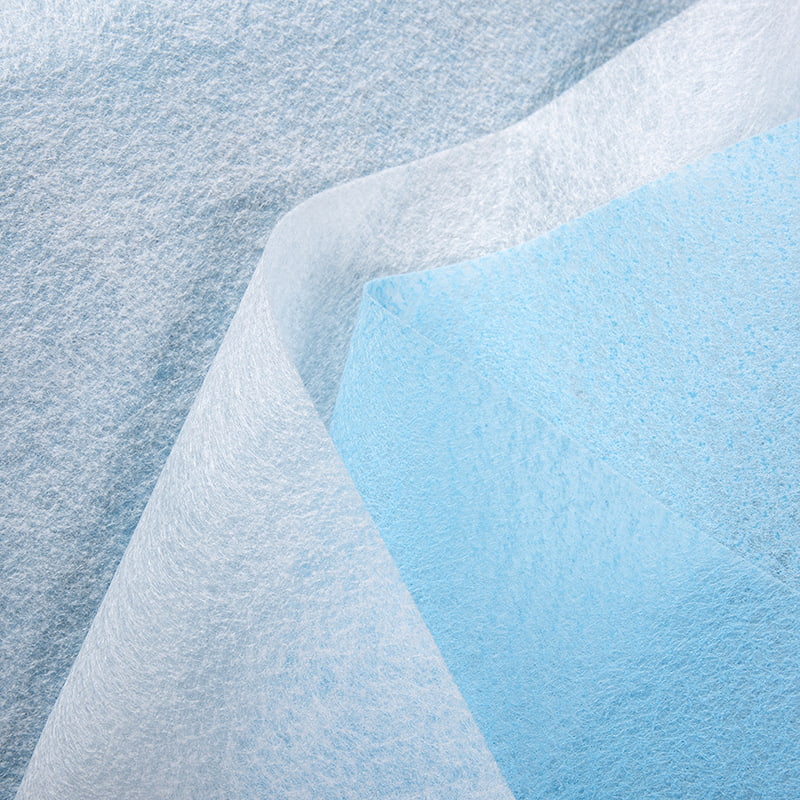
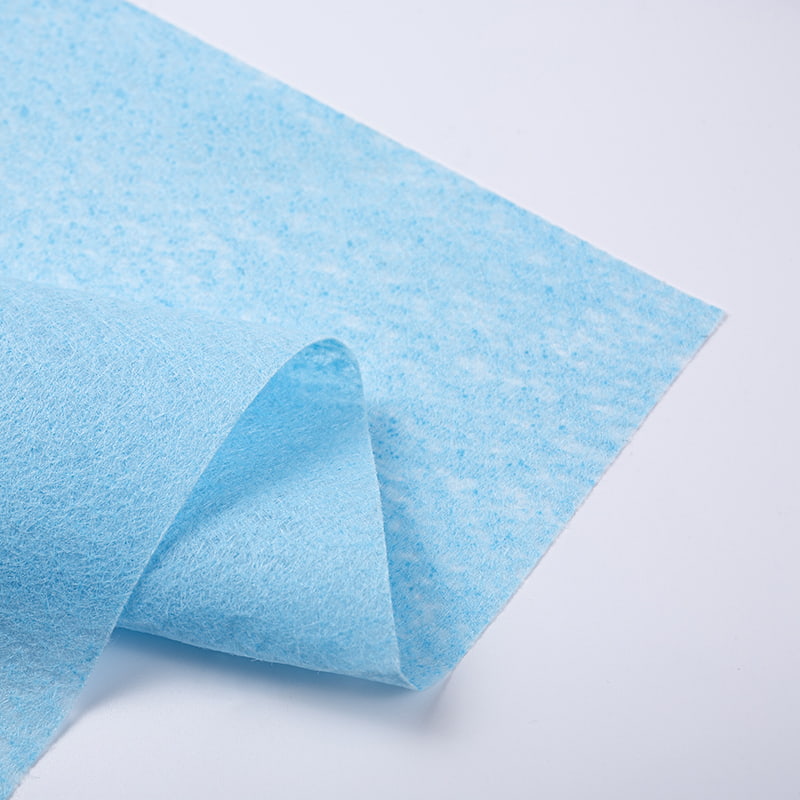
The fundamental efficacy of Medical Needle-Punch Nonwoven Fabrics in infection control relies on the precise manipulation of fiber entanglement to create a highly tortuous path for microorganisms. Unlike spunbond or meltblown structures that rely on continuous filaments or ultra-fine microfibers, the needle-punching process mechanically interlocks staple fibers using thousands of barbed needles. This creates a robust three-dimensional matrix with highly controlled pore size distribution. By calibrating the needle density, penetration depth, and fiber denier, manufacturers can engineer the fabric to achieve specific Bacterial Filtration Efficiency (BFE) and Particulate Filtration Efficiency (PFE) ratings. This physical barrier mechanism ensures that airborne pathogens and liquid-borne microbes are trapped within the fiber web without significantly impeding the breathability required for patient and healthcare worker comfort.
Liquid Strike-Through Resistance and Hydrostatic Pressure
In surgical and critical care settings, the resistance to liquid strike-through is a paramount safety metric. Medical Nonwoven Fabrics utilized for surgical gowns and drapes must withstand significant hydrostatic pressure from blood and irrigation fluids. The inherent capillary action of untreated natural or synthetic fibers can lead to rapid fluid wicking. To counter this, advanced needle-punched structures are often subjected to plasma treatments or coated with microscopic hydrophobic polymers. This surface modification alters the contact angle of the fibers, causing liquids to bead up and roll off rather than penetrating the matrix, thereby maintaining a sterile dry zone on the non-critical side of the barrier.
Fluid Management and Absorbency Dynamics in Wound Care
Beyond barrier applications, the fluid management capabilities of these materials are critical for advanced wound care and surgical sponges. The three-dimensional porosity of the needle-punched structure provides an immense surface area for fluid absorption and retention. By blending hydrophilic fibers, such as viscose or specially treated cotton, with structural synthetic fibers like polyester, engineers can create composite nonwovens that exhibit directional fluid transport. This means the material can rapidly wick exudate away from the wound bed into the core of the dressing, preventing maceration of the surrounding healthy tissue while maintaining a optimally moist healing environment.
Sterilization Compatibility and Material Integrity
Medical textiles must endure rigorous sterilization processes before they reach the clinical environment. The structural integrity of the nonwoven matrix must remain uncompromised after exposure to ethylene oxide (EtO) gas, gamma radiation, or autoclave steam. The mechanical bonds formed during the needle-punching process are entirely physical and do not rely on heat-sensitive chemical adhesives that could degrade under radiation. Consequently, these fabrics maintain their tensile strength, burst strength, and lint-free characteristics throughout their shelf life, ensuring that no particulate matter is shed into sterile fields or wound beds during use.
Manufacturing Excellence and Global Supply Chain Reliability
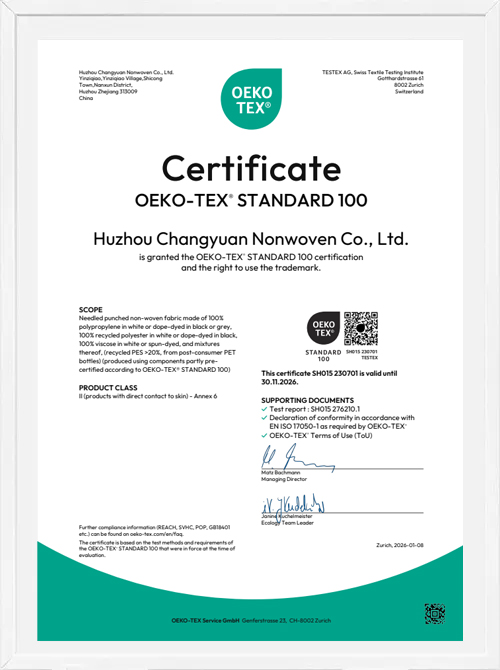
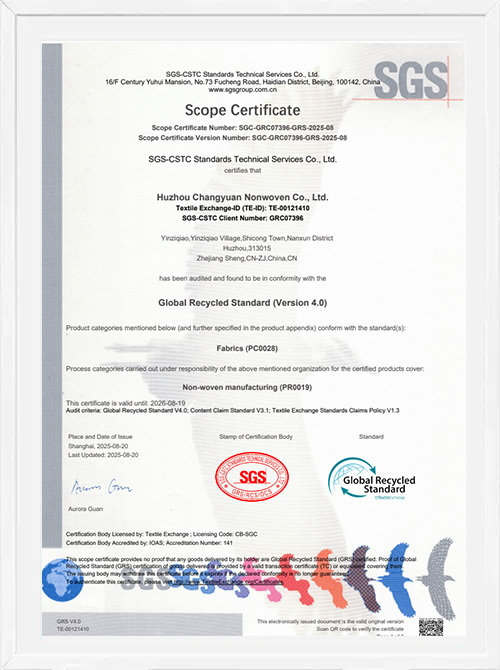
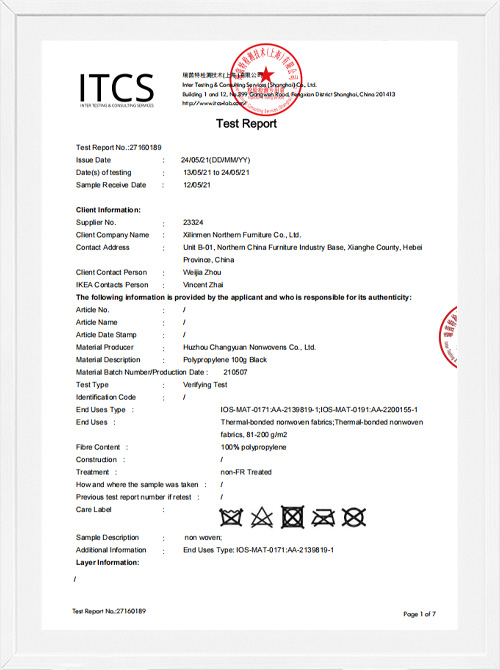
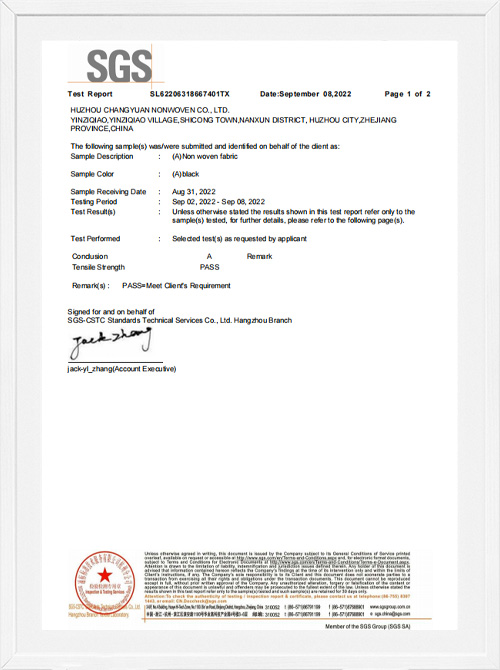
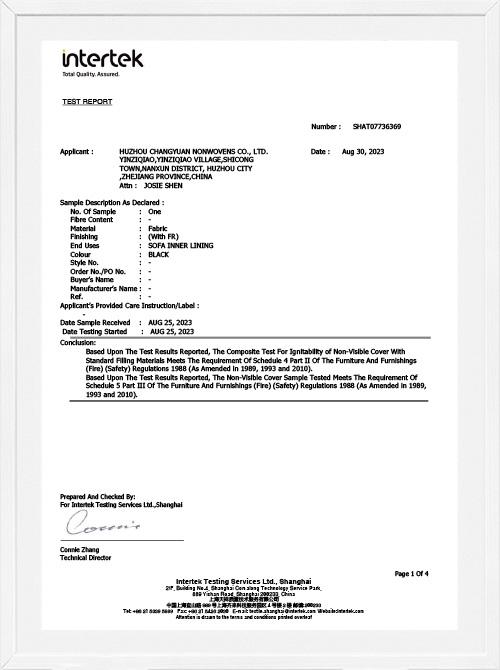
Delivering consistent, high-performance materials for the medical sector requires stringent quality control and a highly efficient logistical framework. Huzhou Changyuan Nonwoven Co., Ltd. is situated in Zhejiang Province, with close proximity to Shanghai Port—an advantage that ensures efficient cargo delivery.We specialize in the research ,development, production and marketing of high-quality needle-punched nonwovens.Our products boast a broad application scope, covering sofa/mattress linings, carpets, automotive interior fabrics, geotextiles, and cleaning products. They also include medical-grade nonwovens, and are further suitable for filtration, agricultural uses, and beyond. Our materials have earned GRS(Global Recycled Standard) and OEKO-TEX® certifications, upholding quality and sustainability. We warmly welcome domestic and foreign partners for win-win collaboration.
Technical Specifications for Clinical and Surgical Applications
Selecting the appropriate nonwoven material for medical applications requires a precise alignment of physical properties with the specific demands of the clinical procedure. The mass per unit area, fiber composition, and finishing treatments dictate the material's performance in terms of barrier protection, absorbency, and patient comfort. The following matrix outlines the typical technical specifications and their corresponding primary applications for various grades of medical-grade needle-punched nonwovens.
| Application Category |
Typical Mass per Unit Area |
Fiber Composition & Treatment |
Critical Performance Metric |
| Surgical Gowns & Drapes |
45 - 70 g/m² |
PET/PP blend with hydrophobic finish |
ISO 535 Liquid Strike-Through Resistance |
| Sterilization Wraps |
60 - 100 g/m² |
100% Hydrophilic PET, multi-layer spunlace/needle-punch |
High Steam Permeability & Microbial Barrier |
| Wound Dressings & Sponges |
80 - 150 g/m² |
Viscose/PET blend, highly porous structure |
High Exudate Absorbency & Low Linting |
| Underpads & Incontinence Products |
100 - 200 g/m² |
Hydrophilic top-sheet, hydrophobic backing |
Rapid Fluid Acquisition & Rewet Prevention |
```


 English
 中文简体
中文简体 Furniture
 Carpet
 Automotive
 Composite
 Geosynthetics
 Medical
 Filtration
 Cleaning Supplies
 Building Industry
 Agricultural Use
 Consumer Goods

 Compliant with Medical Standards
  Tear-resistant and Durable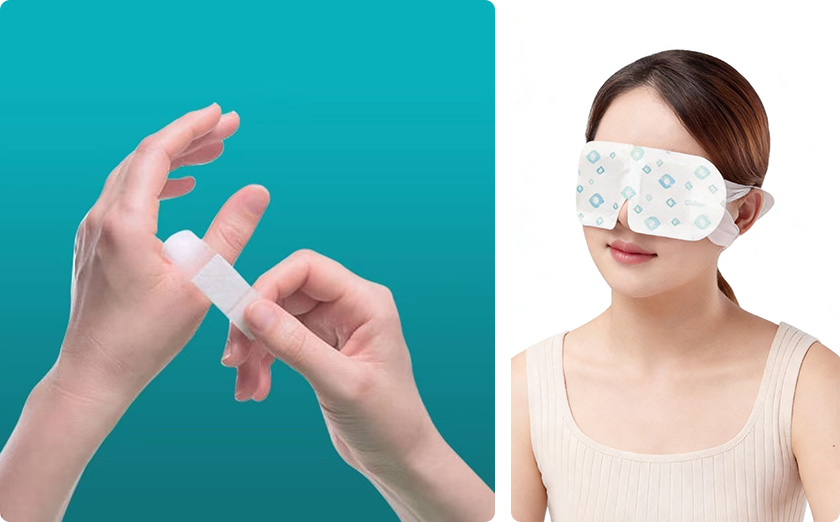
 Tel: +86 15700112297
  WhatApp: +86 15700112297
  E-mail:
  Yinziqiao Village, Shicong Town, Nanxun District, Huzhou City, Zhejiang Province, China