

 English
 中文简体
中文简体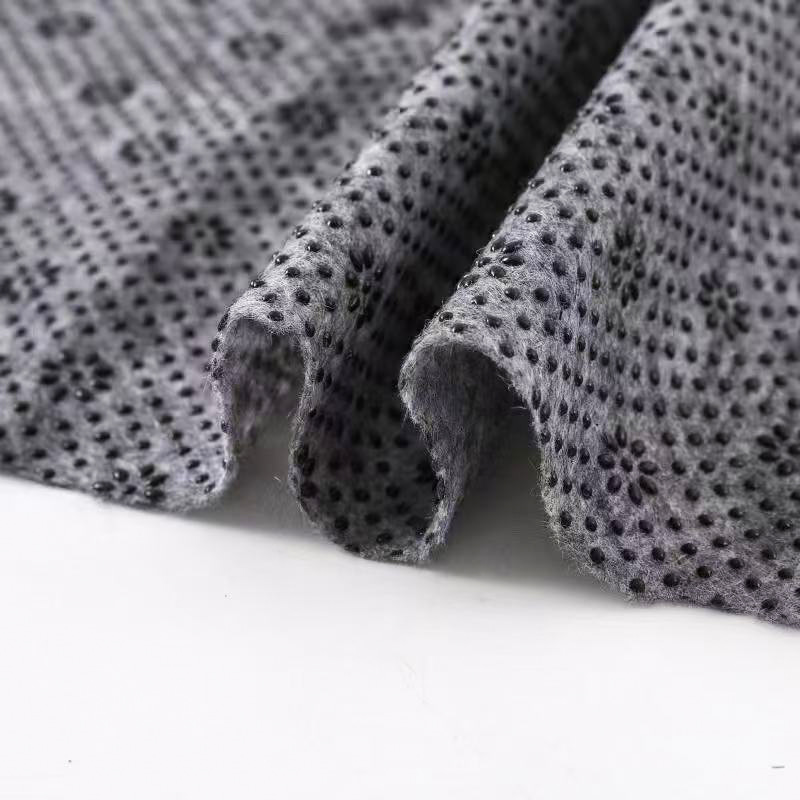
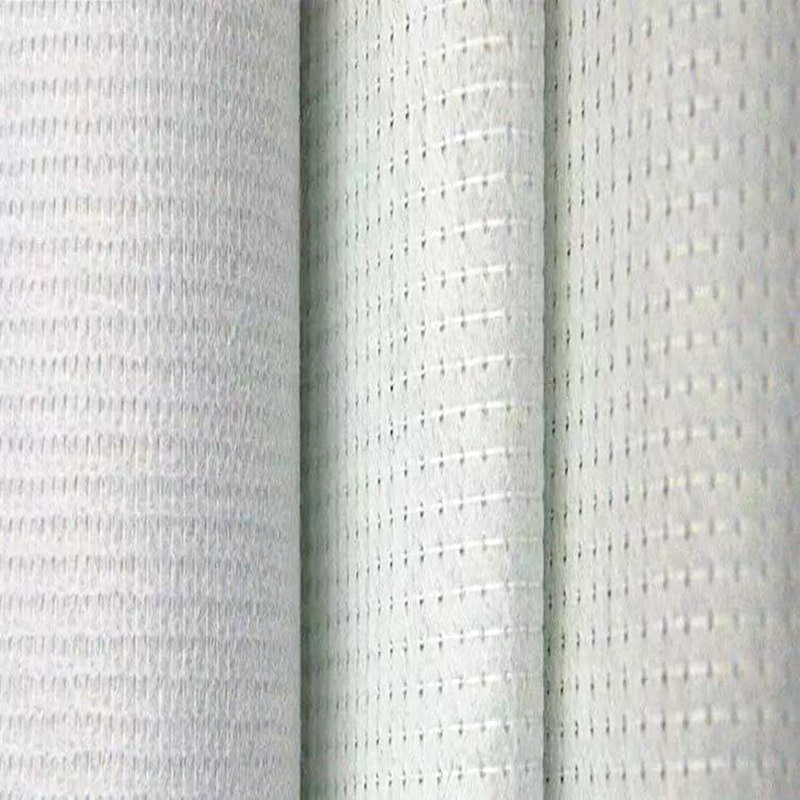
Non woven fabric in medical textiles rarely gets noticed by the patient, and that is exactly the point. A needle-punched web holds a dressing against...
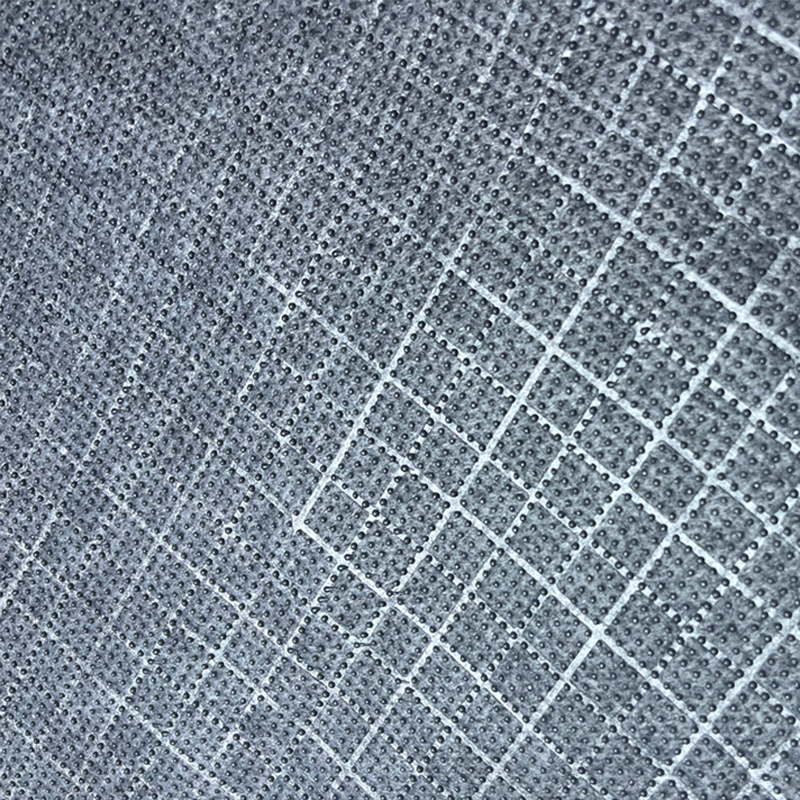
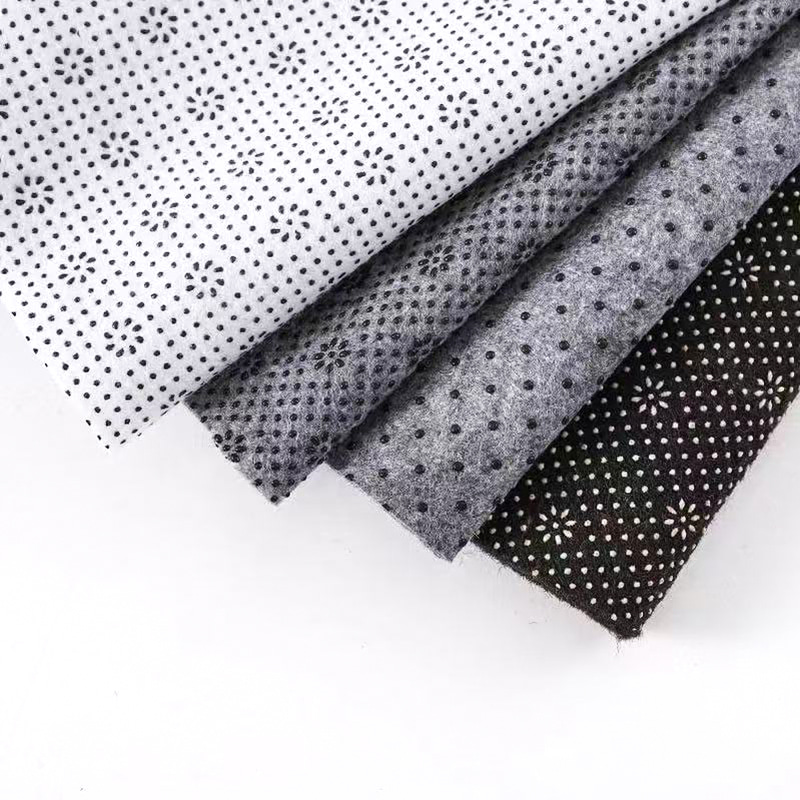
READ MOREAnti-Slip
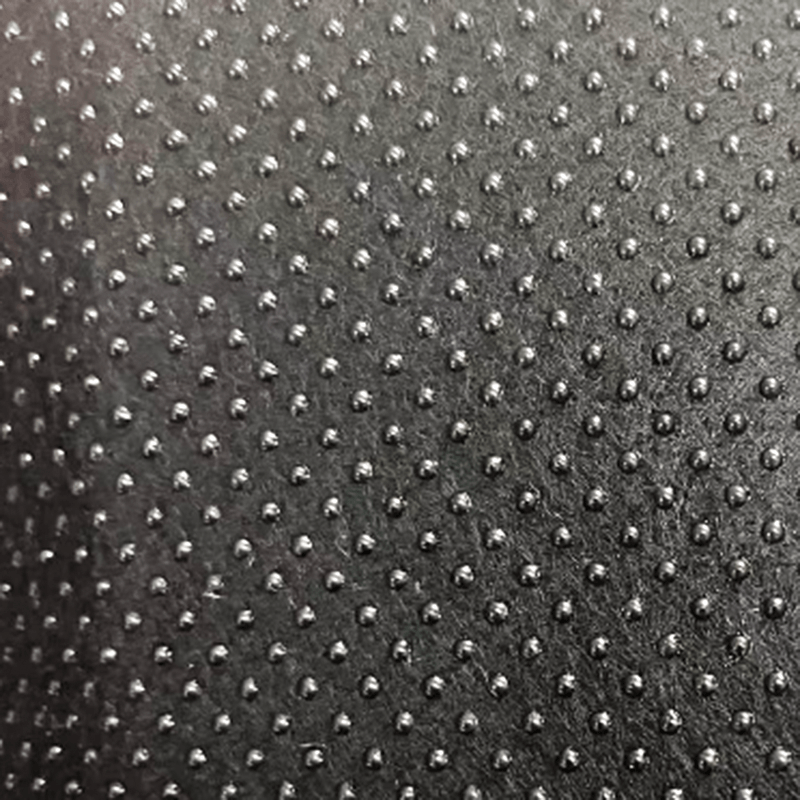
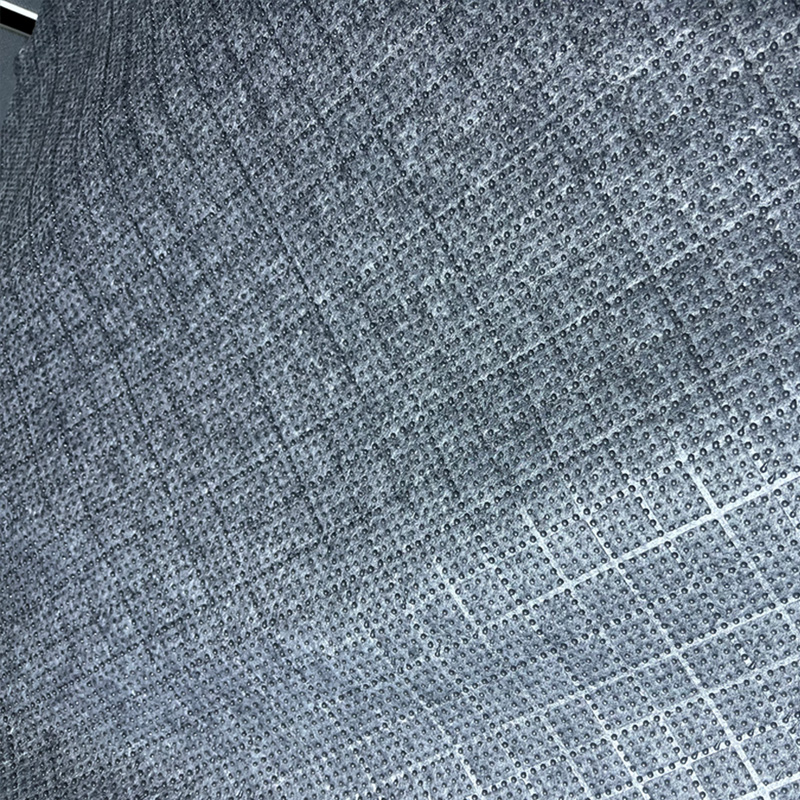
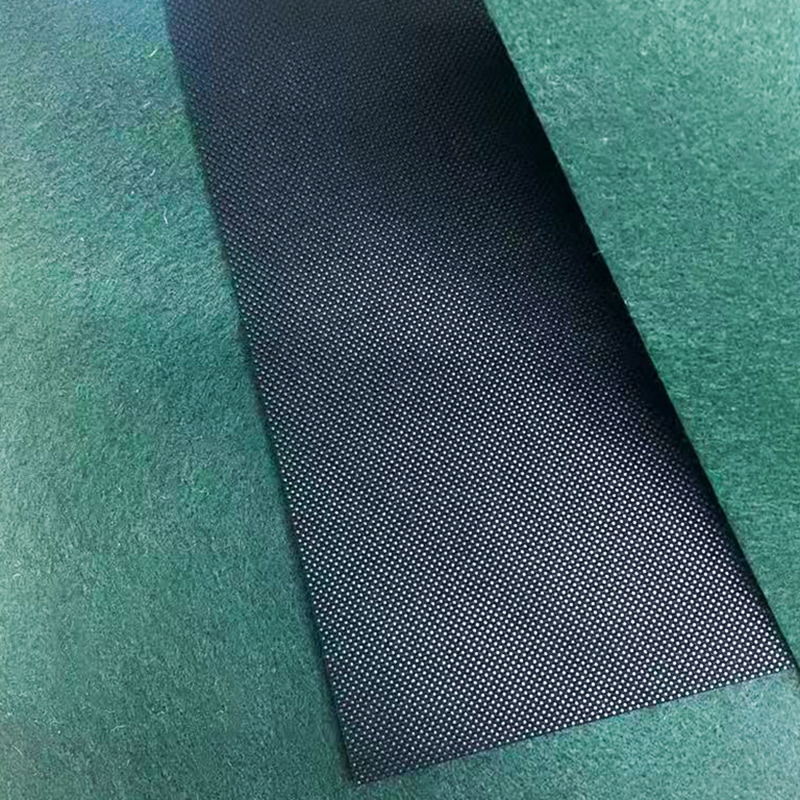
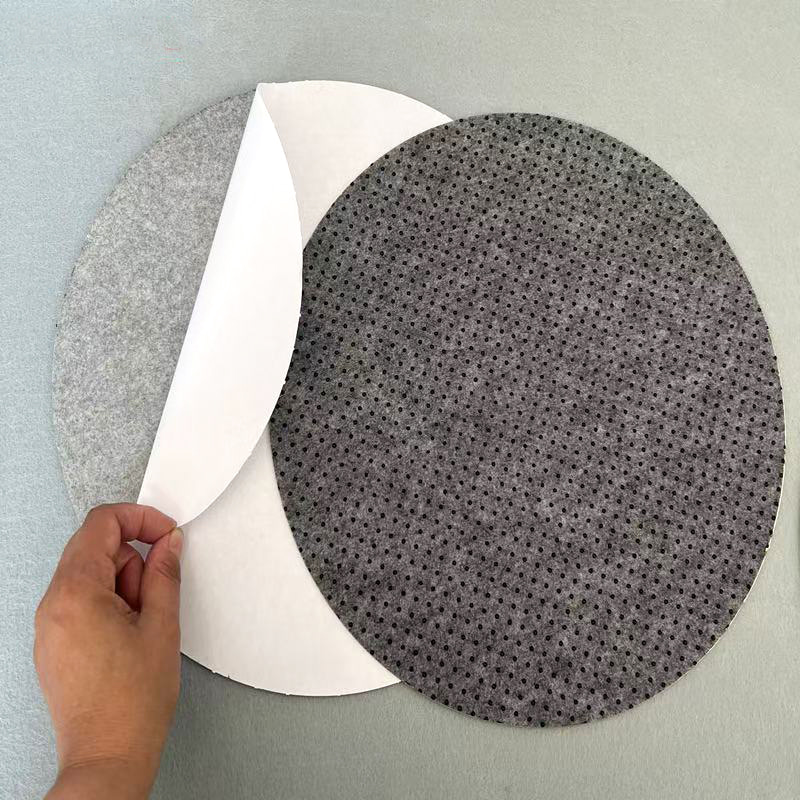
Needle-punched non-woven fabric with anti-slip dots, made via the drop-molding process. The dots are smooth, and various anti-slip patterns can be customized. Suitable for sofas, carpets, fabric lamination, etc., it combines excellent anti-slip performance with an attractive decorative effect.
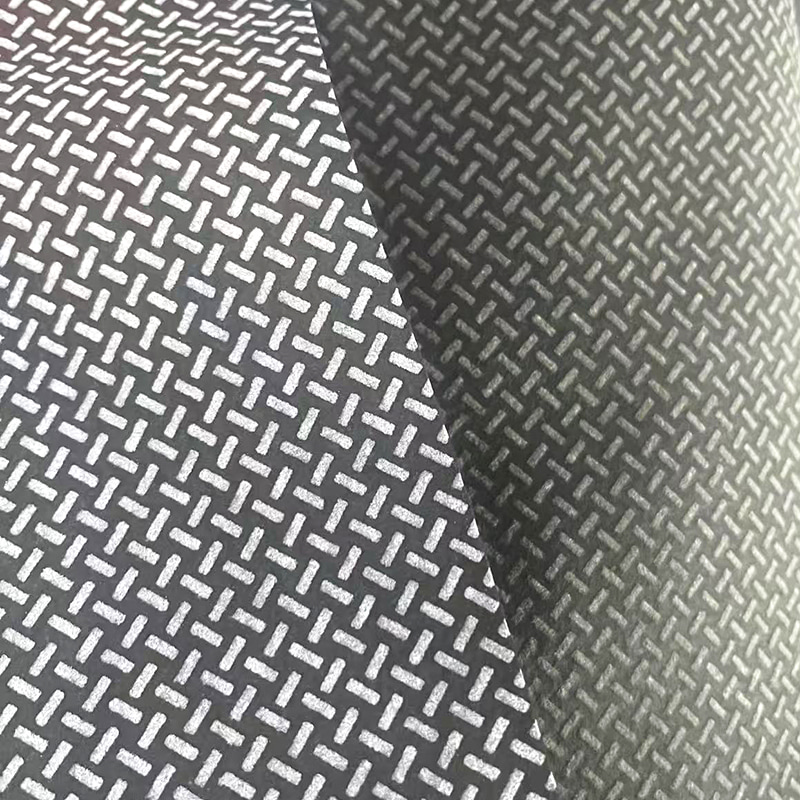
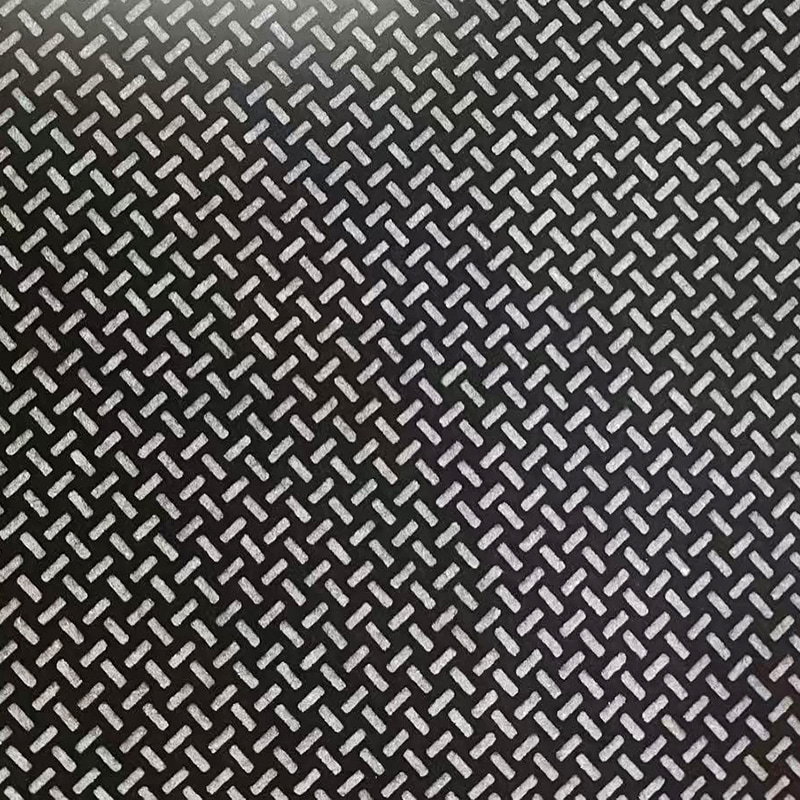
Embossing
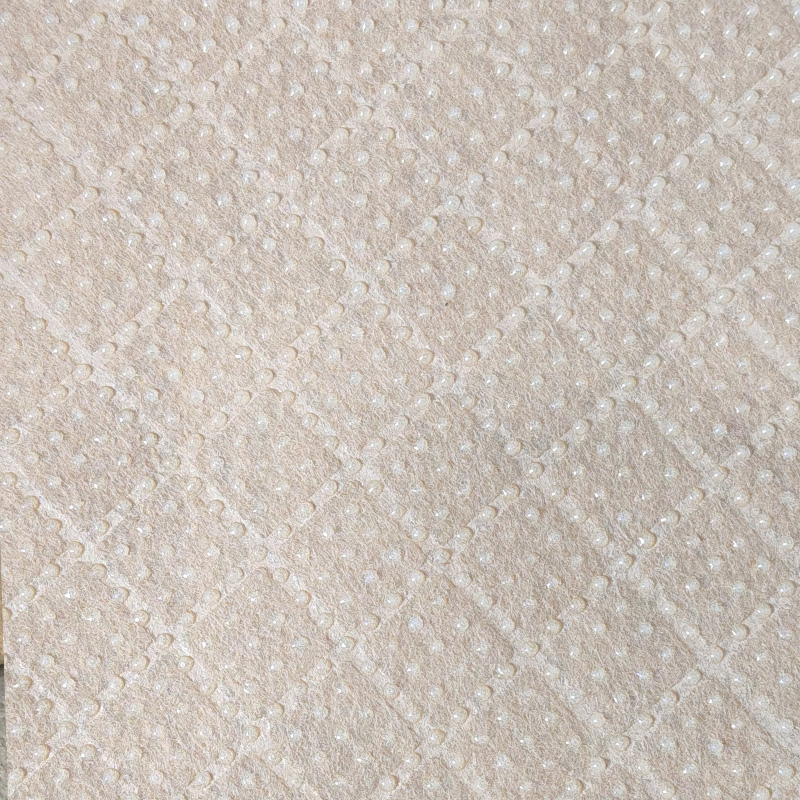
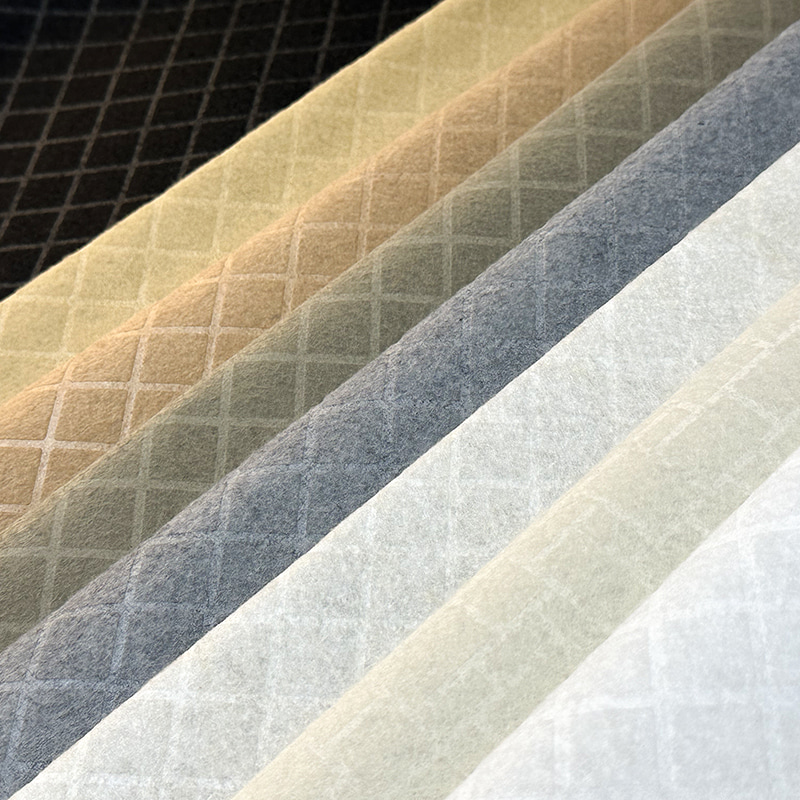
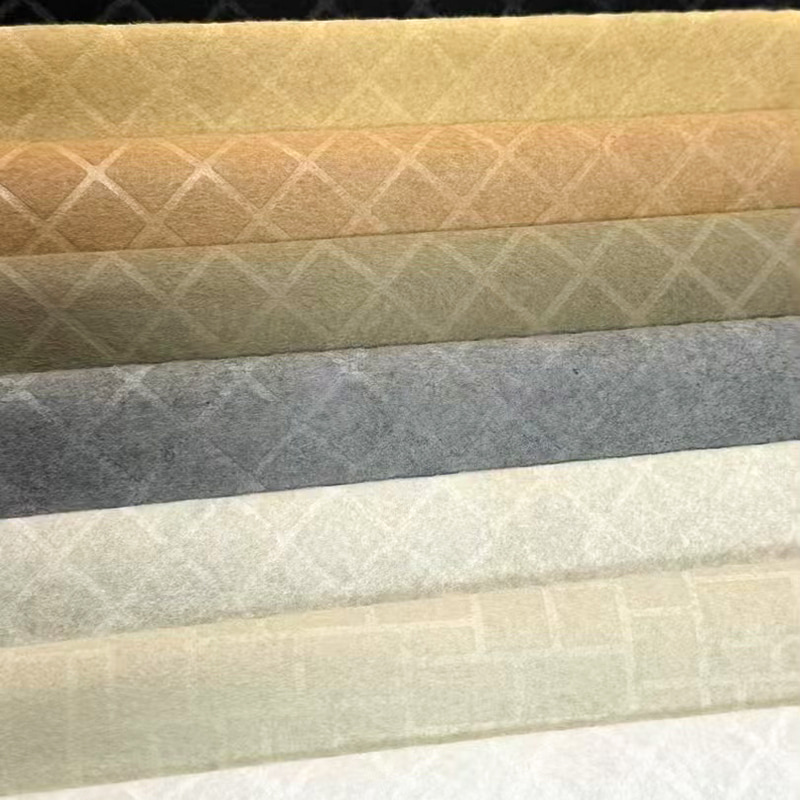
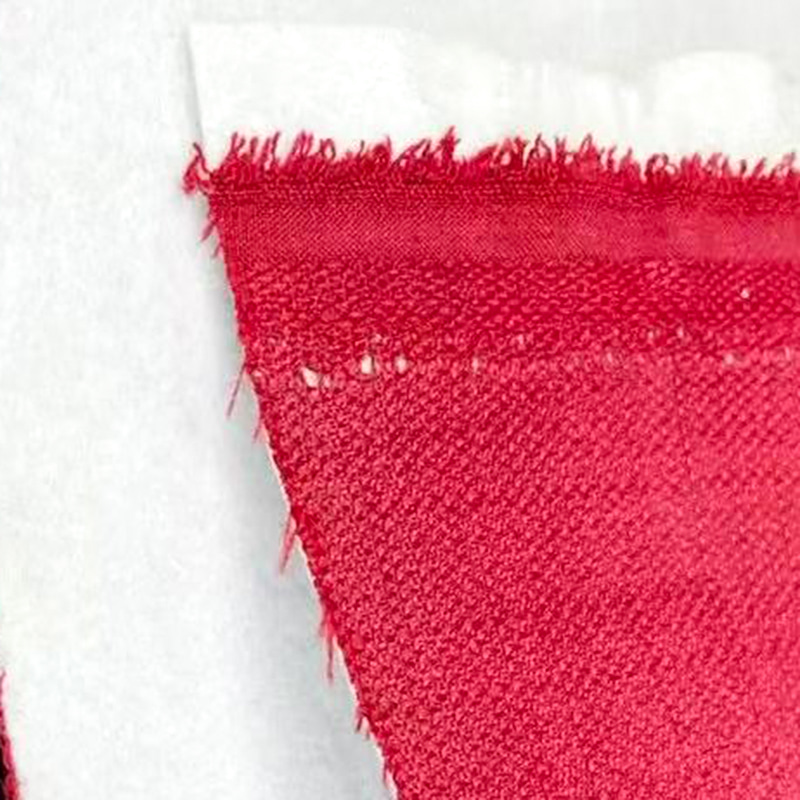
Needle-punched non-woven fabric with embossed patterns, featuring diamond-shaped textures and available in multiple colors. Produced via the needle-punching process, it has a compact structure, excellent wear resistance, and tear strength. Ideal for sofa backs and bottom side strips, it combines decorative appeal with practicality, boosting the quality of sofas. Pattern customization is also supported. It boasts high fastness.
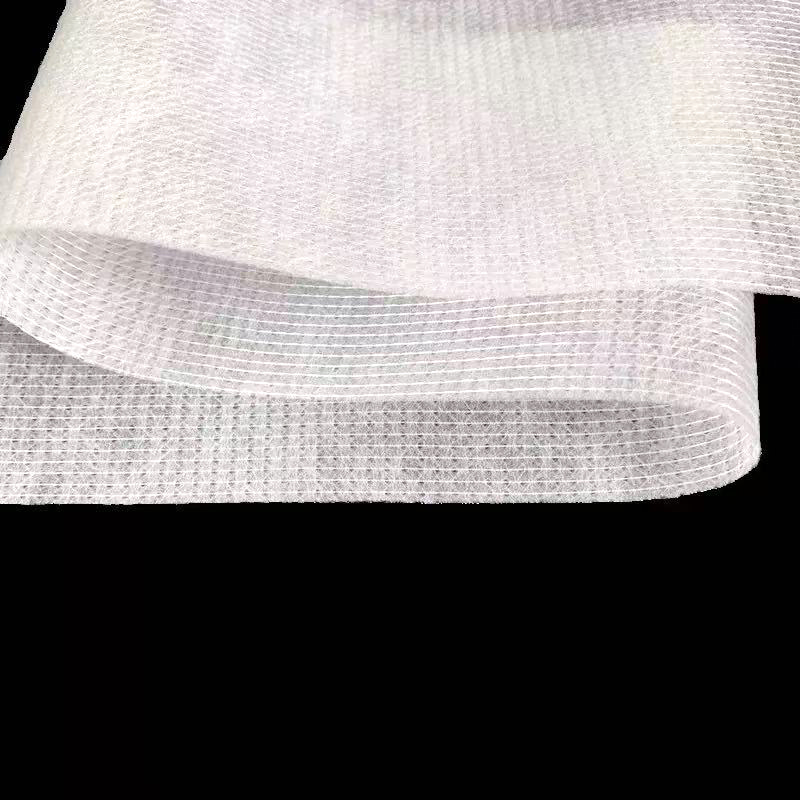
Composite
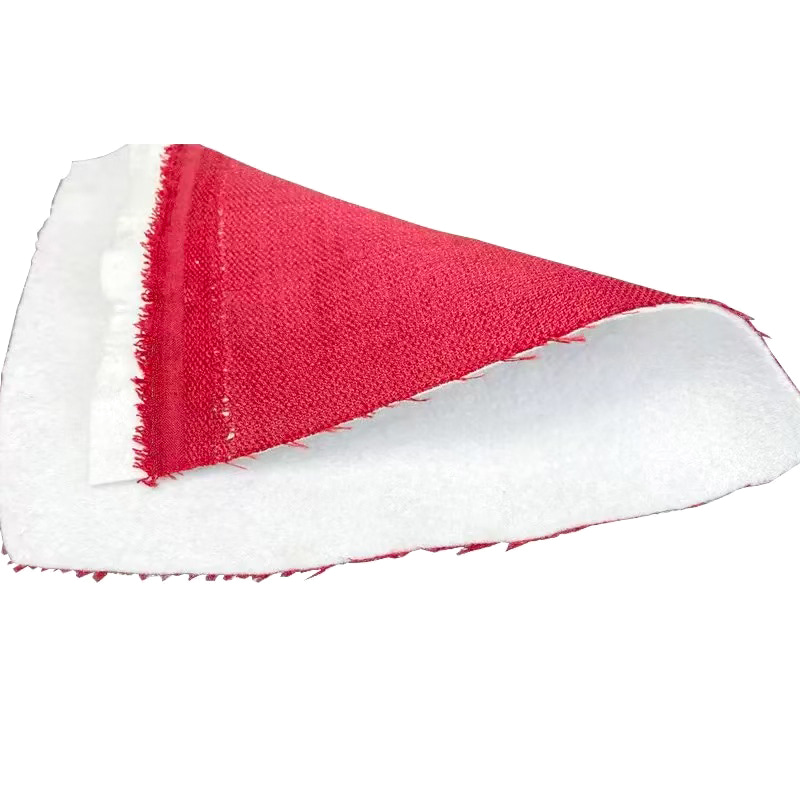
The composite process combines needle-punched non-woven fabric with other functional materials, such as films and fabrics, by means of hot melting, gluing, etc. This process can integrate the advantages of different materials. For example, combining needle - punched non - woven fabric with a waterproof film can endow the product with waterproof and breathable properties, suitable for fields like outdoor products and automotive interiors; combining it with elastic fabric can enhance the flexibility and fit of the material, used for making comfortable garment linings.
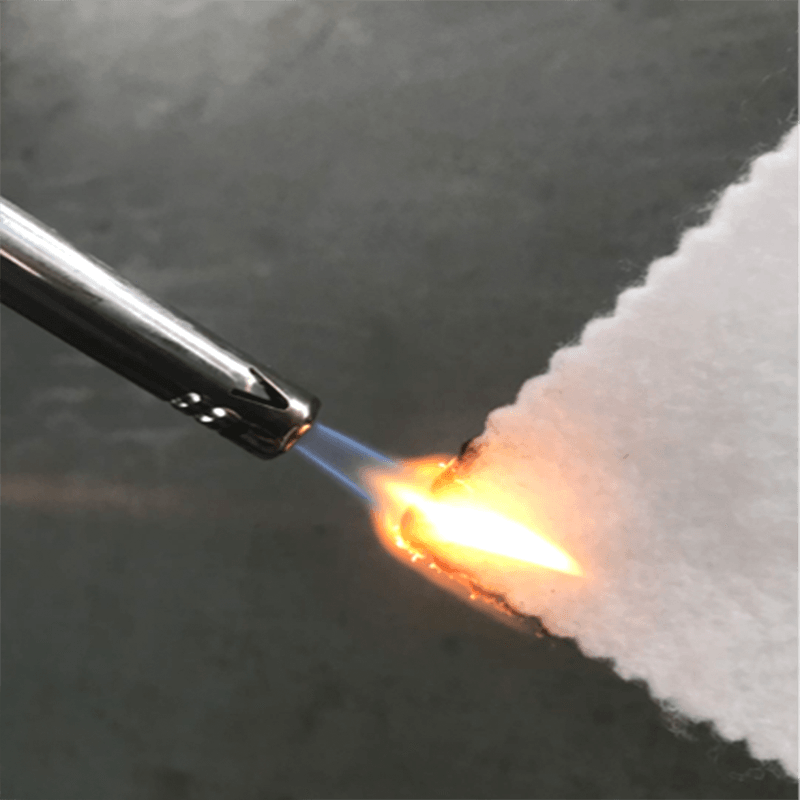
Flame-Retardant
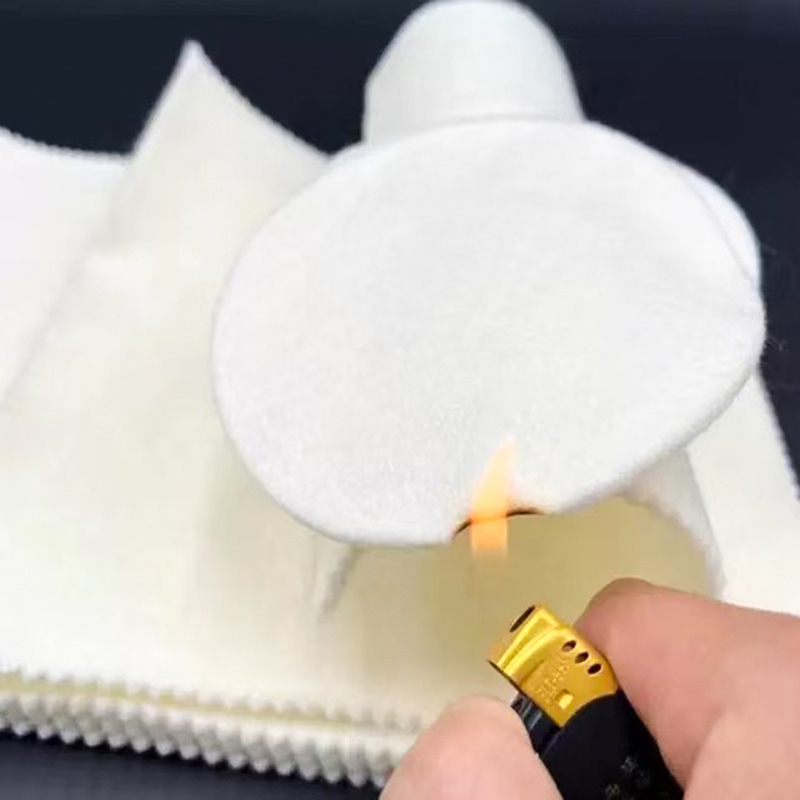
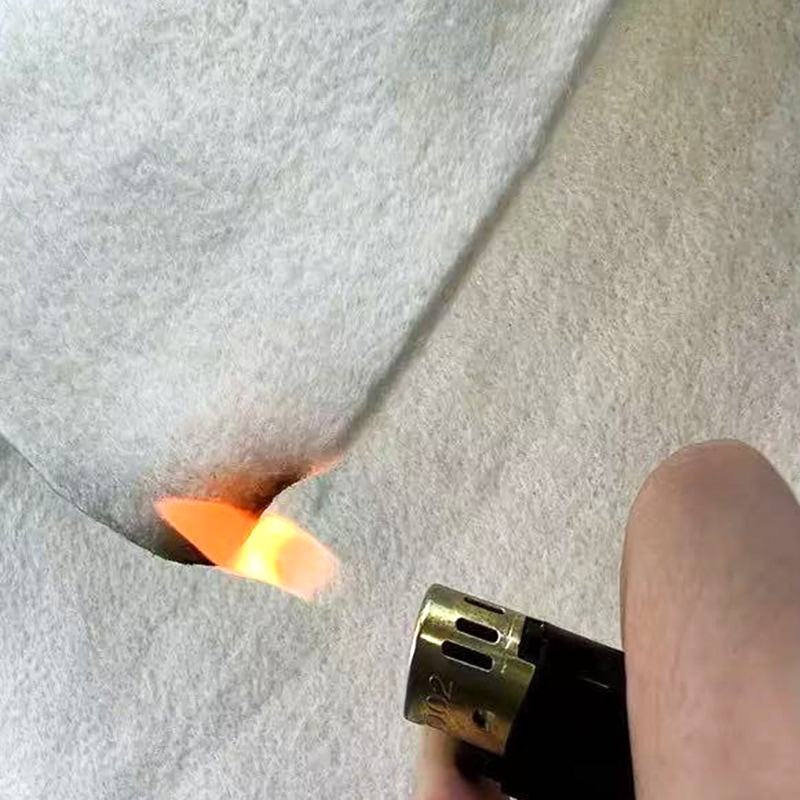
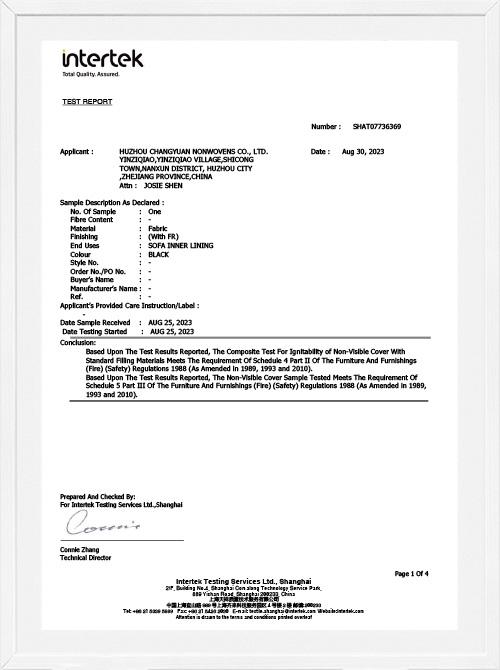
The flame-retardant process makes the non-woven fabric flame-retardant by adding flame retardants during the production of needle-punched non-woven fabric or by specially treating the fibers. The needle-punched non-woven fabric, after flame-retardant treatment, is not easy to burn when encountering an open flame, and can self-extinguish quickly even if it burns, effectively reducing the fire risk. It is widely used in fields with strict fire-protection requirements, such as aerospace, hotel decoration, and public building interiors.
Quilting
The quilting process uses sewing threads to fix the needle-punched non-woven fabric and other filling materials (such as sponges, cotton waddings, etc.) together to form a multi-layer structure with specific patterns and thicknesses. This process not only increases the three-dimensional sense and aesthetics of the material but also improves its warmth retention, buffering performance, and durability. It is commonly used in products like bedding, sofa cushions, and car seat covers, bringing a more comfortable experience to users.
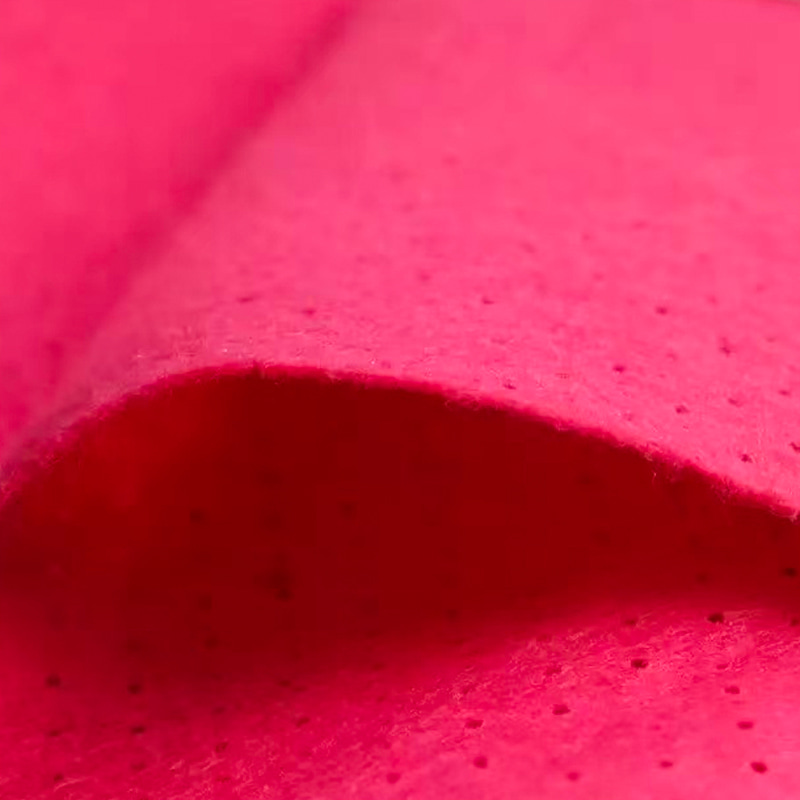
Punching
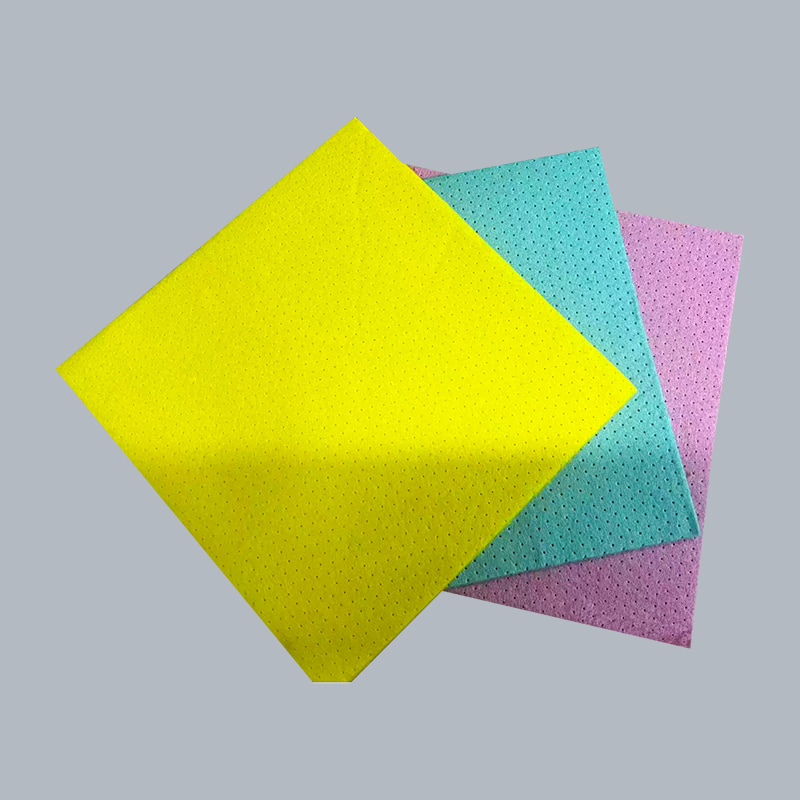
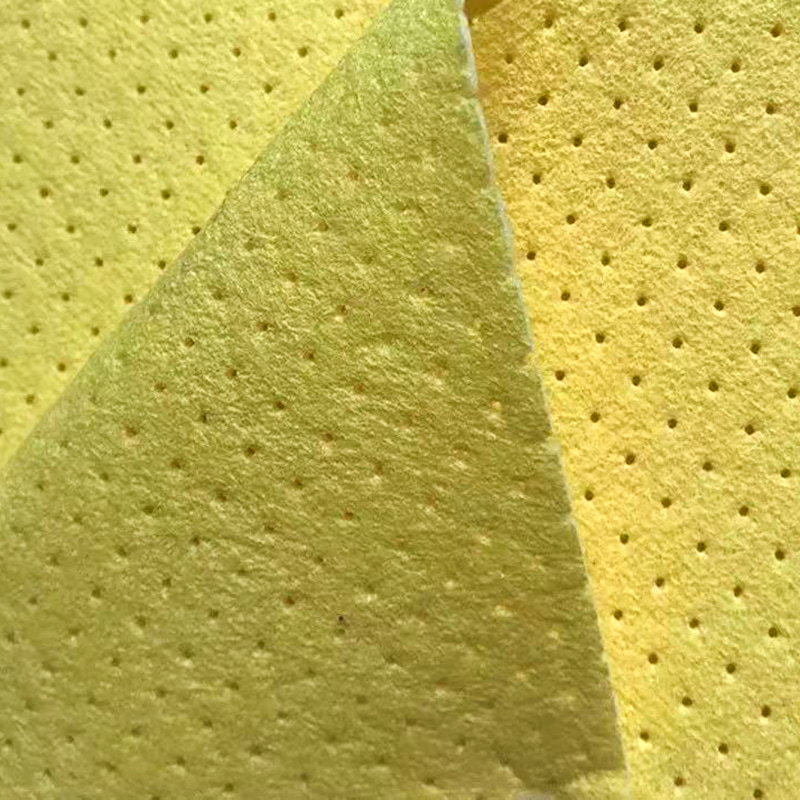
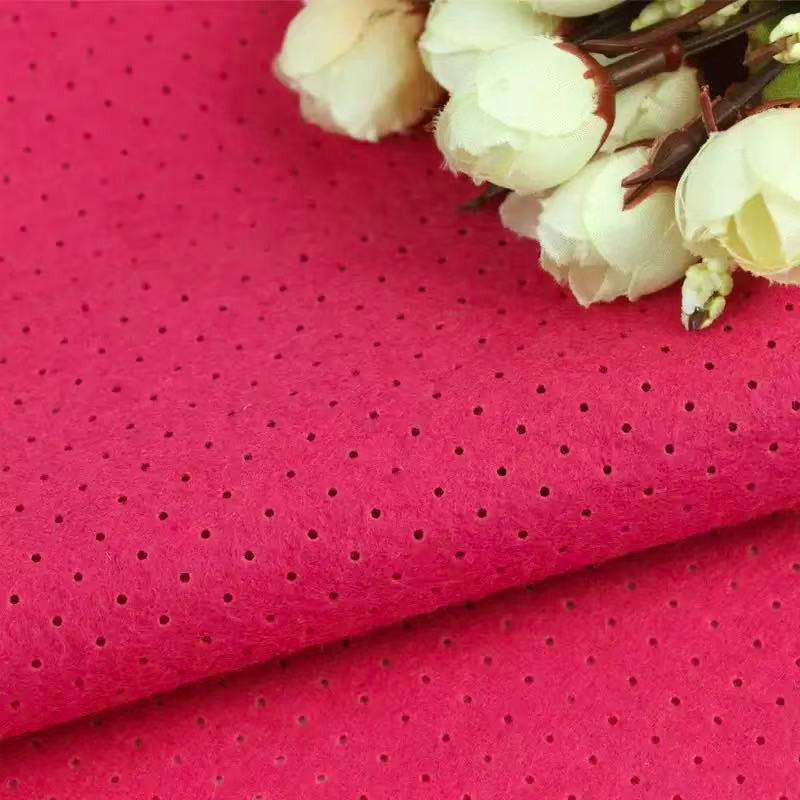
The punching process uses professional punching equipment to process holes of various shapes and arrangements on the surface of needle-punched non-woven fabric. These holes can improve the air permeability of the material, making it more suitable for scenarios with higher ventilation requirements, such as shoe inner linings and luggage inner linings; meanwhile, the unique punching patterns can also add personalized appearance designs to the product and enhance the visual attractiveness of the product.
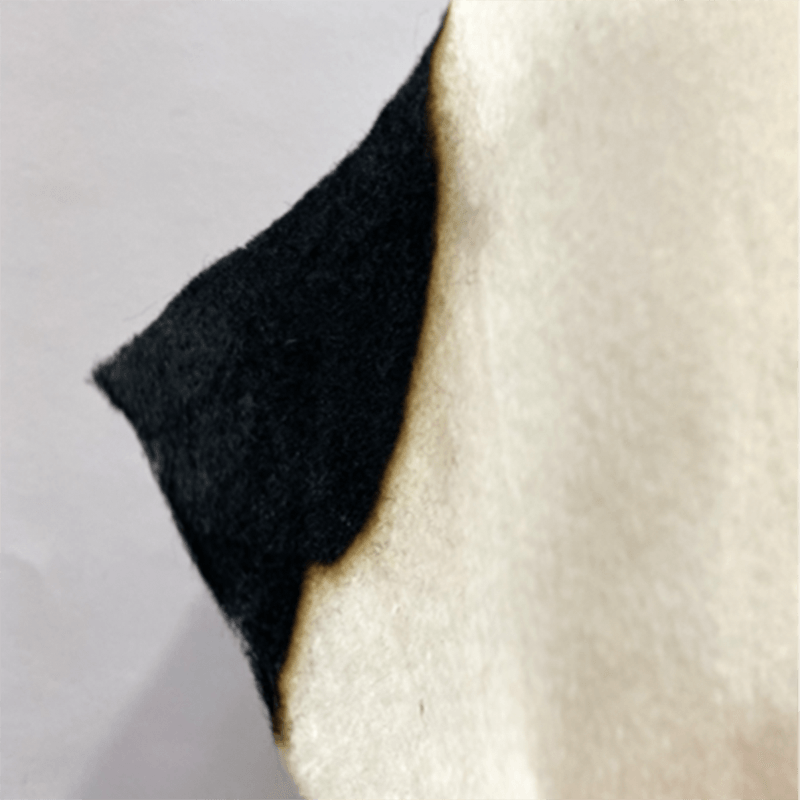
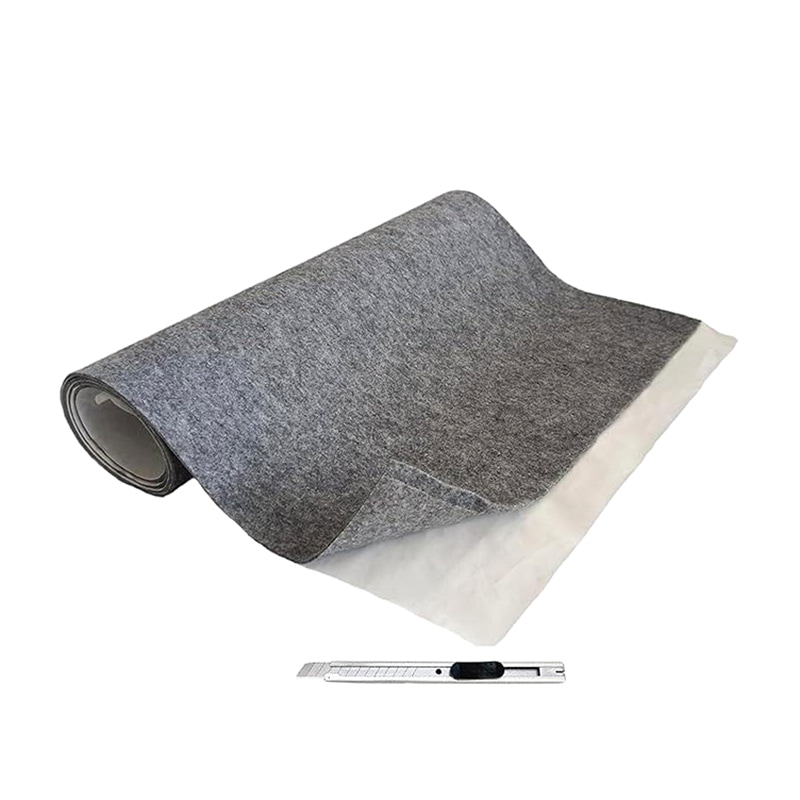
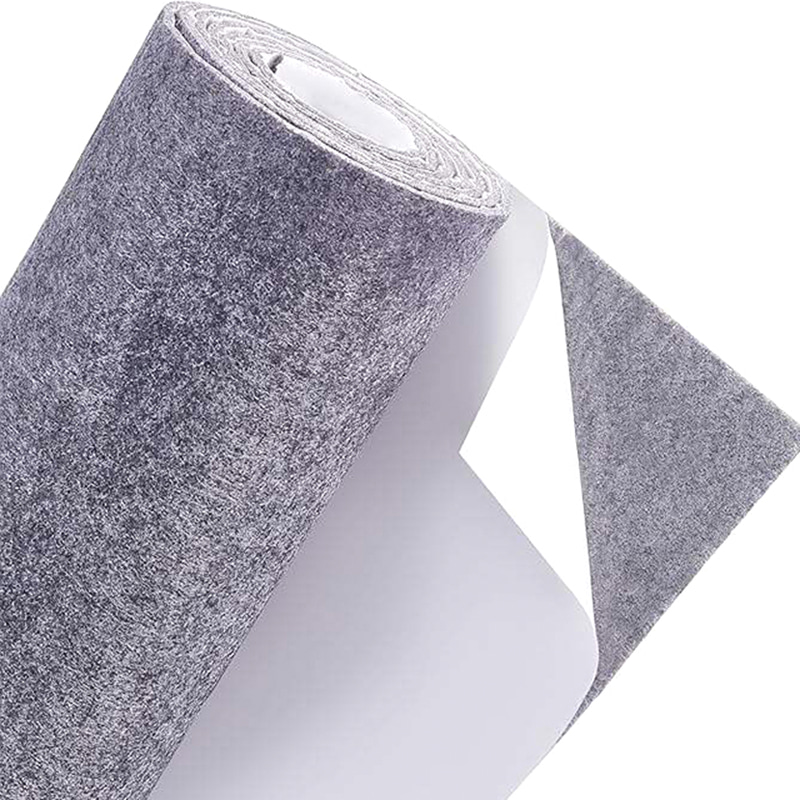
Self-Adhesive
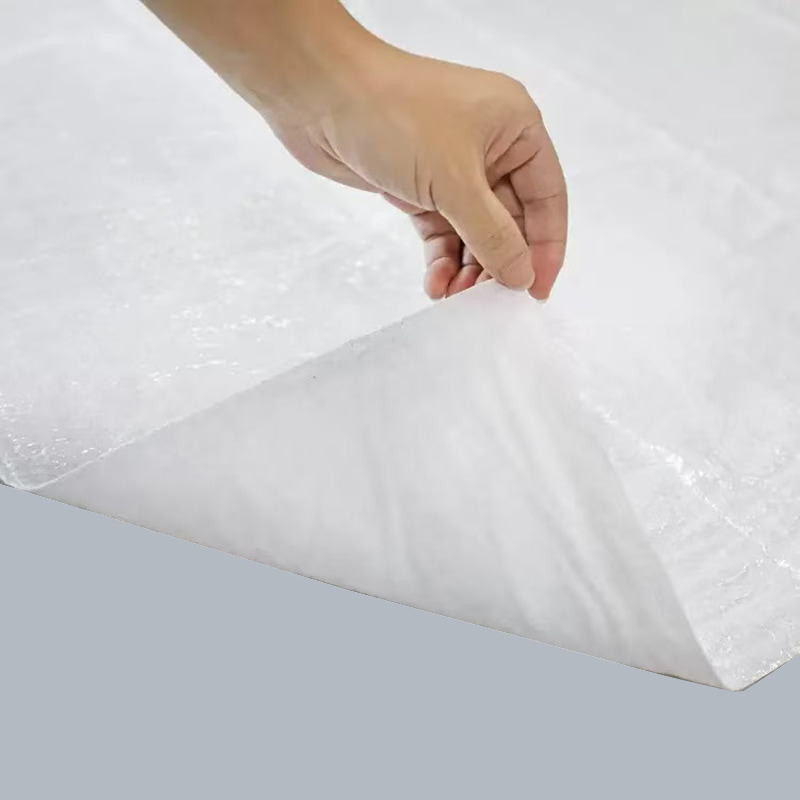
The self-adhesive process applies a special self-adhesive layer on one side of the needle-punched non-woven fabric, endowing it with self-adhesiveness. This needle-punched non-woven fabric with self-adhesive function is easy to use. Without additional glue or other fixing tools, it can be pasted on various smooth surfaces with a gentle press, widely used in fields like decorative stickers, wall sound-insulation materials, and handicraft making.
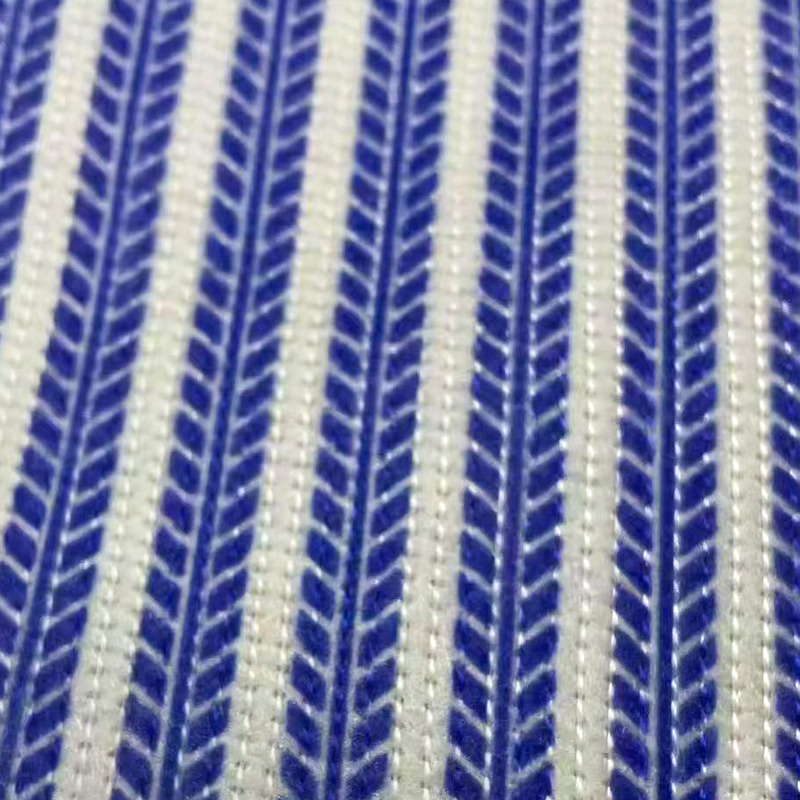
Printing
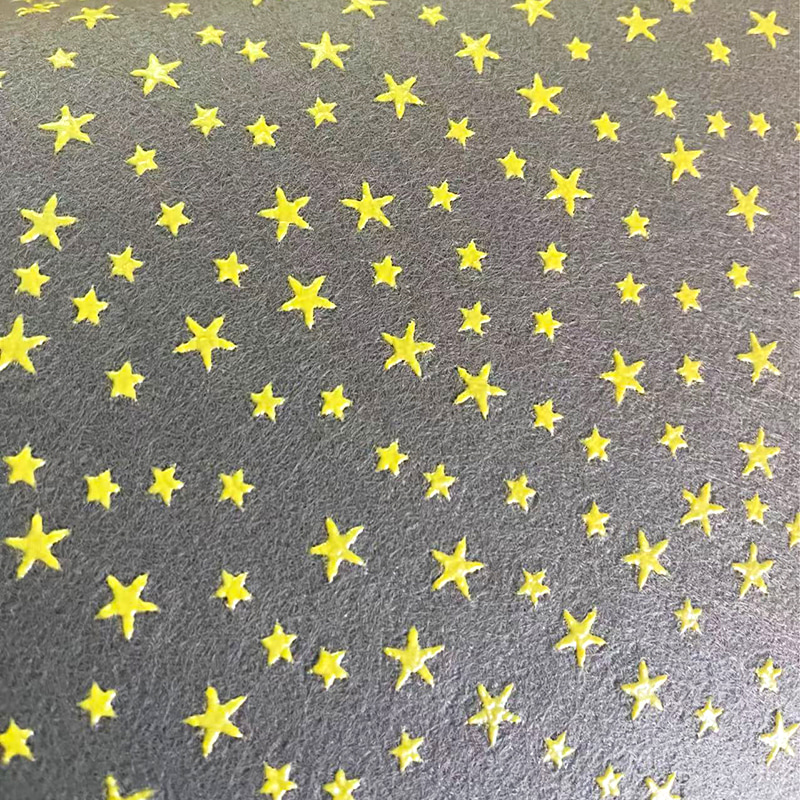
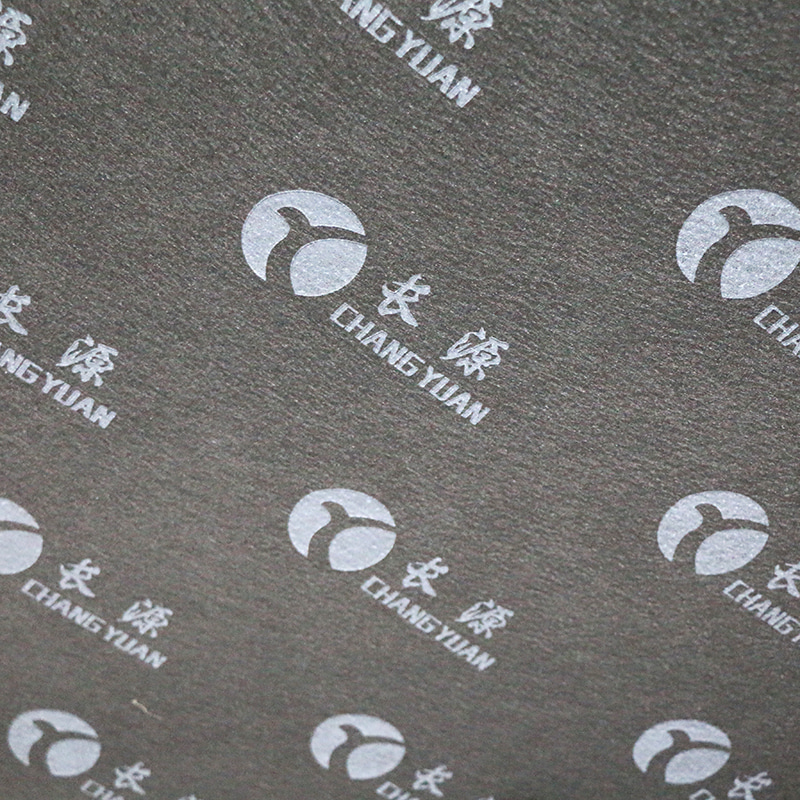
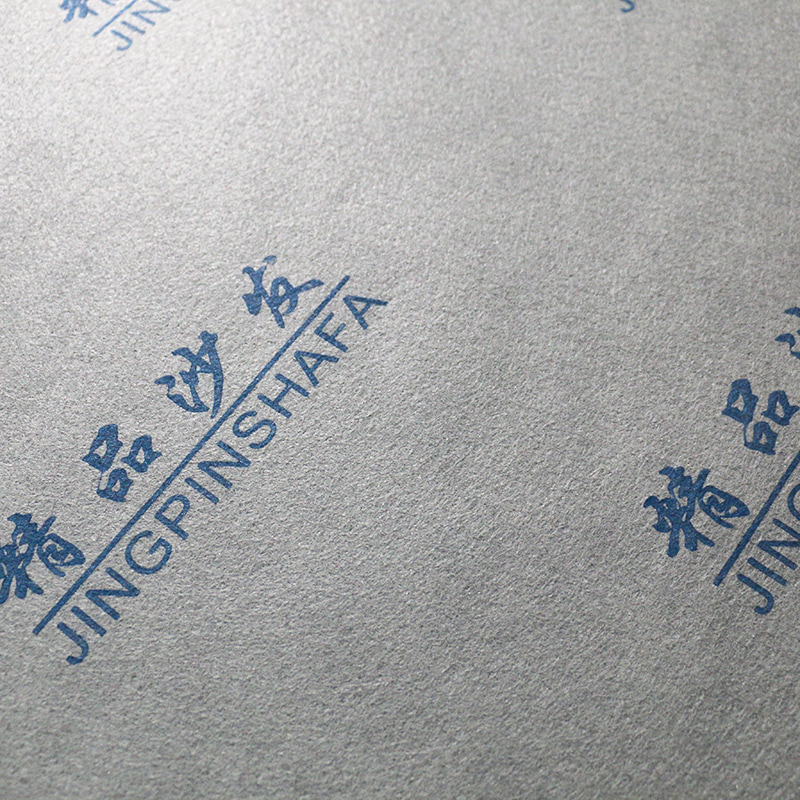
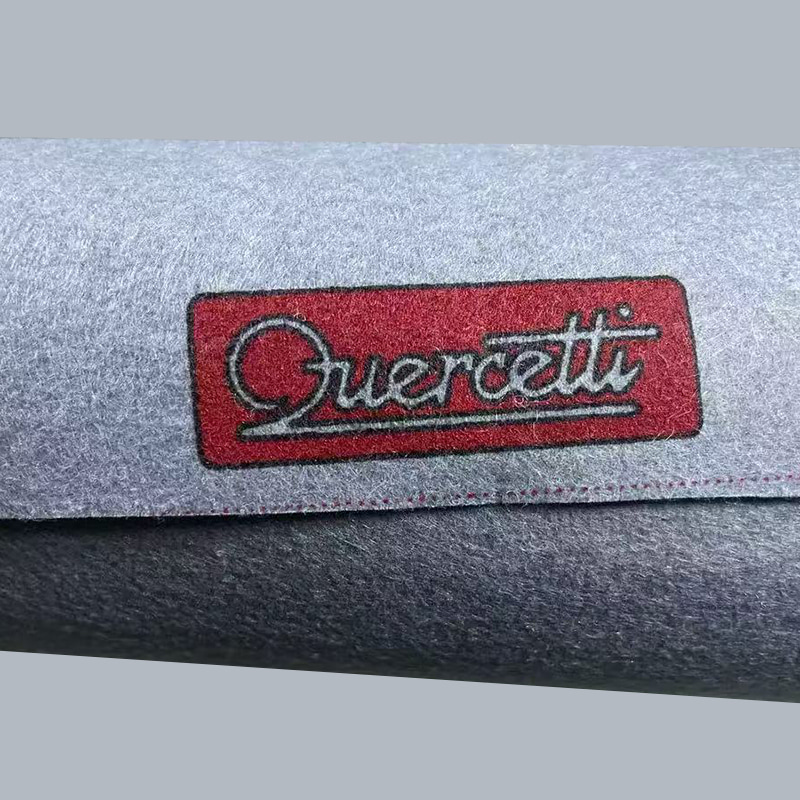
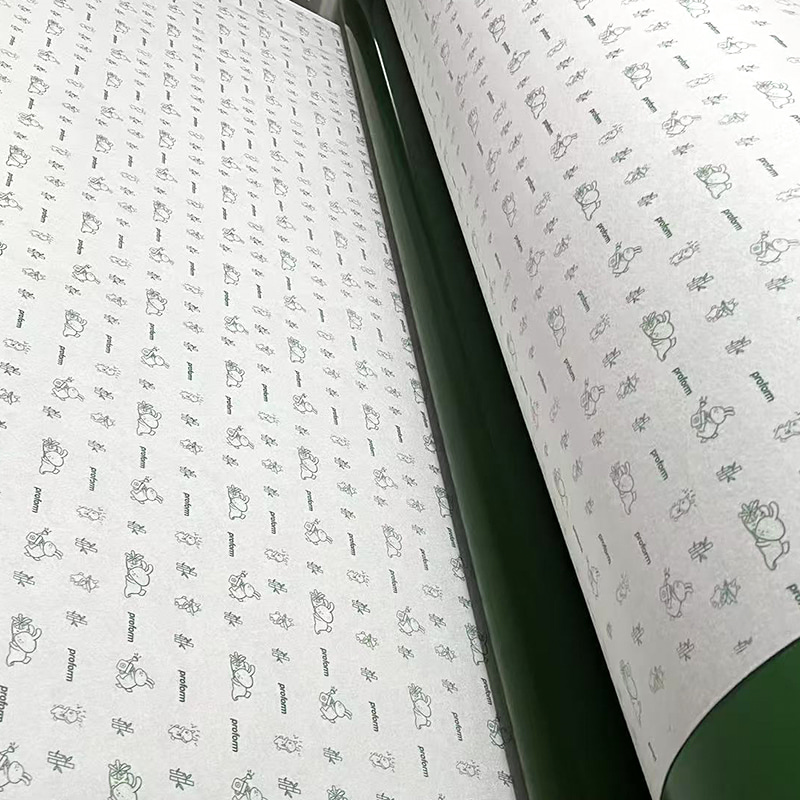
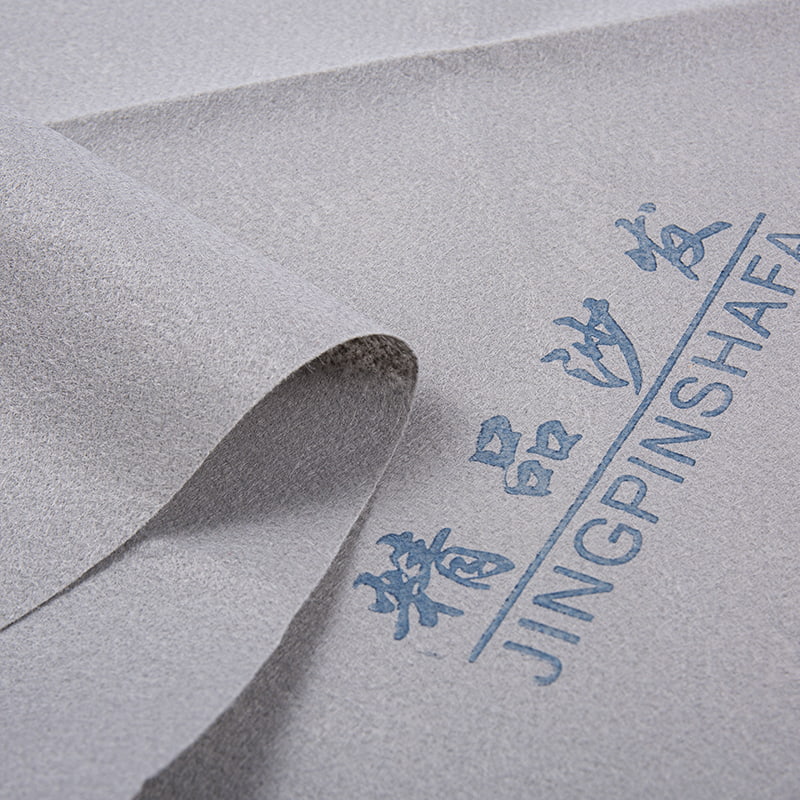
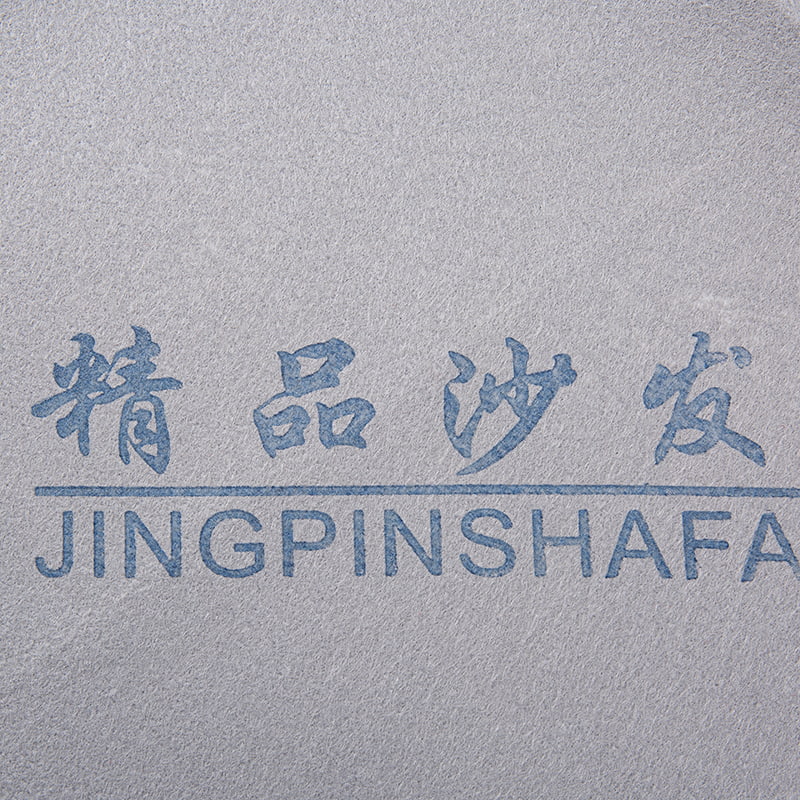
The printing process prints various patterns and colors on the surface of needle-punched non-woven fabric by means of screen printing, digital printing, etc. Through printing, needle-punched non-woven fabric can present rich and diverse appearance effects, from simple geometric patterns to exquisite floral patterns, meeting the personalized needs of different customers in fields like decoration and packaging, and greatly expanding the application range and market value of needle-punched non-woven fabric.
Printing
Key Advantages:
1. Powerful Brand Value and Advertising Effect
Directly printing brand logos, trademarks, contact information, or slogans onto the product transforms it into a mobile and durable advertising medium when used in bags, furniture linings, or shopping totes. This effectively enhances brand awareness and projects a professional image.
2.Ultimate Decorative Appeal and Personalized Customization
It breaks free from the limitation of single colors, capable of carrying any pattern, color, and design. From minimalist geometric shapes to intricate artistic graphics, it meets the aesthetic needs of various brands, significantly enhancing the visual appeal and added value of the end product. It easily accommodates small-batch, multi-design orders, perfectly aligning with current market demands for personalized and fashionable consumer goods, especially in fast-fashion homeware, cultural and creative products, and promotional gifts.
3.Perfect Integration of Function and Information
High-quality printing significantly improves the product's appearance. When the lining becomes visible in certain contexts (eg: the interior lining of a sofa or mattress), a well-designed print can create a positive surprise, enhancing the user's overall experience.
4. Opening Up New Application Markets
It is widely applicable in entirely new fields such as eco-friendly fashion shopping bags, gift packaging, home decorations (e.g., curtains, tablecloths), stationery, disposable promotional display cloths, and children's products, demonstrating massive market potential.
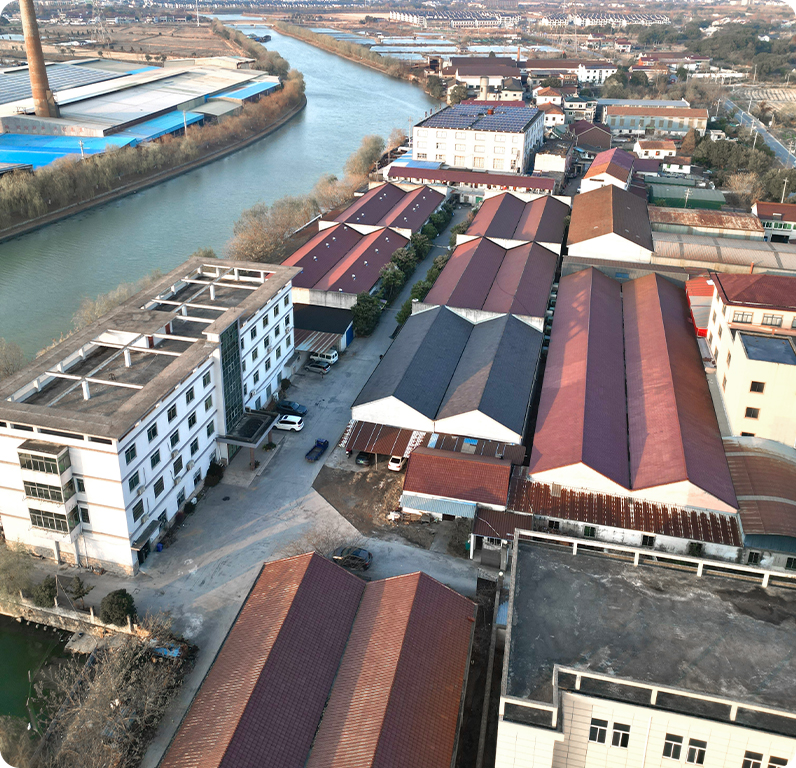
Huzhou Changyuan Nonwoven Co., Ltd.
Huzhou Changyuan Nonwoven Co., Ltd. is situated in Zhejiang Province, with close proximity to Shanghai Port—an advantage that ensures efficient cargo delivery. We specialize in the research ,development, production and marketing of high-quality needle-punched nonwovens.
Needle-Punched Nonwovens in Special Process.
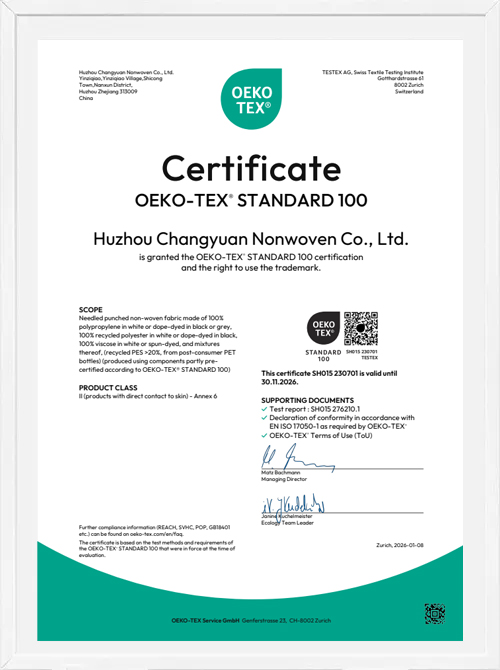
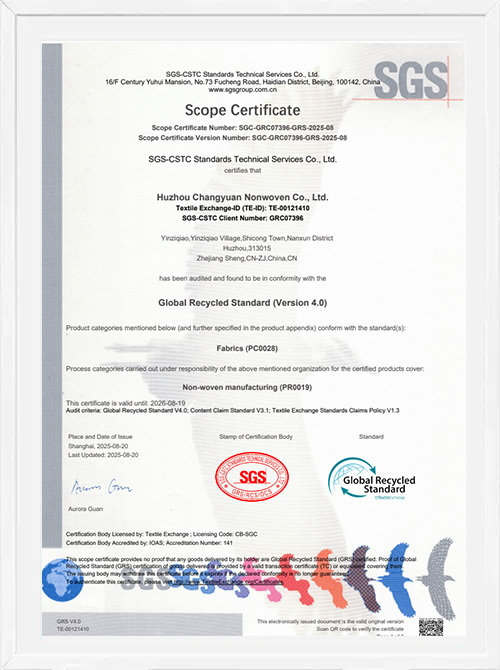
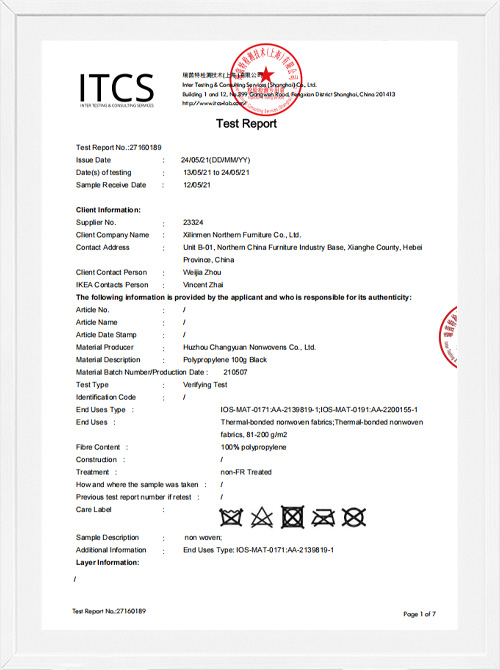
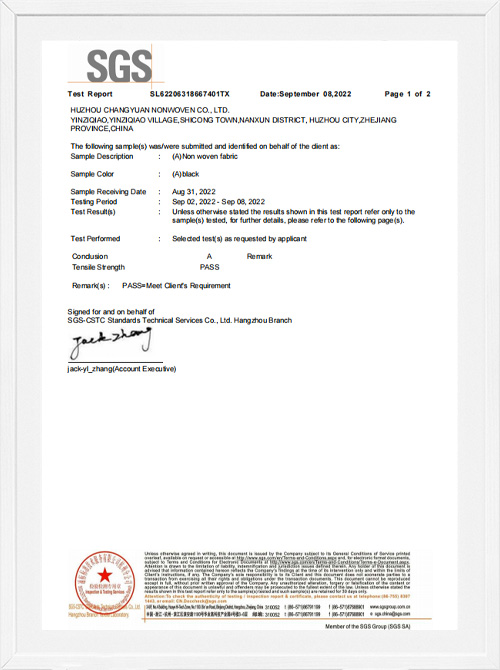
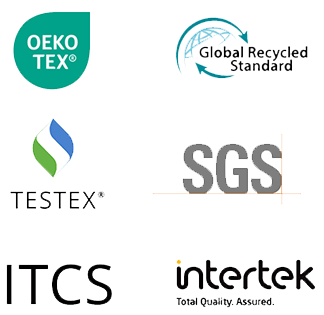
Our products boast a broad application scope, covering sofa/mattress linings, carpets, automotive interior fabrics, geotextiles, and cleaning products. They also include medical-grade nonwovens, and are further suitable for filtration, agricultural uses, and beyond. Needle-Punched Nonwovens in Special Process. Our materials have earned GRS(Global Recycled Standard) and OEKO-TEX® certifications, upholding quality and sustainability. We warmly welcome domestic and foreign partners for win-win collaboration.
Our products boast a broad application scope, covering sofa/mattress linings, carpets, automotive interior fabrics, geotextiles, and cleaning products. They also include medical-grade nonwovens, and are further suitable for filtration, agricultural uses, and beyond. Needle-Punched Nonwovens in Special Process. Our materials have earned GRS(Global Recycled Standard) and OEKO-TEX® certifications, upholding quality and sustainability. We warmly welcome domestic and foreign partners for win-win collaboration.
-
2018
Founded in
-
80000
Construction Area
-
200+
Employees
Certificate Of Honor
Message Feedback
News
-
-
Anyone who has wrestled a wriggling baby into a diaper, or peeled a soaked one off after a long night, has probably asked a version of the question: ...
READ MORE -
Ask ten buyers what the raw material of non woven fabric is and you may collect ten different answers: polypropylene granules, polyester staple fibre...
READ MORE -
Nonwoven filters are the quiet workhorses of modern industry. They capture dust before it reaches a factory floor, keep hydraulic oil clean enough to...
READ MORE
Huzhou Changyuan Nonwoven Co., Ltd.
-
 Tel: +86 15700112297
 -
 WhatApp: +86 15700112297
 -
 E-mail: [email protected]
 -
 Yinziqiao Village, Shicong Town, Nanxun District, Huzhou City, Zhejiang Province, China
Quick Links
Products
Our Certifications
Copyright © 2025 Huzhou Changyuan Nonwoven Co., Ltd. All Rights Reserved.
Needle-Punched Nonwovens in Special Process

The information provided on this website is intended for use only in countries and jurisdictions outside of the People's Republic of China.