Industry Knowledge
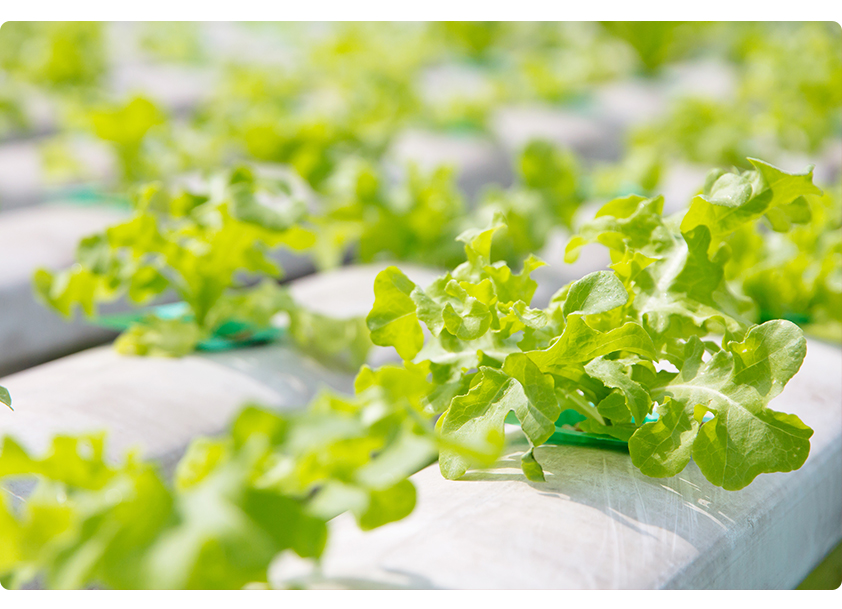
Modern cultivation systems increasingly rely on Agricultural Nonwoven Fabric to create favorable microclimates around crops. Unlike impermeable plastic films, needle-punched structures allow continuous air exchange while reducing sudden temperature fluctuations. During early spring and late autumn, these fabrics help maintain warmer soil conditions, thereby accelerating seed germination and promoting more uniform plant development. Their porous fiber network also prevents excessive humidity accumulation, which is essential for minimizing fungal diseases in vegetables and fruit crops.
Balancing Temperature and Moisture
The thermal insulation performance of nonwoven materials depends largely on basis weight and fiber density. Lightweight fabrics provide excellent ventilation for leafy vegetables, whereas heavier grades are better suited for frost-sensitive crops. The combination of moisture permeability and temperature retention allows growers to extend growing seasons and reduce dependency on artificial heating systems.
Practical Weed Suppression Strategies Using Agriculture Weed Control Fabric
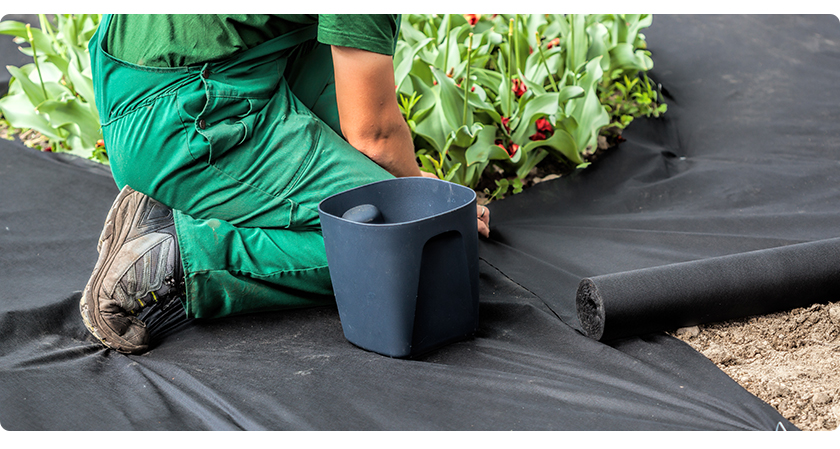
One of the most practical applications of Agriculture Weed Control Fabric is minimizing competition between weeds and cultivated plants. By blocking sunlight while maintaining water and nutrient penetration, the fabric effectively suppresses weed growth without the need for excessive herbicide use. This approach has become particularly valuable in organic farming and sustainable landscape management.
Factors Affecting Weed Barrier Performance
- Higher basis weights provide stronger resistance to aggressive perennial weeds.
- UV stabilization improves outdoor service life under continuous sunlight exposure.
- Adequate permeability ensures irrigation water reaches plant roots efficiently.
- Proper installation prevents gaps where weeds may emerge.
Protective Functions of Row Cover Fabric in Seasonal Cultivation
Row Cover Fabric plays an important role in protecting crops against adverse weather conditions and insect damage. During unexpected cold snaps, the fabric acts as an insulating layer that reduces heat loss from the soil surface. At the same time, it serves as a physical barrier against pests such as aphids, flea beetles, and cabbage worms, reducing the need for chemical pesticides.
Applications in Different Crop Types
Strawberries, lettuce, spinach, tomatoes, and cucumbers are among the crops that benefit significantly from row covers. In vineyards and orchards, lightweight covers are frequently used during flowering periods to protect sensitive blossoms from unexpected frost events. This protective effect contributes directly to yield stability and improved product quality.
Compared with traditional woven agricultural textiles, Needle-Punched Nonwovens in Agriculture exhibit superior dimensional stability and puncture resistance. The mechanical entanglement of fibers creates a robust three-dimensional structure capable of withstanding repeated installation and removal cycles. Their flexibility enables them to conform to uneven soil surfaces without tearing, making them suitable for both open-field cultivation and greenhouse applications.
Another advantage lies in their resistance to microbial degradation. Since many agricultural environments involve continuous exposure to moisture, soil particles, and organic matter, durable synthetic fibers help maintain structural integrity over extended periods. This contributes to lower replacement costs and improved operational efficiency.
Selection Guidelines for Agricultural Nonwoven Fabric
Choosing the appropriate fabric specifications requires consideration of crop type, climate conditions, and intended service life. Different basis weights and material compositions provide varying levels of protection and permeability.
| Application |
Typical Weight |
Main Benefit |
Suitable Crops |
| Row Cover Fabric |
17-30 g/m² |
Frost protection and insect barrier |
Leafy vegetables and berries |
| Agriculture Weed Control Fabric |
90-150 g/m² |
Weed suppression and soil conservation |
Fruit trees and nurseries |
| Heavy-Duty Needle-Punched Nonwovens in Agriculture |
150-300 g/m² |
Long-term durability |
Landscape and greenhouse systems |
Sustainable Development and Manufacturing Capabilities
As environmental regulations become increasingly stringent, manufacturers are focusing on sustainable production technologies and recycled raw materials. Huzhou Changyuan Nonwoven Co., Ltd. is situated in Zhejiang Province, with close proximity to Shanghai Port—an advantage that ensures efficient cargo delivery. We specialize in the research, development, production and marketing of high-quality needle-punched nonwovens.
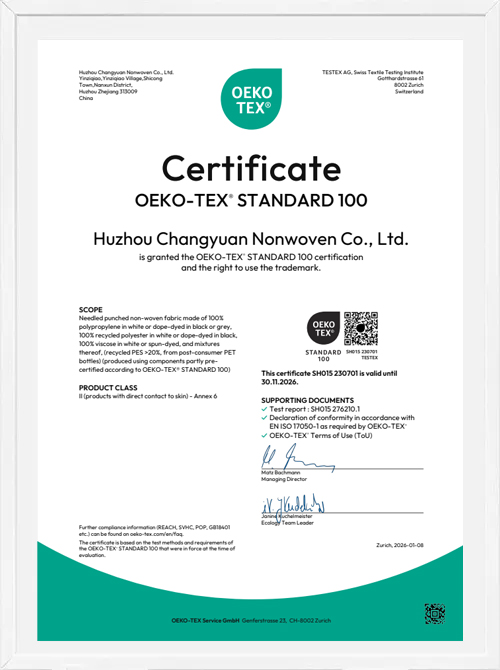
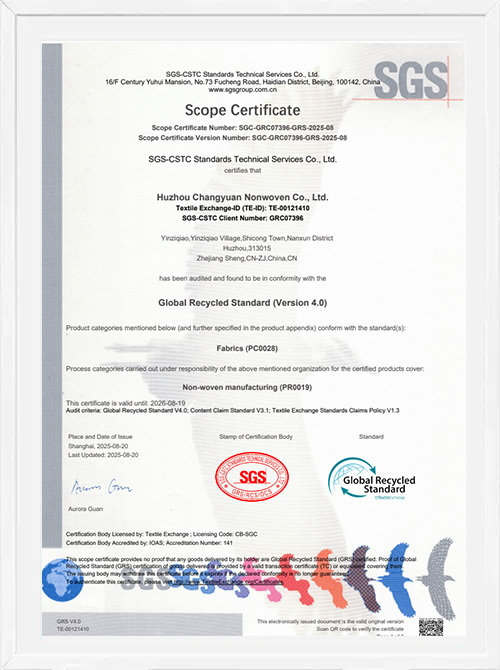
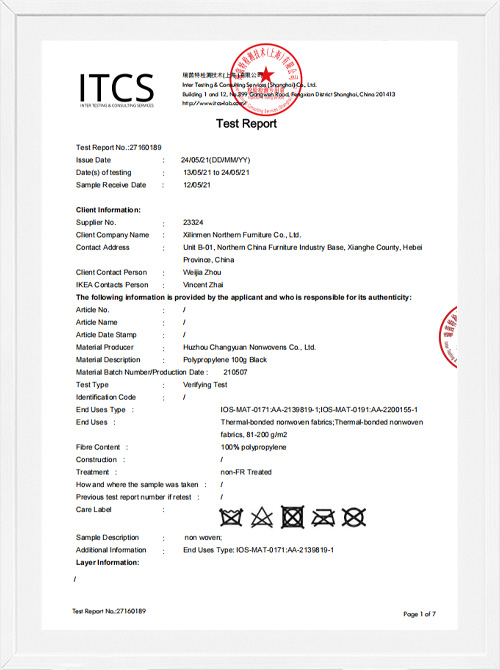
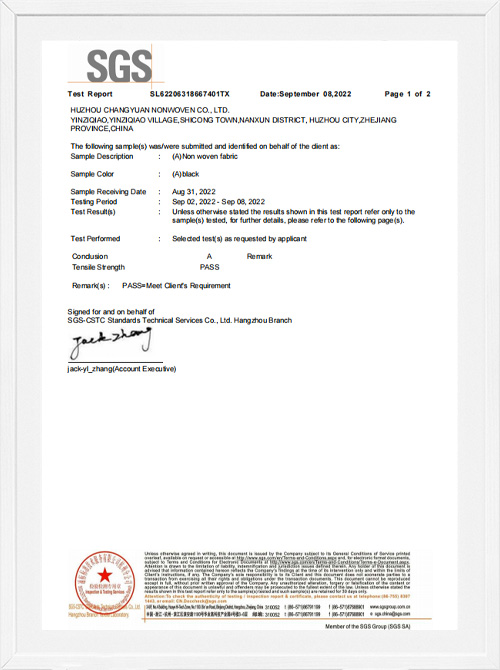
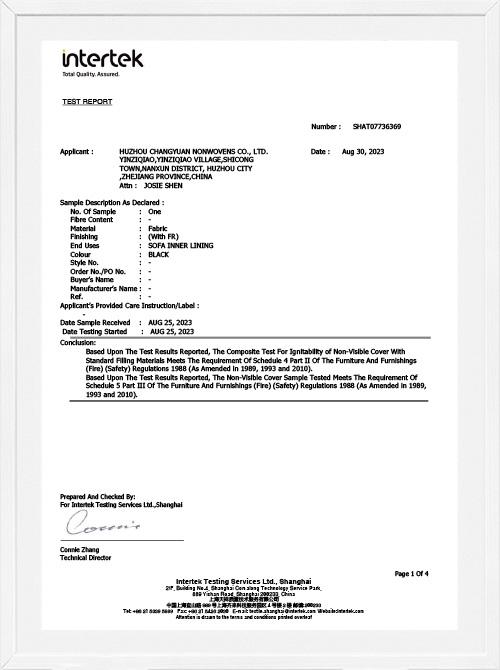
The products of Huzhou Changyuan Nonwoven Co., Ltd. cover sofa and mattress linings, carpets, automotive interior fabrics, geotextiles, cleaning products, medical-grade nonwovens, filtration materials, and various agricultural applications. Our materials have earned GRS (Global Recycled Standard) and OEKO-TEX® certifications, demonstrating a strong commitment to quality and sustainability. These certifications provide assurance that the company's agricultural products satisfy international requirements regarding environmental responsibility and product safety.
Future Trends in Agricultural Textile Technologies
Smart farming practices are creating new opportunities for advanced Agricultural Nonwoven Fabric solutions. Researchers are exploring biodegradable fibers, antimicrobial treatments, and sensor-integrated coverings capable of monitoring temperature and humidity. Such innovations are expected to further enhance resource efficiency and crop productivity. Consequently, Needle-Punched Nonwovens in Agriculture will continue to play a vital role in sustainable agricultural development and modern crop management systems.


 English
 中文简体
中文简体 Furniture
 Carpet
 Automotive
 Composite
 Geosynthetics
 Medical
 Filtration
 Cleaning Supplies
 Building Industry
 Agricultural Use
 Consumer Goods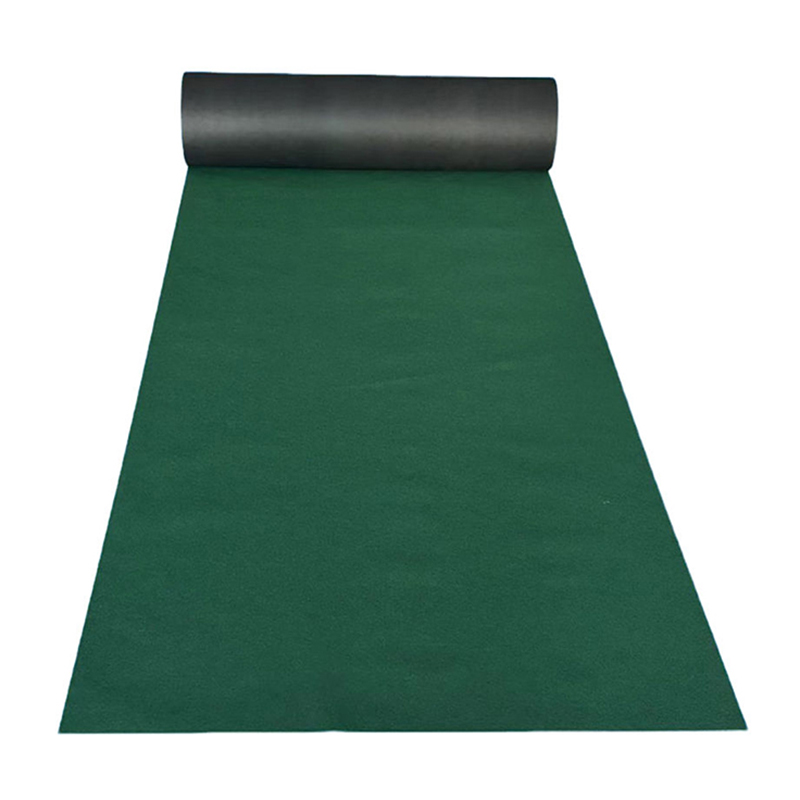

 Features Non-toxicity and Eco-safety
  Tear-resistant and Durable
 Tel: +86 15700112297
  WhatApp: +86 15700112297
  E-mail:
  Yinziqiao Village, Shicong Town, Nanxun District, Huzhou City, Zhejiang Province, China