English
 中文简体
中文简体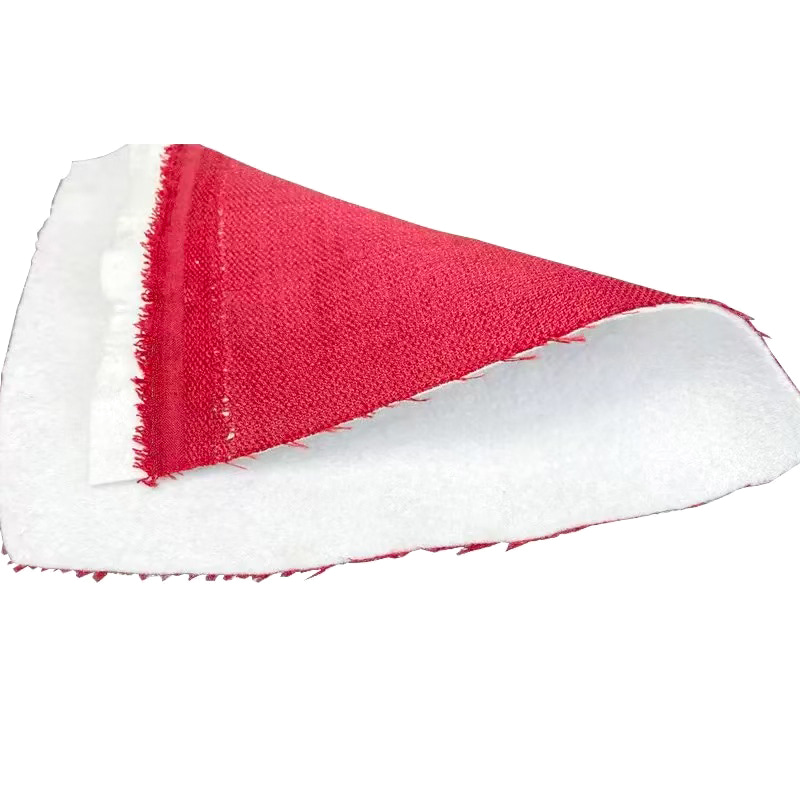
Industry Knowledge
Structural Synergy and Mechanical Interlocking in Composite Needle-Punched Nonwovens
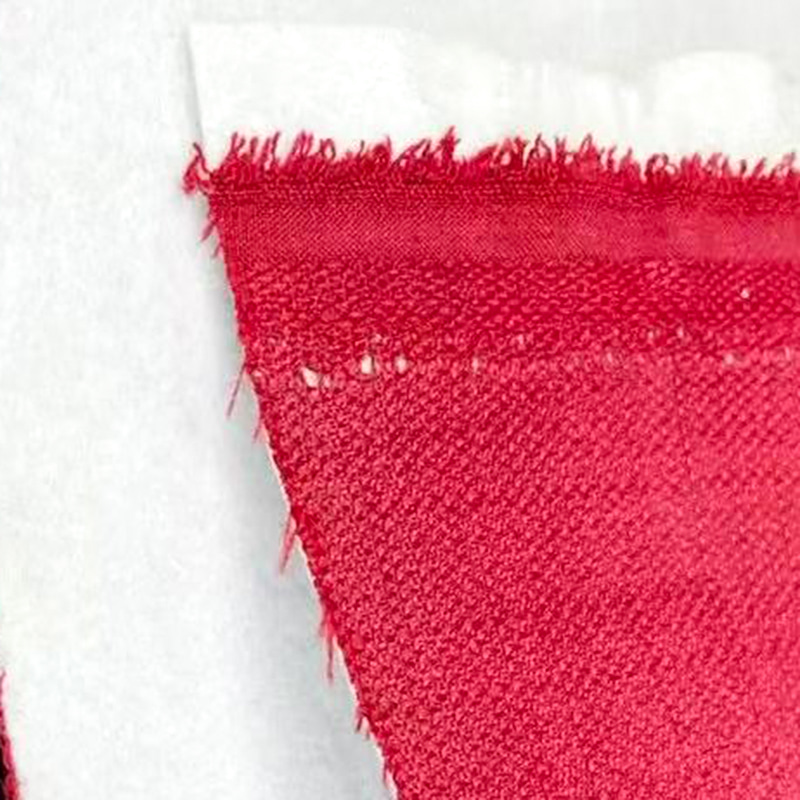
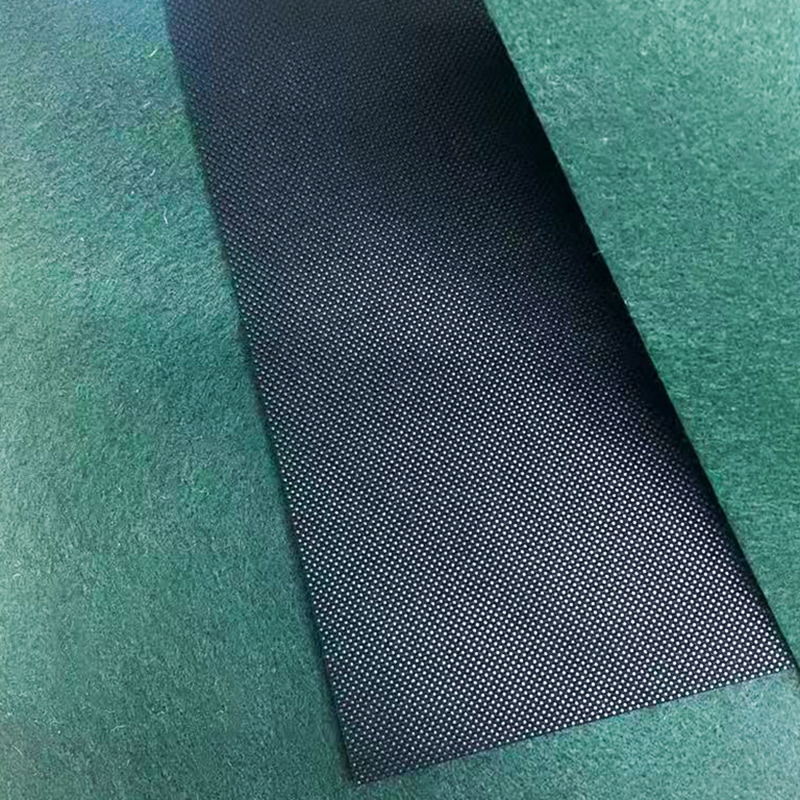
The engineering of Composite Needle-Punched Nonwovens relies on the precise mechanical interlocking of disparate fibrous layers or fiber blends to achieve synergistic performance characteristics unattainable by single-component webs. By feeding a high-tenacity spunbond or woven scrim alongside a carded batt through the loom, the barbed needles physically drive the surface fibers into the core substrate, creating a unified, multi-axial matrix. This structural integration is highly constructive for applications requiring exceptional dimensional stability and tear resistance, such as heavy-duty geotextiles and synthetic leather base cloths. The critical manufacturing parameter here is the needle penetration depth and barb geometry, which must be meticulously calibrated to ensure adequate fiber migration across the interface without causing excessive fiber breakage or compromising the tensile strength of the reinforcing scrim.
Gradient Density Architectures for Advanced Filtration Efficiency
In advanced filtration and medical-grade applications, Composite Needle-Punched Nonwovens are engineered with gradient density architectures to optimize particulate capture and fluid dynamics. A typical high-performance configuration involves a coarse, highly porous primary layer bonded to a micro-denier, ultra-fine secondary layer. The needle-punching process mechanically anchors these distinct layers, preventing delamination under high-pressure differentials. This gradient structure allows the material to capture large particulates on the surface while the finer inner matrix traps sub-micron contaminants, significantly extending the service life of the filter and reducing the frequency of pulse-jet cleaning cycles. The selection of fiber polymers—such as blending hydrophilic viscose with hydrophobic polyester—further tailors the composite's wettability and chemical resistance for specific industrial gas or liquid filtration environments.
Acoustic and Thermal Optimization in Automotive Interiors
For automotive interior fabrics, combining a dense, mass-loaded needle-punched layer with a lightweight, highly lofted thermal-bonded nonwoven creates an optimal acoustic and thermal barrier. The mechanical needling ensures the low-density acoustic layer remains securely attached to the decorative facing fabric, even under the severe vibrational stresses and thermal cycling experienced inside a vehicle cabin, effectively eliminating the risk of layer separation over the vehicle's lifecycle.
Commitment to Quality and Sustainable Manufacturing Excellence
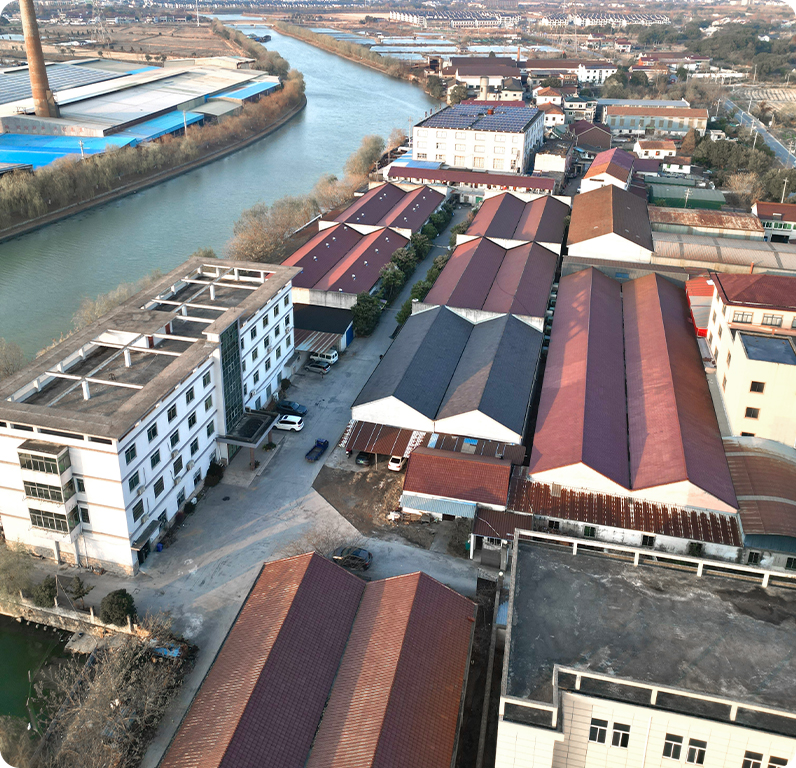
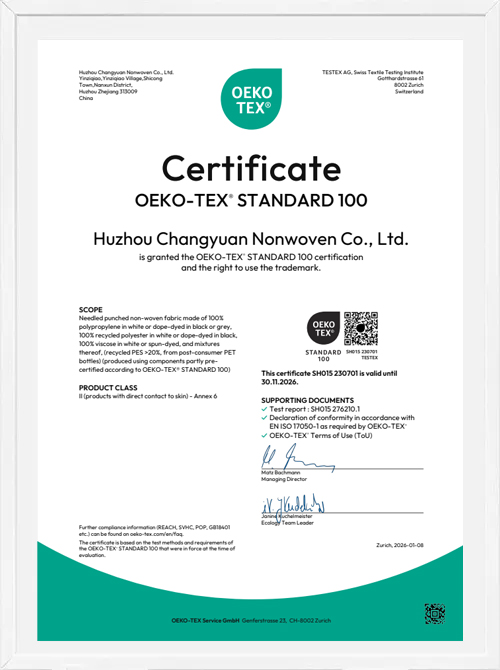
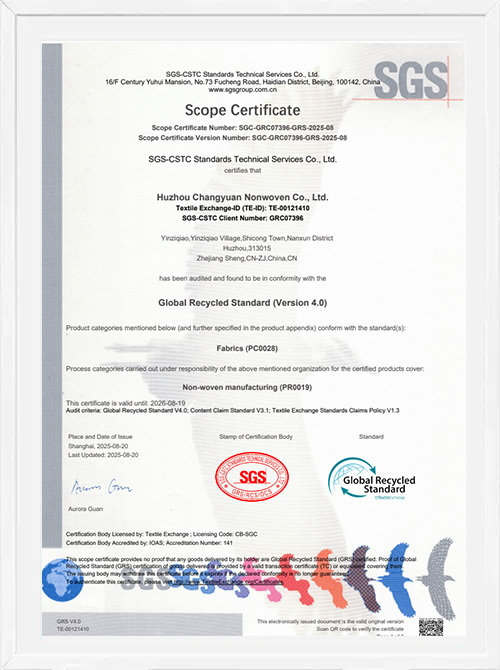
Huzhou Changyuan Nonwoven Co., Ltd. is situated in Zhejiang Province, with close proximity to Shanghai Port—an advantage that ensures efficient cargo delivery. We specialize in the research, development, production and marketing of high-quality needle-punched nonwovens. Our products boast a broad application scope, covering sofa/mattress linings, carpets, automotive interior fabrics, geotextiles, and cleaning products. They also include medical-grade nonwovens, and are further suitable for filtration, agricultural uses, and beyond. Our materials have earned GRS(Global Recycled Standard) and OEKO-TEX® certifications, upholding quality and sustainability. We warmly welcome domestic and foreign partners for win-win collaboration.
Critical Manufacturing Parameters for Composite Integration
- Needle Penetration Depth: Dictates the degree of fiber entanglement between composite layers; insufficient depth leads to interfacial slippage, while excessive depth causes fiber fracture and weakens the overall web.
- Barbed Needle Configuration: The arrangement and shape of the barbs (e.g., conical, coronal, or triangular) determine the direction and efficiency of fiber transfer during the punching cycle, directly impacting the fabric's z-directional strength.
- Layer Feed Ratio: The precise synchronization of the unwinding speeds for each composite layer ensures uniform grammage and prevents structural weak points, wrinkling, or uneven tension across the fabric width.
- Punching Density (Strokes per cm²): Balances the structural cohesion of the composite with the preservation of the individual layers' inherent porosity and flexibility.
| Composite Configuration | Primary Structural Advantage | Target Industry Application |
| Spunbond + Carded Batt | High tensile strength with excellent surface uniformity | Synthetic leather base, roofing membranes |
| Coarse Pre-filter + Micro-denier Web | Gradient density for high dust holding capacity | Industrial liquid/gas filtration, HVAC systems |
| Mass-loaded Layer + High-loft Acoustic Web | Superior sound dampening and thermal insulation | Automotive interior fabrics, architectural panels |
 Tel: +86 15700112297
  WhatApp: +86 15700112297
  E-mail:
  Yinziqiao Village, Shicong Town, Nanxun District, Huzhou City, Zhejiang Province, China