English
 中文简体
中文简体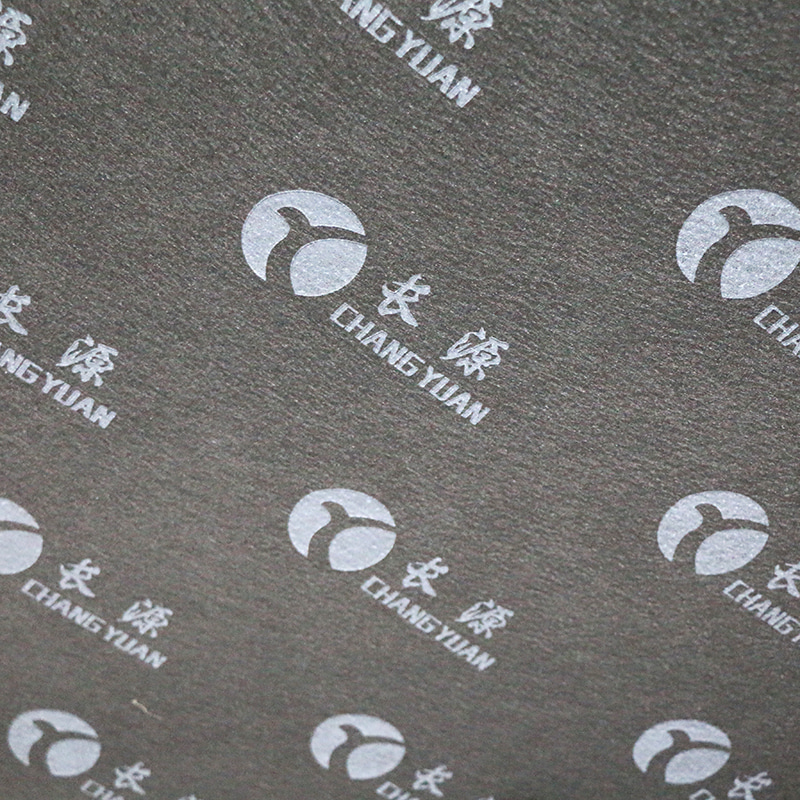
Industry Knowledge
Technical Nuances of Screen Printed Needle-Punched Non-Woven Fabric
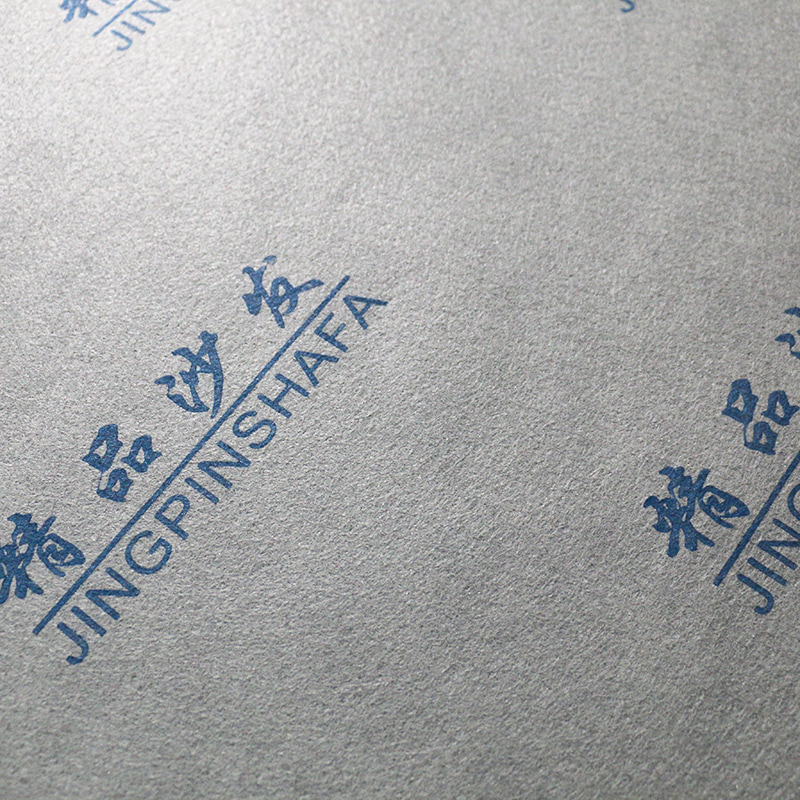
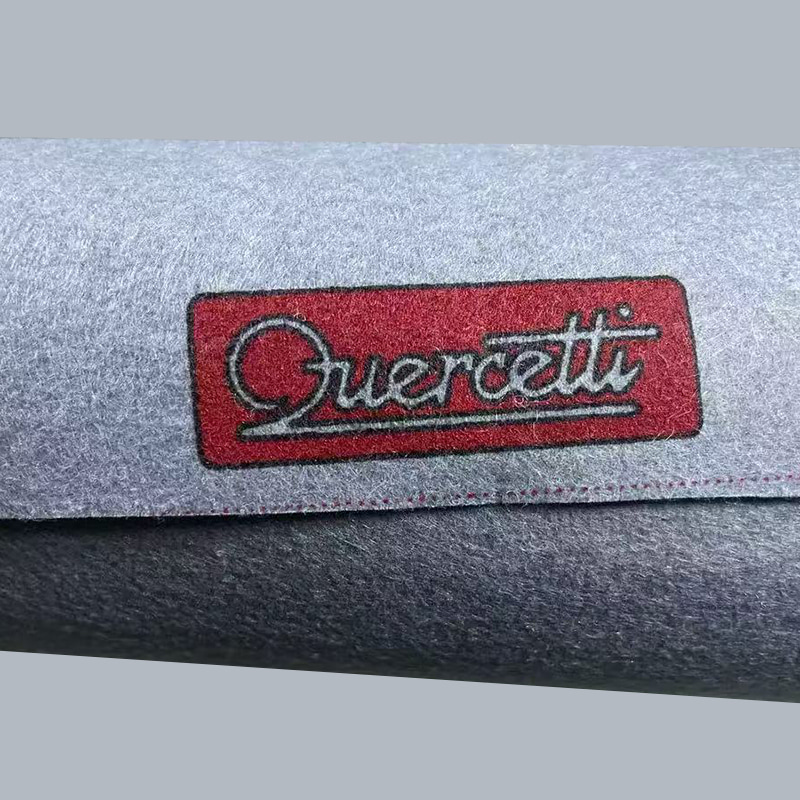
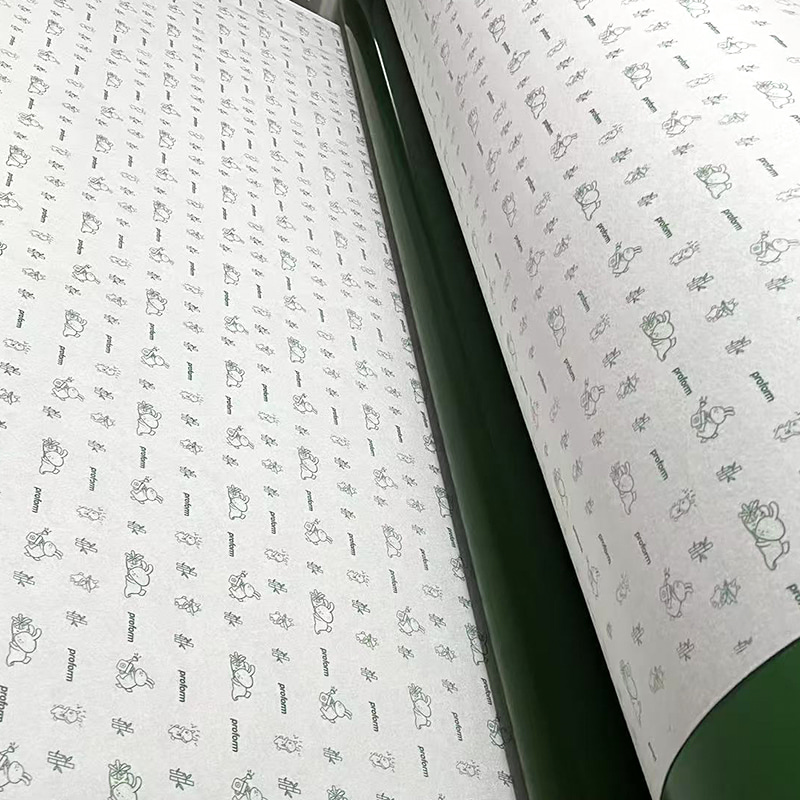
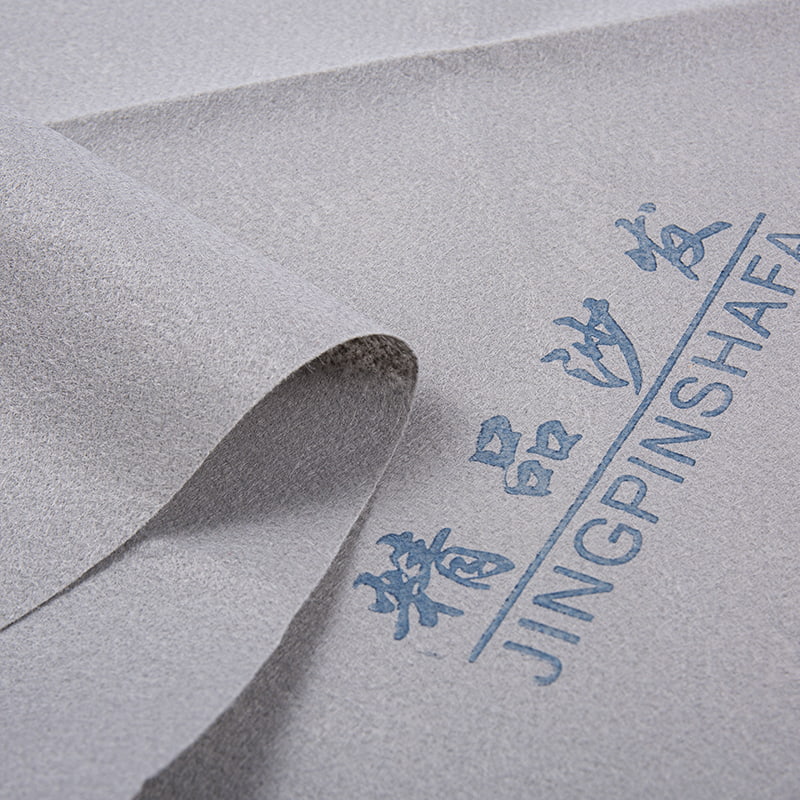
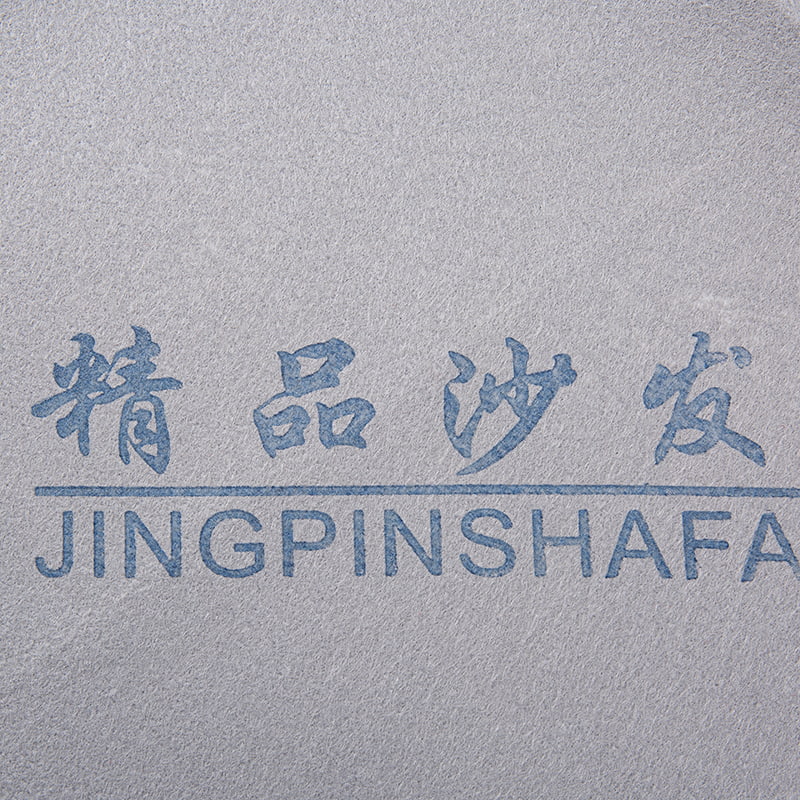
The application of ink on porous substrates requires precise calibration, making Screen Printed Needle-Punched Non-Woven Fabric a specialized choice for high-durability branding. Unlike woven textiles, the fibrous, open structure of needle-punched materials can cause ink bleeding if the viscosity and mesh count are not meticulously matched. Industrial screen printing on these fabrics typically utilizes high-solid plastisol or specialized water-based acrylic inks that sit on the fiber surface rather than penetrating deeply, ensuring vibrant color retention and abrasion resistance. This method is particularly constructive for manufacturing heavy-duty reusable tote bags, industrial wiping cloths, and promotional event materials where bold, opaque graphics must withstand repeated mechanical stress and washing cycles without degrading.
Precision and Versatility in Digital Printed Needle-Punched Non-Woven Fabric
Advancements in inkjet technology have revolutionized how complex imagery is applied to nonwovens, positioning Digital Printed Needle-Punched Non-Woven Fabric as the premier solution for short-run, high-detail applications. This process eliminates the need for physical screens, allowing for photorealistic gradients, intricate patterns, and variable data printing directly onto the substrate. The key technical consideration lies in the pre-treatment of the fabric; a specialized coating is often applied to control ink dot gain and enhance color gamut. Consequently, this technology is highly favored for custom exhibition backdrops, acoustic panel coverings in architectural design, and limited-edition decorative carpets, where visual fidelity and rapid turnaround times are critical to project success.
Strategic Specifications for Custom Printed Needle-Punched Nonwovens
When procuring Custom Printed Needle-Punched Nonwovens, buyers must look beyond aesthetic appeal and evaluate the foundational material properties that dictate print performance and end-use functionality. The grammage (GSM), fiber composition (such as 100% polyester versus polypropylene), and the specific needle-punching density directly influence how the fabric accepts ink and handles post-printing finishing processes like heat setting or lamination. Furthermore, for applications in consumer-facing or regulated industries, verifying that the base material and printing inks comply with stringent environmental and safety standards is non-negotiable.
Critical Evaluation Criteria for Custom Orders
- Substrate Porosity and Absorbency: Dictates the required ink volume and drying time to prevent smudging or feathering on the nonwoven surface.
- Dimensional Stability: Ensures the fabric does not warp or shrink during the high-heat curing phases of the printing and finishing process.
- Eco-Certification Alignment: Guarantees that both the raw nonwoven material and the printing chemicals meet global sustainability and safety benchmarks.
Industry Background and Sustainable Manufacturing Excellence
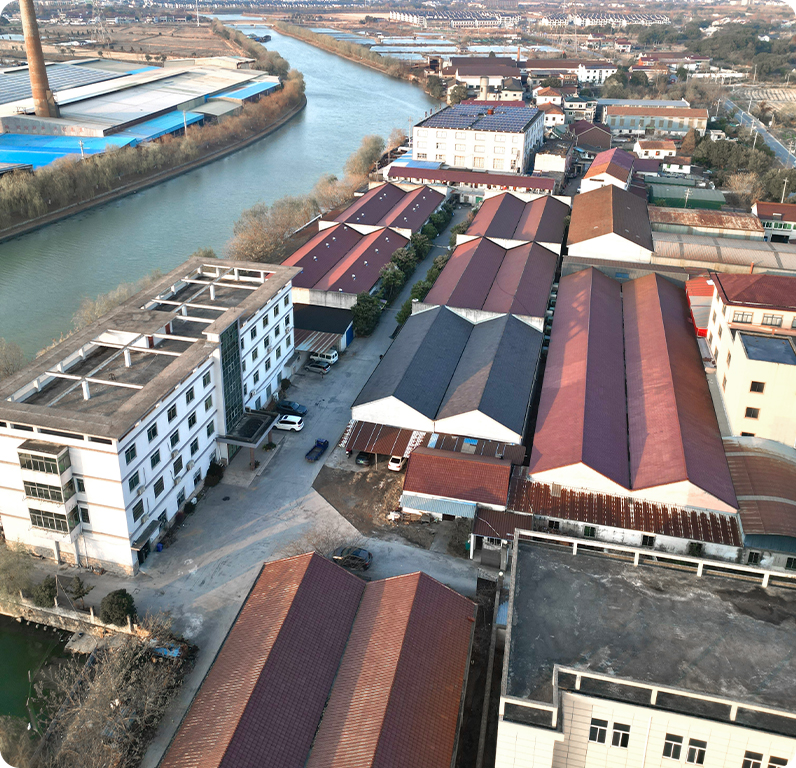
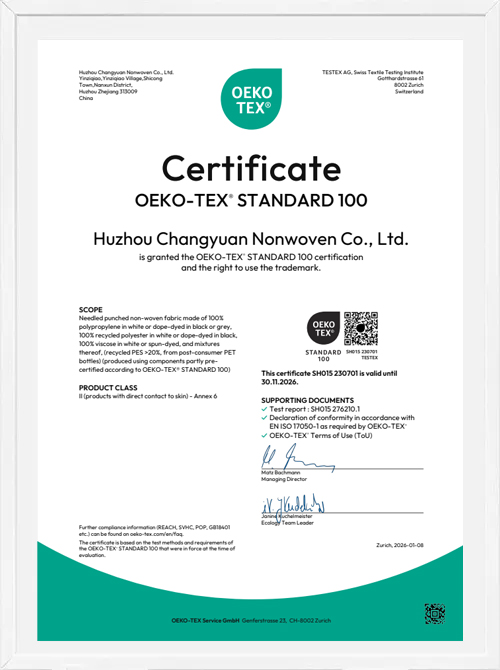
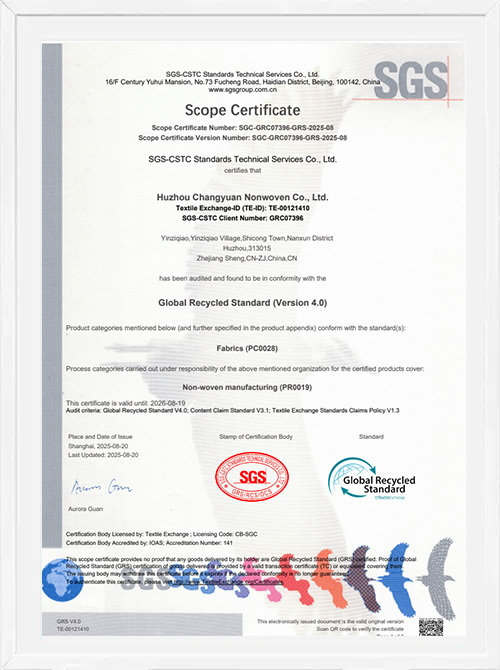
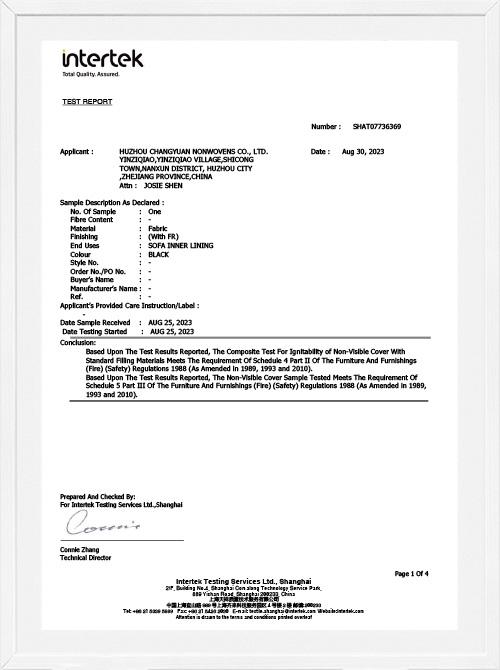
Huzhou Changyuan Nonwoven Co., Ltd. is situated in Zhejiang Province, with close proximity to Shanghai Port—an advantage that ensures efficient cargo delivery. We specialize in the research, development, production and marketing of high-quality needle-punched nonwovens. Our products boast a broad application scope, covering sofa/mattress linings, carpets, automotive interior fabrics, geotextiles, and cleaning products. They also include medical-grade nonwovens, and are further suitable for filtration, agricultural uses, and beyond. Our materials have earned GRS(Global Recycled Standard) and OEKO-TEX® certifications, upholding quality and sustainability. We warmly welcome domestic and foreign partners for win-win collaboration.
| Printing Method | Optimal Use Case | Key Technical Advantage |
|---|---|---|
| Screen Printing | High-volume promotional goods | Superior ink opacity and abrasion resistance |
| Digital Printing | Custom architectural and event decor | Photorealistic detail with no setup fees |
 Tel: +86 15700112297
  WhatApp: +86 15700112297
  E-mail:
  Yinziqiao Village, Shicong Town, Nanxun District, Huzhou City, Zhejiang Province, China