Industry Knowledge
Hydraulic and Filtration Mechanics of Nonwoven Geosynthetics
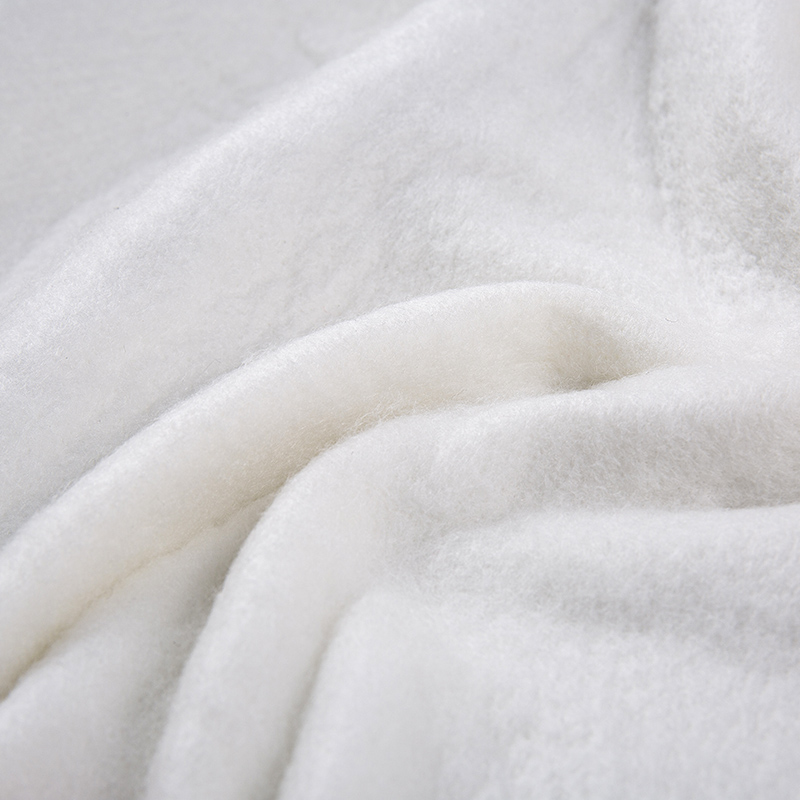
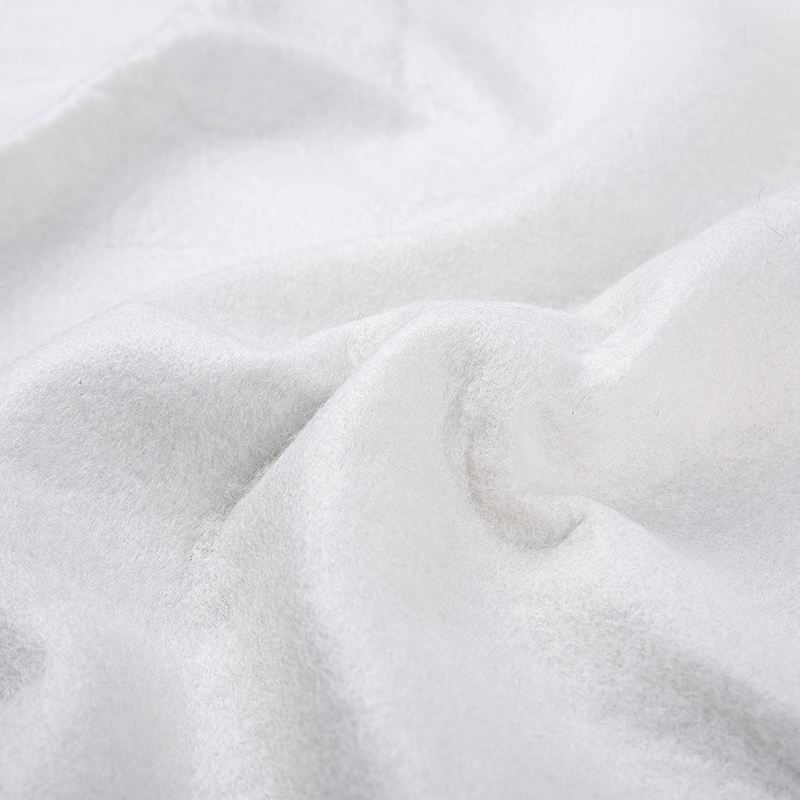
The fundamental role of a Geotextile in civil engineering extends far beyond simple separation; it acts as a critical hydraulic filter that maintains soil integrity while permitting fluid flow. A high-quality Needle Punched Geotextile achieves this through its complex three-dimensional pore structure, which is created by the mechanical entanglement of continuous or staple fibers. This intricate network provides a high gradient ratio, ensuring that fine soil particles are retained within the subgrade while water can freely pass through the plane of the fabric. This filtration mechanism prevents internal erosion, or piping, which is a primary cause of structural failure in dams, retaining walls, and drainage trenches.
Permeability and Clogging Resistance
Long-term hydraulic performance depends on the material's ability to resist blinding or clogging under sustained soil pressure. The non-directional orientation of fibers in needle-punched structures creates a tortuous path for water, effectively reducing the velocity of seepage and allowing suspended fines to settle without blocking the primary flow channels. This ensures that the drainage capacity of the surrounding aggregate or soil remains uncompromised over the lifespan of the infrastructure project.
Mechanical Reinforcement and Load Distribution in Infrastructure
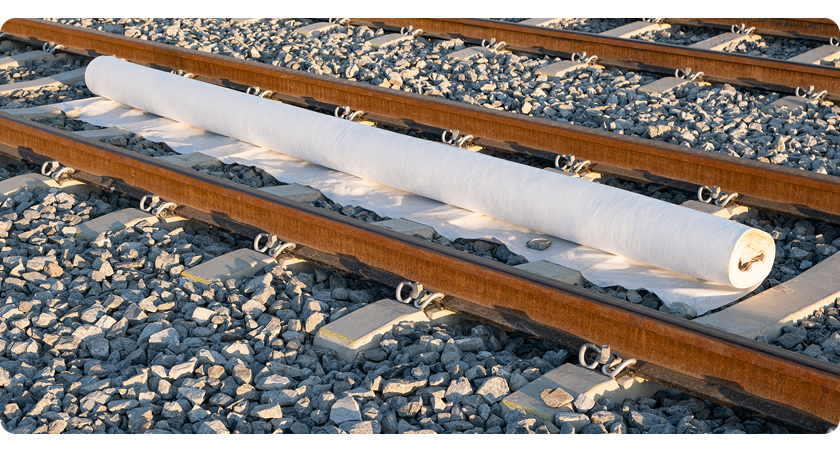
When utilized as a separation and reinforcement layer, Needle Punched Geotextile Fabric significantly enhances the structural lifespan of unpaved roads and railway embankments. The mechanical interlocking between the rough texture of the nonwoven surface and the angular aggregate above it creates a confined composite material. This confinement restricts the lateral movement of the base course under dynamic traffic loads, effectively distributing the applied stress over a wider area of the weak subgrade and reducing the required thickness of the imported aggregate.
Puncture and Tensile Performance
The installation environment often presents sharp rocks and debris that can compromise the integrity of the barrier. The dense fiber web of needle-punched variants offers exceptional puncture resistance, protecting underlying geomembranes from mechanical damage during the placement of heavy aggregate layers. Furthermore, the high tensile modulus ensures the material maintains its dimensional stability without stretching or tearing under heavy static loads, preserving the structural separation between distinct soil horizons.
Manufacturing Precision and Global Supply Chain Integration
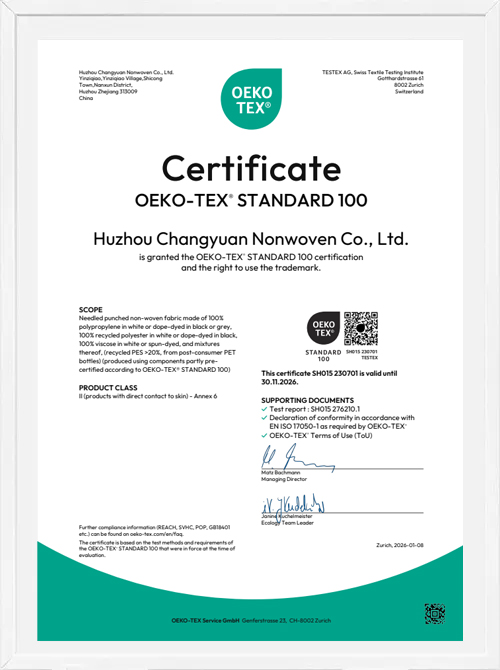
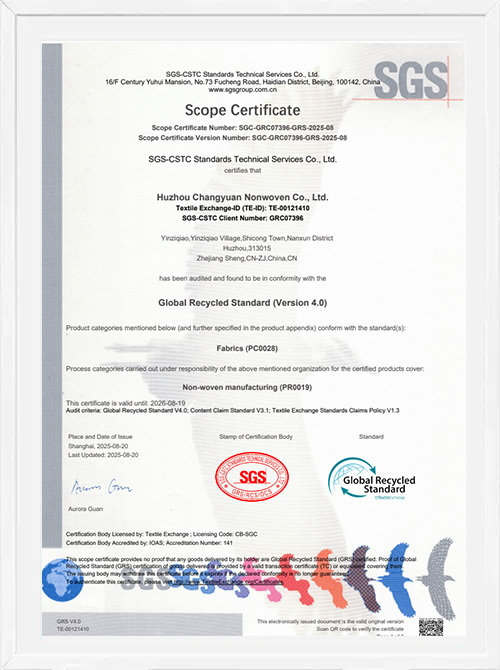
Delivering consistent performance across diverse infrastructure projects requires rigorous manufacturing controls and a robust logistical framework. Huzhou Changyuan Nonwoven Co., Ltd. is situated in Zhejiang Province, with close proximity to Shanghai Port—an advantage that ensures efficient cargo delivery. We specialize in the research, development, production and marketing of high-quality needle-punched nonwovens. Our products boast a broad application scope, covering sofa/mattress linings, carpets, automotive interior fabrics, geotextiles, and cleaning products. They also include medical-grade nonwovens, and are further suitable for filtration, agricultural uses, and beyond. Our materials have earned GRS (Global Recycled Standard) and OEKO-TEX® certifications, upholding quality and sustainability. We warmly welcome domestic and foreign partners for win-win collaboration.
Sustainable Material Sourcing
The integration of recycled polymers into the production line reduces the carbon footprint of large-scale earthworks. By utilizing post-consumer or post-industrial recycled PET, manufacturers can produce high-strength geosynthetics that meet stringent environmental standards without sacrificing mechanical durability, aligning civil engineering projects with global green building certifications.
Technical Specifications and Application Matrix
Selecting the appropriate mass per unit area and thickness is critical for optimizing the cost-effectiveness and performance of any geotechnical design. The physical properties of the nonwoven matrix dictate its suitability for specific stress environments, ranging from lightweight drainage wraps to heavy-duty cushioning layers in landfill construction. The following matrix outlines the typical physical parameters and corresponding primary applications for various grades of needle-punched nonwoven materials.
| Mass per Unit Area |
Typical Thickness |
Primary Function |
Target Application Environment |
| 150 - 200 g/m² |
1.0 - 1.5 mm |
Separation & Filtration |
Unpaved roads, agricultural drainage trenches |
| 200 - 300 g/m² |
1.5 - 2.5 mm |
Reinforcement & Protection |
Railway embankments, geomembrane protection layers |
| 300 - 500 g/m² |
2.5 - 4.0 mm |
Heavy-Duty Cushioning |
Landfill liners, heavy load bearing platforms |
| > 500 g/m² |
> 4.0 mm |
Erosion Control & Stabilization |
Coastal revetments, steep slope stabilization |
```


 English
 中文简体
中文简体 Furniture
 Carpet
 Automotive
 Composite
 Geosynthetics
 Medical
 Filtration
 Cleaning Supplies
 Building Industry
 Agricultural Use
 Consumer Goods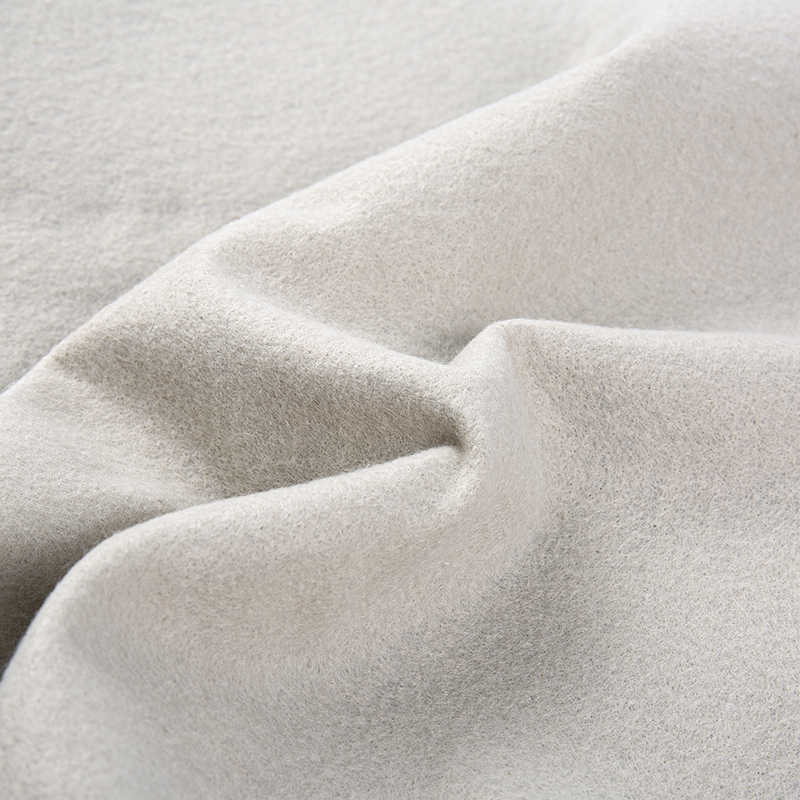
 Tensile Strength (800 n/m)
 Superior Drainage
 UV & Chemical Resistant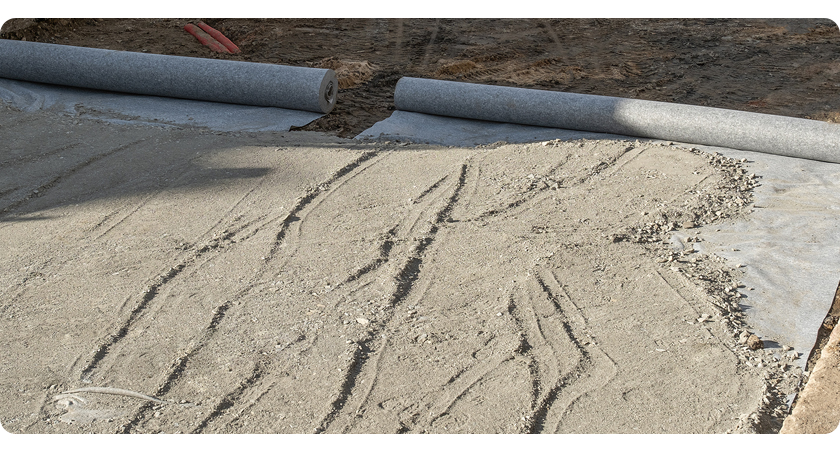
 Tel: +86 15700112297
  WhatApp: +86 15700112297
  E-mail:
  Yinziqiao Village, Shicong Town, Nanxun District, Huzhou City, Zhejiang Province, China