English
 中文简体
中文简体Content
- 1 What Needle-Punch Nonwoven Fabrics Are and How They Are Made
- 2 Core Automotive Applications of Needle-Punch Nonwoven Fabrics
- 3 Performance Specifications Commonly Required in Automotive Grades
- 4 Fiber Selection and Its Impact on End-Use Performance
- 5 Sustainability Trends Reshaping Automotive Nonwoven Specifications
What Needle-Punch Nonwoven Fabrics Are and How They Are Made
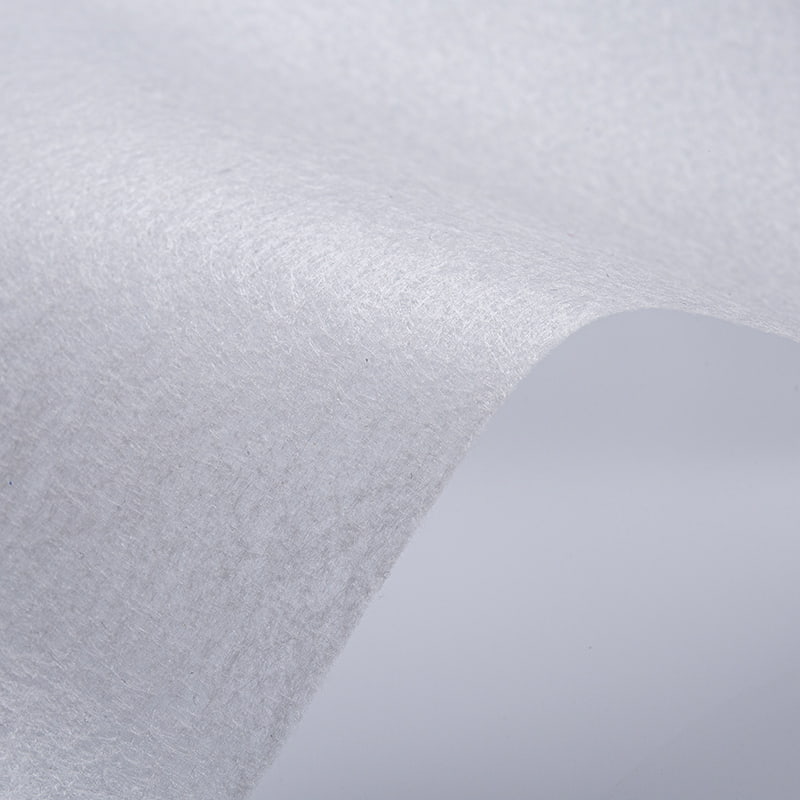
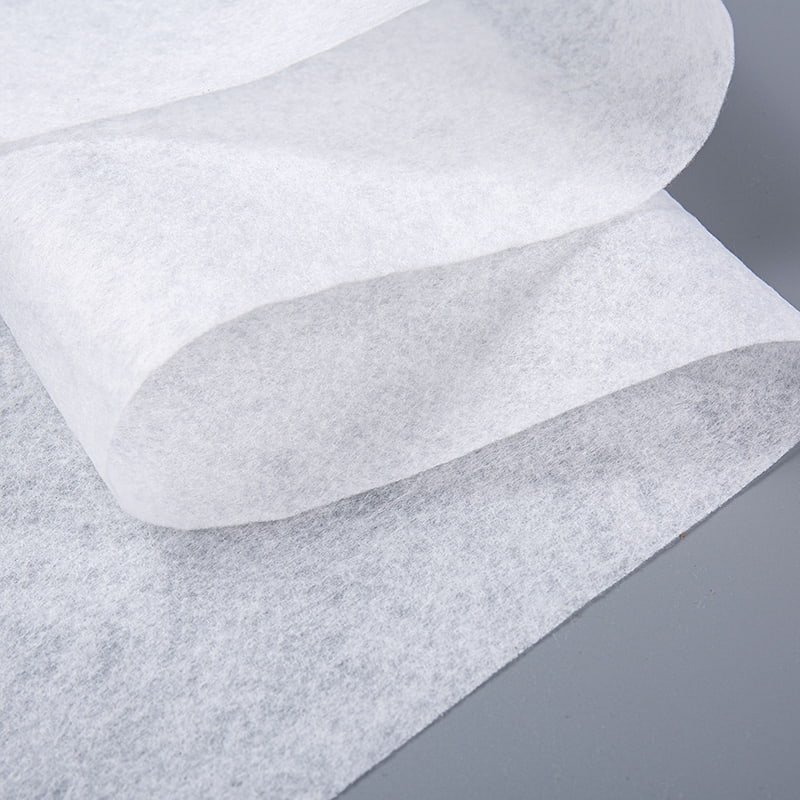
Needle-punch nonwoven fabrics are engineered textile materials produced by mechanically entangling fibers using barbed needles rather than weaving or knitting. In the manufacturing process, loose fiber webs — typically composed of polyester, polypropylene, nylon, or blended staple fibers — are fed into a needle-loom where thousands of barbed needles penetrate the web repeatedly at high speed. Each needle stroke pulls fibers downward and interlocks them with adjacent layers, creating a dense, cohesive mat without the use of any adhesive or thermal bonding agent. The resulting fabric can be produced at thicknesses ranging from 1 mm to over 20 mm, with densities and fiber orientations tailored to specific performance targets.
For automotive applications, this manufacturing method offers a decisive advantage: the process parameters — needle penetration depth, stroke frequency, fiber blend ratio, and web layering sequence — can be adjusted independently to produce materials with precisely controlled tensile strength, compression resilience, sound absorption coefficient, and thermal resistance. These tunable properties are exactly what vehicle engineers require when specifying interior and underbody components that must meet durability, safety, and comfort standards across the full service life of a vehicle.
Core Automotive Applications of Needle-Punch Nonwoven Fabrics
Needle-punch nonwovens appear in more vehicle locations than most consumers realize. Their combination of lightweight structure, acoustic performance, and formability makes them suitable for a wide range of interior and structural roles.
Carpet Systems and Floor Coverings
Automotive floor carpets represent the highest-volume application for needle-punch nonwoven technology. A typical floor carpet system consists of a needle-punched face layer — often using a blend of polyester and nylon fibers for abrasion resistance and color retention — laminated to a heavy needle-punched backing layer that provides dimensional stability and acts as a secondary sound barrier. The backing layer is frequently loaded with bitumen or heavy-mass vinyl compounds to increase surface density without adding bulk. The combined system is then thermoformed under heat and pressure to match the complex contours of the vehicle floor pan, requiring the needle-punched layers to exhibit sufficient elongation without tearing at draw points around transmission tunnels and seat mounting brackets.
Trunk Liners and Load Floor Coverings
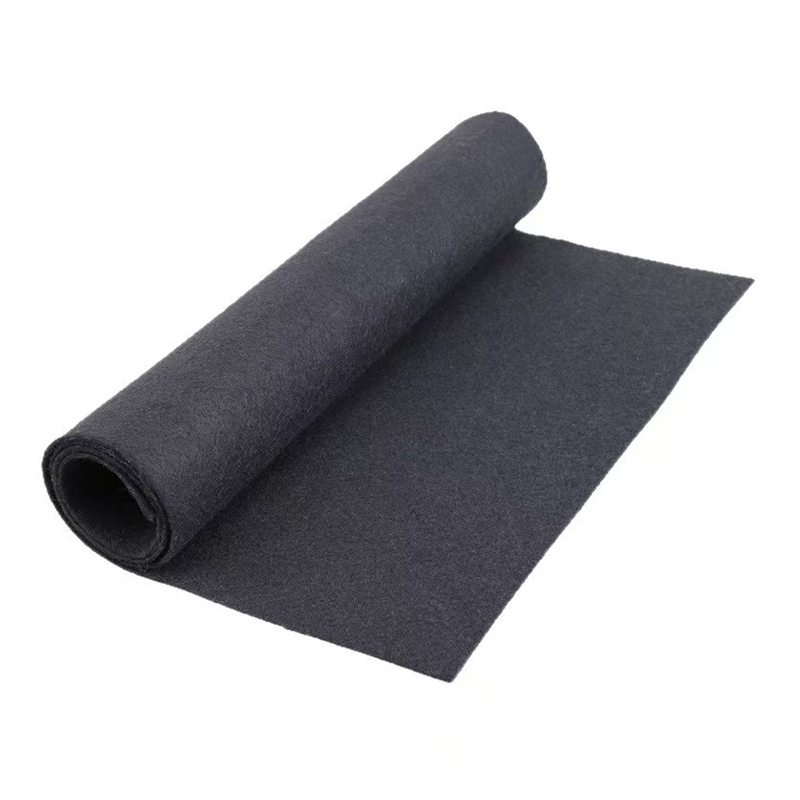
Trunk and cargo area liners use needle-punch nonwovens primarily for their ability to resist scuffing, absorb impact energy from shifting luggage, and maintain a clean appearance across years of use. Materials in this zone are specified with higher surface fiber density and tighter needle punch patterns to resist pilling and fiber pull-out under repeated abrasion. Many trunk liner systems also incorporate a lightweight polyurethane foam or fibrous batt laminated behind the nonwoven face to add a degree of cushioning and further reduce load area noise transmission into the cabin.
Underbody Shields and Wheel Arch Liners
Exterior-facing underbody components demand needle-punch nonwovens engineered for resistance to moisture absorption, road debris impact, temperature cycling, and chemical exposure from road salts and fluids. High-density polyester needle-punch felts are commonly used here, often finished with a hydrophobic treatment or laminated to a thermoplastic film backing that prevents water retention while maintaining the material's acoustic damping function. These components reduce the broadband road noise spectrum that would otherwise radiate through the floor structure into the passenger compartment.
Headliners and Roof Insulation
Needle-punch nonwovens used in headliner systems serve a dual function: they act as a substrate for decorative fabric or foam-backed cover materials, and they contribute to thermal and acoustic insulation between the roof panel and the passenger cabin. Automotive headliner substrates require materials with low basis weight — typically 200 to 400 g/m² — combined with adequate rigidity after thermoforming to prevent sag over time at elevated cabin temperatures. Specialty bicomponent fiber blends, where a core-sheath fiber structure allows partial melting of the sheath component to create a self-bonding matrix during molding, are widely used in this application to meet these requirements.
Performance Specifications Commonly Required in Automotive Grades
Automotive needle-punch nonwoven fabrics must meet a defined set of performance criteria before approval for vehicle production. The table below outlines the key specifications typically evaluated during supplier qualification:
| Performance Parameter | Typical Test Method | Typical Requirement Range |
| Tensile Strength (MD/CD) | ISO 9073-3 | ≥ 300 / 200 N/5cm |
| Abrasion Resistance (Martindale) | ISO 12947-2 | ≥ 25,000 cycles (Grade 3 min.) |
| Sound Absorption Coefficient (NRC) | ASTM C423 / ISO 354 | 0.35–0.75 (application-dependent) |
| Heat Aging Dimensional Stability | DIN 75200 / OEM specs | ≤ 2% shrinkage at 100°C / 24h |
| VOC Emissions (TVOC) | VDA 278 / GMW 15634 | ≤ 100 μg/g TVOC |
| Flammability | FMVSS 302 / ISO 3795 | Burn rate ≤ 100 mm/min |
OEM material engineers often layer additional requirements on top of these baseline tests, including resistance to specific cleaning agents, UV light fastness for exposed trim areas, and cold flexibility testing down to −30°C for components installed in door panels or cargo zones exposed to winter temperatures.
Fiber Selection and Its Impact on End-Use Performance
The fiber composition of an automotive needle-punch nonwoven determines a large portion of its functional character. The following fiber types are most commonly specified in vehicle applications:
- Polyester (PET): The most widely used fiber in automotive nonwovens due to its balance of tensile strength, dimensional stability, UV resistance, and relatively low moisture absorption. Recycled PET derived from post-consumer bottles is increasingly specified by OEMs committed to sustainability targets, with recycled content levels of 50–100% now achievable in production-grade materials without sacrificing performance.
- Polypropylene (PP): Preferred for underbody and wheel arch applications where moisture resistance is paramount. PP fibers are inherently hydrophobic, have low density (contributing to lightweight part construction), and resist most automotive fluids. However, PP has lower melting point and UV stability compared to PET, limiting its use in high-temperature or exposed exterior zones without stabilizer additives.
- Bicomponent Fibers (BiCo): Core-sheath or side-by-side bicomponent fibers allow needle-punch nonwovens to be thermoformed into rigid or semi-rigid shapes. During molding, the lower-melting sheath component softens and flows around adjacent fibers, locking the structure in place upon cooling. This eliminates the need for separate adhesive binders and reduces VOC emissions in the finished part.
- Recycled and Natural Fiber Blends: Kenaf, flax, and cotton fiber blends combined with PET or PP carriers are gaining traction in door panel and trunk liner substrates as OEMs seek bio-based content in structural composites. These blends offer good stiffness-to-weight ratios after compression molding and reduce reliance on virgin synthetic inputs.
Sustainability Trends Reshaping Automotive Nonwoven Specifications
The automotive industry's shift toward end-of-life recyclability and reduced vehicle carbon footprint is directly influencing how needle-punch nonwoven fabrics are designed and sourced. Single-polymer constructions — where both the fiber and any laminate backing are made from the same resin family — are increasingly preferred because they allow carpet and trim components to be recycled through standard polymer streams at vehicle end of life, avoiding the costly separation steps required for multi-material laminate systems.
Several leading Tier 1 automotive interior suppliers have also developed closed-loop programs where production trim waste and post-consumer carpet scrap from vehicle dismantlers are reprocessed into recycled fiber for new needle-punch nonwoven production. These programs reduce raw material cost, lower the carbon intensity of the finished part, and support OEM reporting against corporate sustainability commitments. For procurement teams evaluating needle-punch nonwoven suppliers, a supplier's ability to document recycled content percentages, provide verified emission declarations under VDA 278 or equivalent standards, and demonstrate compliance with REACH substance restrictions has become as important as price and delivery performance in the sourcing decision.
 Tel: +86 15700112297
  WhatApp: +86 15700112297
  E-mail:
  Yinziqiao Village, Shicong Town, Nanxun District, Huzhou City, Zhejiang Province, China