English
 中文简体
中文简体Content
Every sofa that leaves a furniture factory depends on materials that most customers never see. Between the upholstery, the foam and the frame, needle punched nonwoven fabric quietly separates layers, holds cushion cores in place, stops dust migration and adds structure to the seat. For furniture manufacturers, the choice of needle punched nonwoven fabric for sofa construction shows up later in rejection rates, warranty claims and long-term seating comfort. The right specification protects your production line and your brand; the wrong one creates problems that are difficult to diagnose after the sofa is upholstered.
Why Sofa Manufacturers Choose Needle Punched Nonwoven Fabric
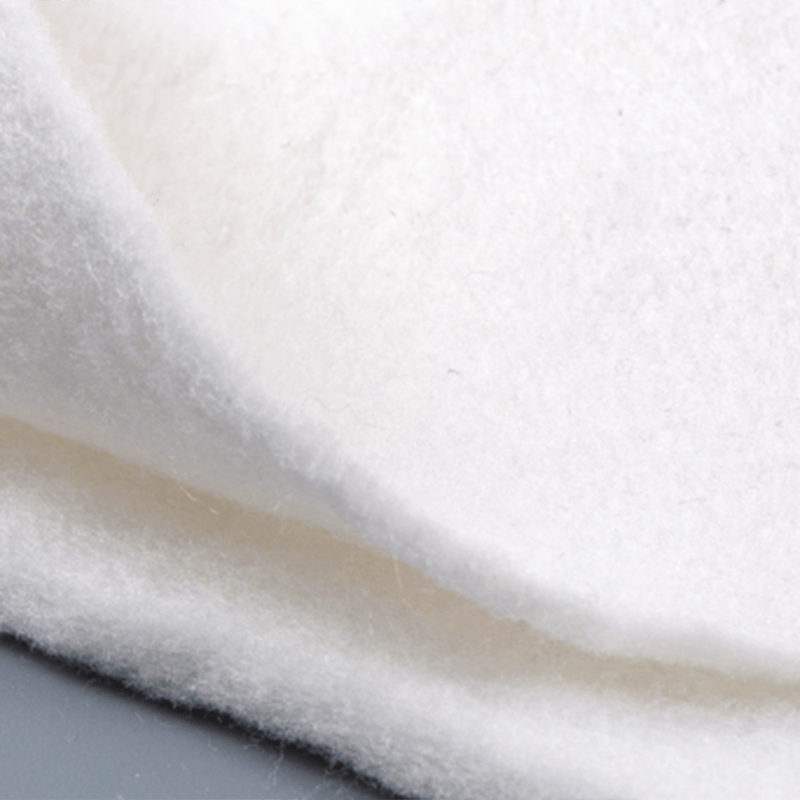
Needle punched nonwoven fabric has become a standard material in sofa construction because it delivers strength, breathability and dimensional stability without the cost of weaving or knitting. The fabric is formed by mechanically entangling staple fibres, so it needs no chemical binders and no woven structure. When a load is applied, the entangled fibre network distributes stress across a wide area, which is why needle-punched fabrics resist tearing and handle the repeated compression of daily sitting.
For sofa makers the practical benefits are straightforward: consistent thickness, controlled density, easy cutting and low cost per square metre. The material can also be produced with properties tailored to each position in the sofa, which is exactly why factories buy different specifications for dust barriers, cool cloth linings and spring bags instead of using one generic fabric everywhere.
How Needle Punched Nonwoven Fabric Is Made for Sofa Use
From Fibre Web to Mechanically Bonded Sheet
Polyester staple fibres are opened, blended and carded into a uniform web. The web then passes through a needle loom, where thousands of barbed needles punch through the fibre layer at high speed. Each barb catches loose fibres and drags them vertically, entangling the structure and turning a fragile web into a dense, stable fabric. This mechanical bonding gives the fabric the resilience and elongation properties that furniture components need.
Why Polyester Is the Common Fibre Choice
Sofa-grade needle punched nonwoven is usually made from 100 percent polyester, often in the form of PET staple fibre. Polyester offers low moisture absorption, natural resistance to mould and mildew, good resilience and a softer hand than most alternatives. It also responds well to dyeing, printing and lamination. Polypropylene is used in some cost-driven applications, but polyester remains the first choice where comfort, durability and surface quality matter. Suppliers with GRS certification can also offer recycled polyester content without changing the fabric's mechanical performance.
Grammage, Thickness and Finishing Options
Sofa components are typically specified in a grammage range of 80 to 400 gsm and a thickness of approximately 0.5 to 5 mm. Lower weights handle dust barriers and lining layers; heavier fabrics serve spring bags and structural reinforcement. Post-processing options add further flexibility: embossing changes surface texture, lamination adds barriers, quilting improves cushion feel, and flame-retardant treatment addresses fire-safety requirements. A supplier with in-house finishing capability can consolidate several steps and shorten your supply chain.
The Main Sofa Applications and Material Requirements
Every position in a sofa places different demands on the nonwoven layer. The table below maps the four most common uses and the properties that furniture procurement teams should verify before approving a specification.
| Application | Main function | Key properties | Typical weight |
|---|---|---|---|
| Dust barrier | Blocks dust and loose fibres from moving between cushion foam and upholstery | Dense surface, abrasion resistance, moderate stiffness | 100 to 200 gsm |
| Cool cloth lining | Breathable summer lining placed under the sofa cover | High air permeability, smooth surface, moisture management | 120 to 250 gsm |
| Cushion core wrap | Encases foam or fibre cushions to hold their shape and reduce friction | Tensile strength, elasticity, pilling resistance | 150 to 300 gsm |
| Spring bag fabric | Encapsulates springs and protects the outer fabric from puncture | High tear strength, controlled elongation, durability | 180 to 400 gsm |
Cool Cloth Linings and Dust Barriers
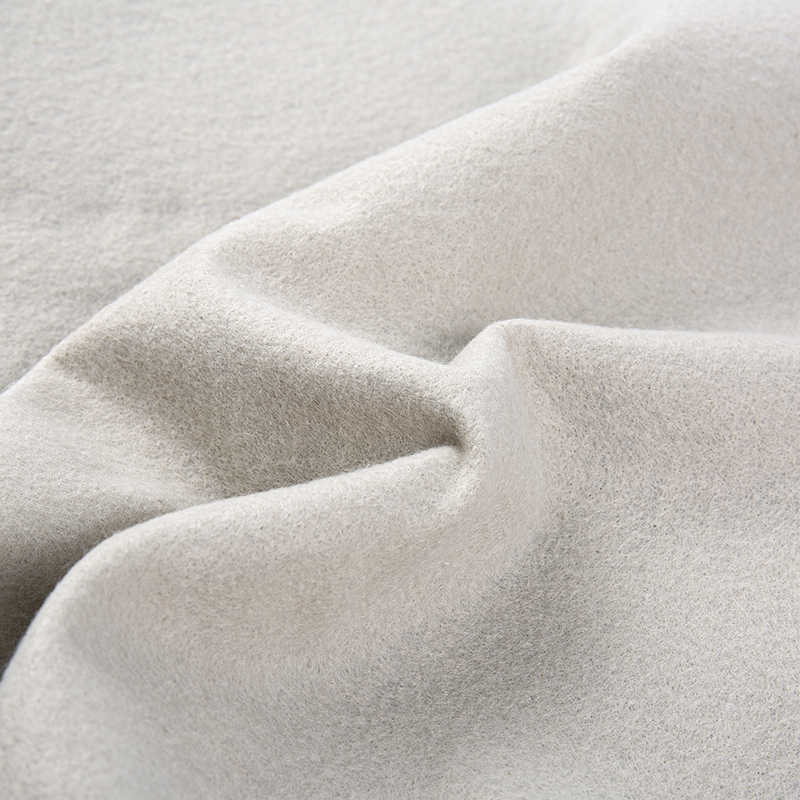
In warm climates, sofas need lining that does not trap heat or moisture against the body. A purpose-made breathable sofa cool cloth lining fabric is designed with higher air permeability so the seat stays cooler and less sticky in hot summer months. Dust barriers, by contrast, optimise density and surface coverage: they keep fine particles from migrating out of the cushion core and into the visible upholstery, which is often a source of customer complaints.
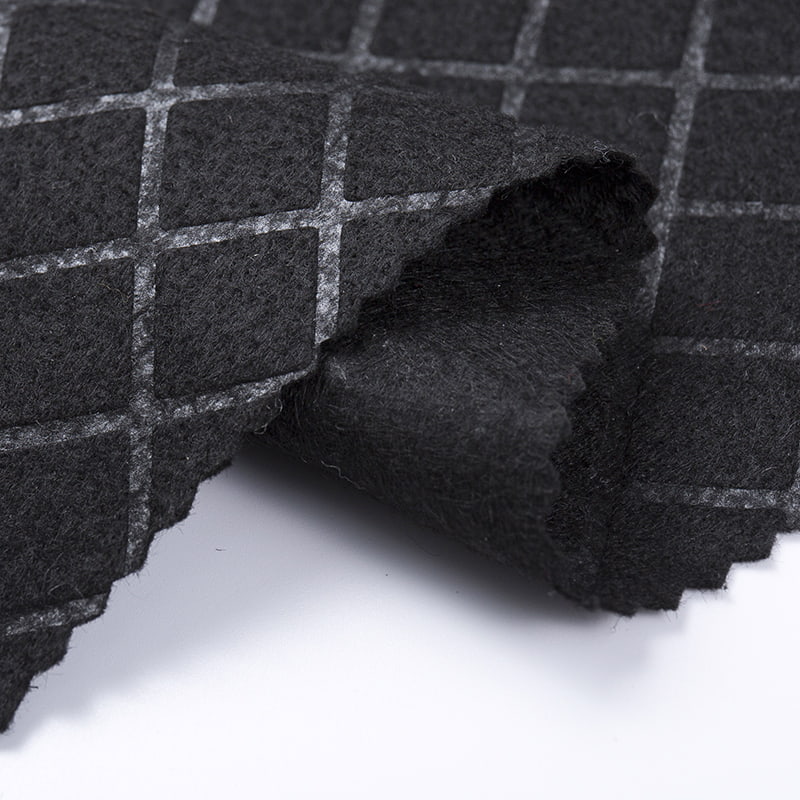 Sofa Lining Manufacturers, Sofa Needle-Punched Nonwoven Lining Fabric SuppliersAs Sofa Lining Manufacturers and Sofa Needle-Punched Nonwoven Lining Fabric Suppliers, Changyuan offer Wholesale Breathable Sofa Needle-P...View Product →
Cushion Cores and Spring Bags
Cushion cores are wrapped in a nonwoven layer so that foam does not rub directly against the fabric shell, which would lead to pilling and premature wear. A high-porosity sofa cushion core material allows air to escape when the cushion is compressed and return when it recovers, improving the feel of the seat while protecting the foam. Spring bags require the opposite approach: a dense, strong fabric with high tear resistance so that springs stay contained and quiet even after years of use.
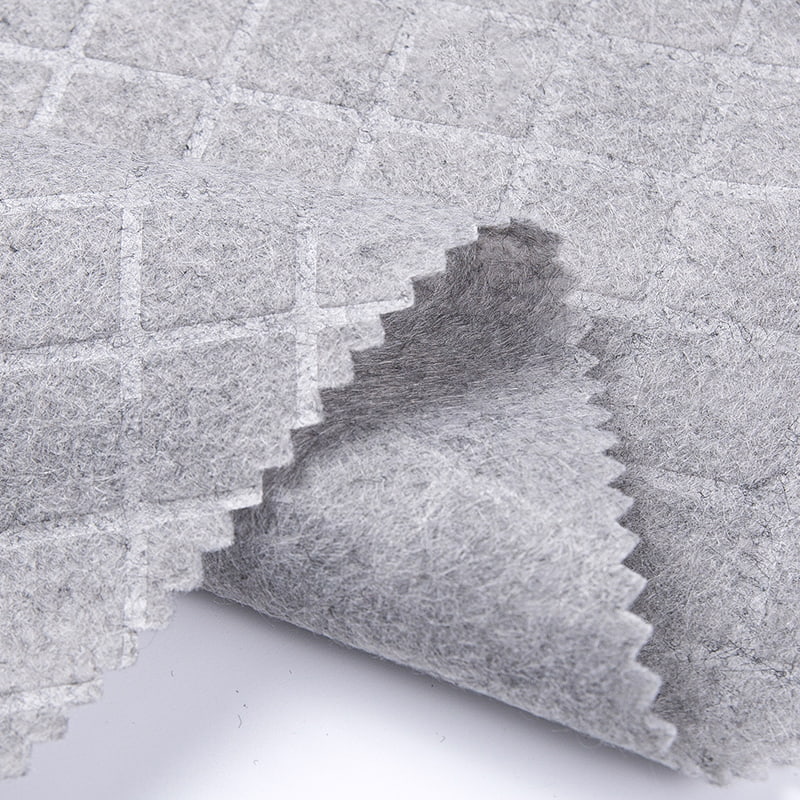 High Porosity Cool Cloth Sofa Cushion Core Material Suppliers, Factory - Huzhou As High Porosity Cool Cloth Sofa Cushion Core Material Suppliers and Factory in China, Changyuan offer Wholesale High Porosity Cool Cloth...View Product →
How to Select the Right Sofa Nonwoven Fabric
Confirm Physical Properties Against Your Seat Construction
Start with grammage and thickness, but do not stop there. The same weight can behave differently depending on fibre fineness, needle density and finishing. Ask for a cutting of the actual specification and check the points below before approving a batch.
- Tensile strength and elongation in both machine and cross directions, because the fabric will be cut and folded in different orientations.
- Air permeability, which directly affects cool cloth linings and breathable dust barriers.
- Thickness tolerance, because an uneven layer creates visible lines under thin upholstery.
- Abrasion and pilling resistance, especially for linings that sit directly under the sofa cover.
Moisture, Mould and Outdoor Considerations
Sofas sold into humid coastal cities, or intended for outdoor and semi-outdoor use, need a nonwoven layer that will not absorb water and promote mould growth. A waterproof sofa cover cool cloth fabric adds a moisture barrier that protects both the foam core and the outer upholstery, an important option when your target market includes high-humidity regions.
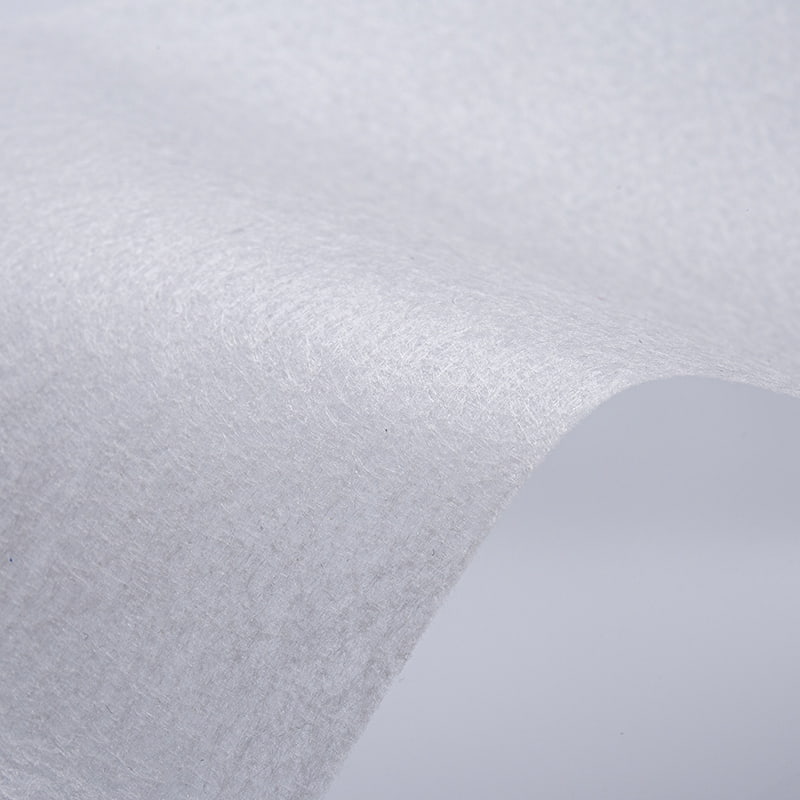 Waterproof Sofa Cover Cool Cloth Needle-Punched Nonwoven Fabric Suppliers, FactoAs Waterproof Sofa Cover Cool Cloth Needle-Punched Nonwoven Fabric Suppliers and Factory in China, Changyuan offer Wholesale Waterproof S...View Product →
Certifications Make the Sourcing Decision Easier
Two certifications matter most when buying needle punched nonwoven for furniture. GRS confirms that recycled polyester content is accurately tracked through the supply chain, which supports sustainability claims your customers may want to communicate. OEKO-TEX certification tests the fabric for harmful substances, which matters for materials that sit close to skin and for manufacturers exporting to Europe and North America.
Practical Sourcing Advice for Furniture Manufacturers
Before placing a production order, request multiple samples from different production runs and test them with the same cutting, stitching and upholstery processes you use in your factory. Establish clear tolerances for grammage, thickness and roll width, and agree on how rejected batches will be handled. Ask about custom finishing options such as embossing, quilting or flame-retardant treatment, because these are easier to solve at the fabric stage than at the sofa assembly stage.
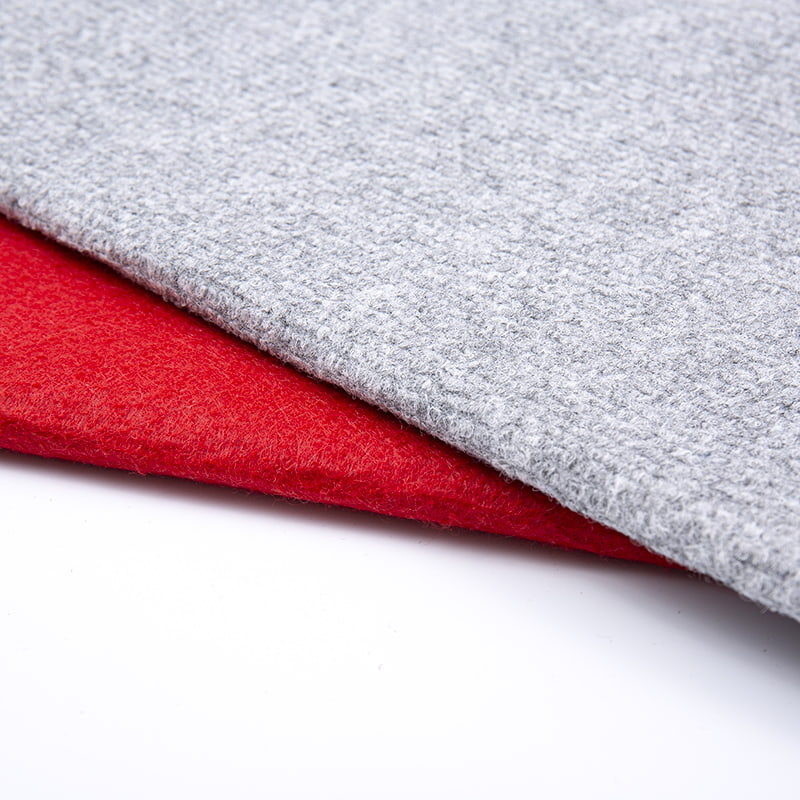
If you are comparing materials for different components, a broader guide to different types of nonwoven fabrics and their uses can help you position needle-punched fabric against spunbond and other alternatives. For visible sofa and chair surfaces, the easy-clean decorative nonwoven chair fabric guide covers how finish and colour affect cleaning behaviour, which matters when the same supplier also handles decorative materials. Working directly with a needle punched nonwoven fabric manufacturer that controls both production and finishing in-house shortens lead times and makes specification changes easier to manage.
Huzhou Changyuan Nonwoven, for example, produces polyester needle-punched nonwoven fabrics for furniture applications from a plant near Shanghai port, which simplifies export logistics. With over 200 employees, GRS and OEKO-TEX certified materials, and a catalogue that covers sofa linings, cushion cores, spring bags and mattress components, the company is the kind of supplier that furniture brands typically look for when they want one accountable partner instead of a chain of middlemen.
The Bottom Line
Needle punched nonwoven fabric is not a single product but a family of engineered materials, and the sofa industry uses almost every member of that family. Dust barriers, cool cloth linings, cushion core wraps, spring bags and structural reinforcement each need a specific balance of grammage, air permeability, tensile strength and elasticity. Choose each specification deliberately, test it against your own production process, and confirm that certifications match your export market. A small amount of technical attention at the material selection stage will save far more time than any inspection at the end of the sofa production line.
 Tel: +86 15700112297
  WhatApp: +86 15700112297
  E-mail:
  Yinziqiao Village, Shicong Town, Nanxun District, Huzhou City, Zhejiang Province, China