English
 中文简体
中文简体Content
- 1 What Are Automobile Needle-Punch Nonwoven Fabrics
- 2 How the Needle-Punch Manufacturing Process Works
- 3 Key Applications Within Vehicle Interiors
- 4 Common Fiber Materials and Their Properties
- 5 Advantages of Needle-Punch Nonwovens Over Alternative Materials
- 6 Key Factors When Specifying Needle-Punch Nonwoven Fabric
- 7 Choosing the Right Nonwoven Fabric for Automotive Applications
What Are Automobile Needle-Punch Nonwoven Fabrics
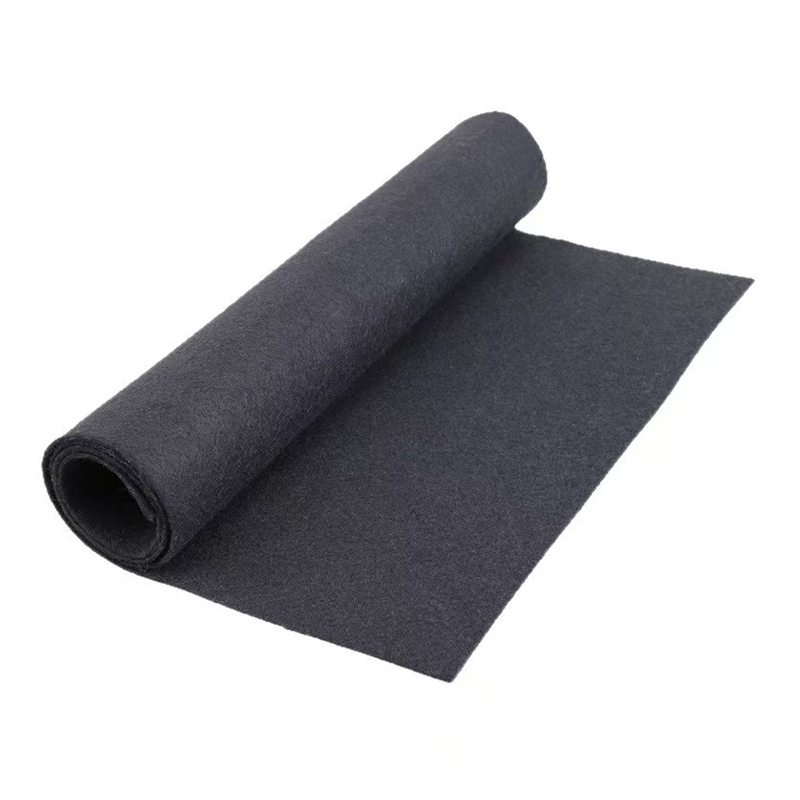
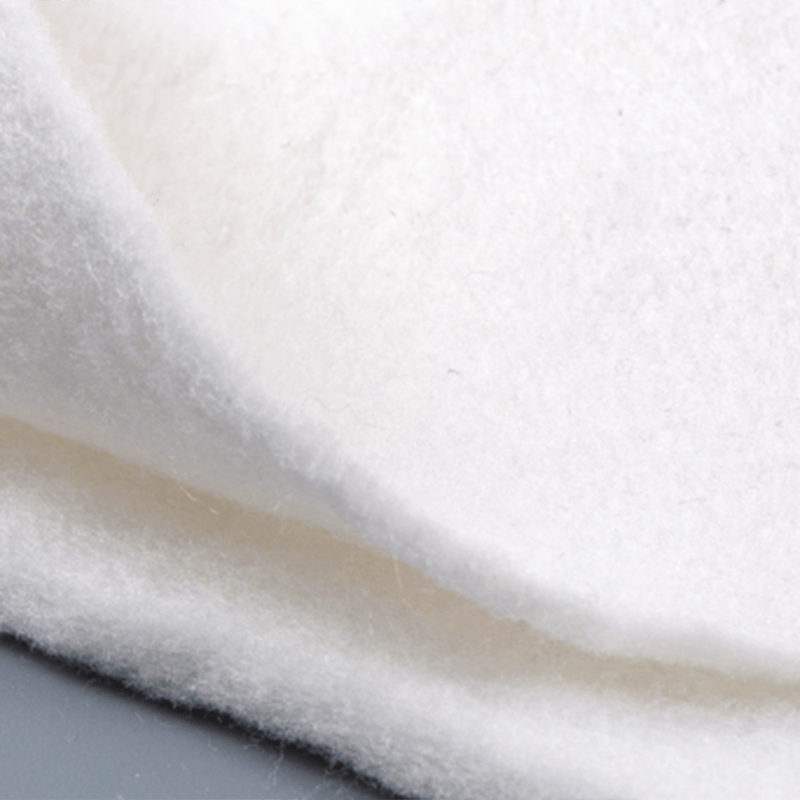
Automobile needle-punch nonwoven fabrics are engineered textile materials produced by mechanically interlocking fibers using barbed needles that repeatedly punch through a loose fiber web, creating a dense, felt-like material without the need for weaving or knitting. This mechanical bonding process gives needle-punch nonwovens excellent structural stability, sound absorption, and moldability, making them a widely used material throughout modern vehicle interiors and structural components.
Within the automotive industry, these fabrics serve far more functions than simple upholstery covering. They appear in trunk liners, headliners, door panels, floor carpets, and acoustic insulation layers, where their combination of durability, sound-dampening properties, and cost-effective manufacturing make them a preferred material choice over alternatives like woven textiles or solid foam panels for many interior applications.
How the Needle-Punch Manufacturing Process Works
Understanding the production process behind needle-punch nonwovens helps explain why this material offers such distinct performance characteristics compared to other fabric construction methods used in automotive manufacturing.
Fiber Web Formation
The process begins with loose fibers, often polyester, polypropylene, or blended synthetic materials, being carded and layered into a loosely arranged web of consistent thickness. This initial web has minimal structural integrity on its own, requiring the subsequent needle-punching stage to transform it into a cohesive, usable fabric.
Mechanical Needle Bonding
Specialized barbed needles repeatedly punch through the fiber web, physically entangling and interlocking individual fibers to create a dense, felted structure. The number of needle punches per square centimeter, along with needle depth and pattern, directly affects the final fabric's density, thickness, and mechanical strength, allowing manufacturers to fine-tune these properties for specific automotive applications.
Key Applications Within Vehicle Interiors
Needle-punch nonwoven fabrics serve multiple functional roles throughout a vehicle's interior and structural components, each application leveraging different aspects of the material's inherent properties.
Acoustic Insulation and Sound Dampening
The porous, fibrous structure of needle-punch nonwovens makes them highly effective at absorbing sound waves, reducing road noise, engine vibration, and general cabin acoustic disturbance. These fabrics are commonly layered within door panels, floor mats, and firewall insulation to create a quieter, more comfortable driving experience for passengers.
Trunk Liners and Cargo Area Coverings
Trunk liners require a material that balances durability against abrasion and impact from cargo with a relatively low manufacturing cost, making needle-punch nonwovens a practical choice for this high-wear application. Their felt-like texture also provides some cushioning to protect cargo during transport.
Headliners and Interior Trim
Headliner substrates often use needle-punch nonwoven fabric as a base layer due to its ability to be molded into complex curved shapes while maintaining structural rigidity once formed and bonded to the vehicle's roof structure. This moldability is essential for achieving the precise fit required for modern vehicle headliner designs.
Common Fiber Materials and Their Properties
The specific fiber type used in manufacturing significantly affects the final fabric's performance characteristics. The table below outlines common materials used in automotive needle-punch nonwovens.
| Fiber Type | Key Property | Typical Application |
| Polyester (PET) | Good strength, cost-effective | Trunk liners, floor carpets |
| Polypropylene (PP) | Lightweight, moisture resistant | Door panel insulation |
| Recycled PET Blends | Sustainable, comparable performance | Eco-focused interior components |
Advantages of Needle-Punch Nonwovens Over Alternative Materials
Automotive manufacturers frequently choose needle-punch nonwoven fabrics over woven textiles or solid foam alternatives due to several practical performance and cost advantages.
- Lower manufacturing cost compared to woven fabric production processes.
- Superior sound absorption properties due to the porous, fibrous internal structure.
- Excellent moldability for forming complex curved shapes required in headliners and trim panels.
- Compatibility with recycled fiber content, supporting sustainability goals in vehicle manufacturing.
- Lightweight construction that contributes to overall vehicle weight reduction efforts.
Key Factors When Specifying Needle-Punch Nonwoven Fabric
Automotive manufacturers and suppliers should evaluate several technical factors when specifying needle-punch nonwoven fabric for a particular vehicle component application.
- Weight per unit area, often measured in grams per square meter, affecting both acoustic performance and material cost.
- Thickness and density requirements based on the specific insulation or structural role within the vehicle.
- Flame retardancy compliance with automotive safety standards applicable to interior materials.
- Surface finish requirements, particularly for visible interior trim applications requiring specific texture or color.
Choosing the Right Nonwoven Fabric for Automotive Applications
Selecting the appropriate needle-punch nonwoven fabric for a specific automotive application requires balancing acoustic performance, moldability, weight considerations, and regulatory compliance requirements. By working closely with material suppliers who understand these technical specifications, automotive manufacturers can integrate needle-punch nonwovens effectively across interior components, achieving the durability, comfort, and sustainability goals expected in modern vehicle design.
 Tel: +86 15700112297
  WhatApp: +86 15700112297
  E-mail:
  Yinziqiao Village, Shicong Town, Nanxun District, Huzhou City, Zhejiang Province, China