English
 中文简体
中文简体Content
- 1 What Are Needle-Punch Nonwoven Fabrics?
- 2 How Needle-Punch Nonwoven Fabrics Are Manufactured
- 3 Key Applications in Automobile Manufacturing
- 4 Key Performance Properties to Evaluate
- 5 Selecting the Right Fabric Weight and Density
- 6 Sustainability and Recyclability Considerations
- 7 Practical Tips for Sourcing Automotive Needle-Punch Fabrics
Modern vehicle interiors depend on materials that balance durability, acoustic comfort, weight efficiency, and cost control. Needle-punch nonwoven fabrics have become a foundational material across automotive manufacturing precisely because they meet these competing demands without the complexity of woven textiles. From carpet backing to sound insulation layers, this versatile material plays a role in nearly every part of a vehicle's interior and underbody construction. Understanding how needle-punch nonwoven fabrics are made, where they are applied, and what properties matter most helps manufacturers and suppliers make better material decisions.
What Are Needle-Punch Nonwoven Fabrics?
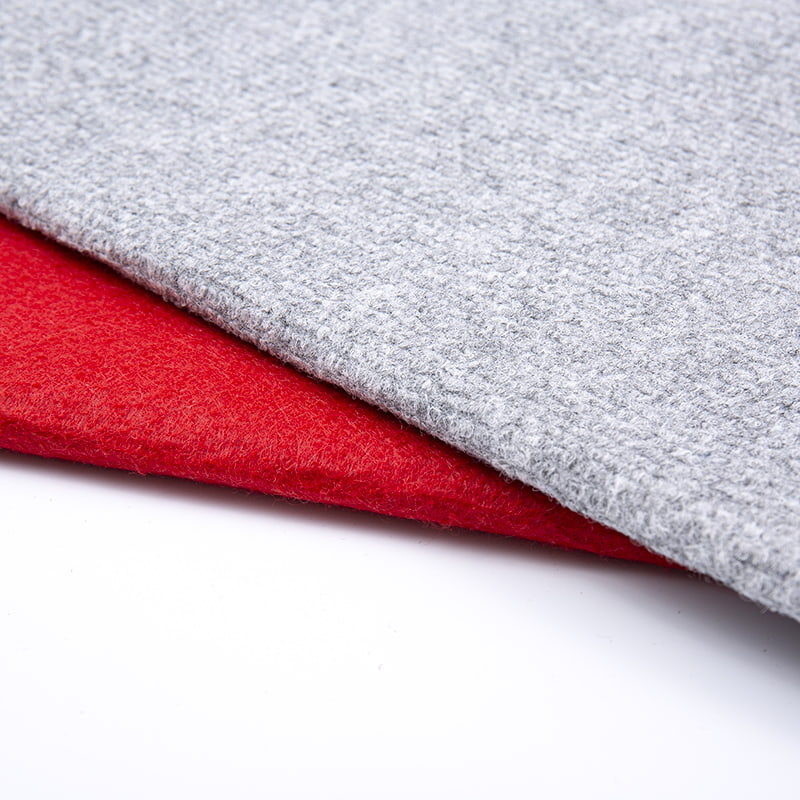
Needle-punch nonwoven fabric is produced by mechanically interlocking fibers using barbed needles that repeatedly punch through a loose web of material, entangling the fibers into a stable, felt-like structure. Unlike woven or knitted textiles, needle-punch fabrics do not rely on yarns interlacing in a predictable pattern, which allows manufacturers to combine different fiber types and densities to achieve specific performance characteristics.
Common fibers used in automotive-grade needle-punch fabrics include polyester, polypropylene, and recycled fibers sourced from post-industrial or post-consumer textile waste. The resulting material can be engineered for varying thickness, stiffness, and porosity depending on where it will be used within the vehicle.
How Needle-Punch Nonwoven Fabrics Are Manufactured
Production begins with fiber blending, where raw fibers are opened, cleaned, and mixed to achieve a consistent composition. The blended fibers are then carded, a process that aligns them into a uniform web. This web passes through a needle loom, where thousands of barbed needles repeatedly puncture the material, physically entangling fibers from different layers to form a cohesive sheet.
After needle punching, many automotive fabrics undergo additional finishing steps, including thermal bonding to add rigidity, chemical treatment for flame retardancy, or lamination with foam or film backing to improve acoustic performance and moisture resistance. These finishing processes allow the same base fabric to be adapted for dozens of different automotive applications.
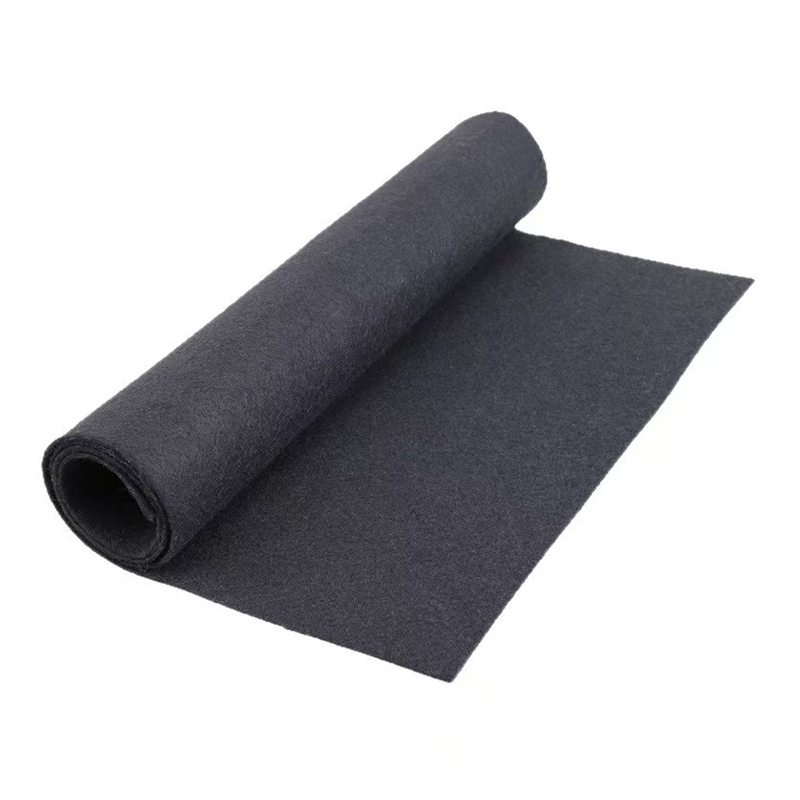
Key Applications in Automobile Manufacturing
Needle-punch nonwoven fabrics appear throughout the vehicle, each application requiring a slightly different fiber composition and finishing treatment.
Carpet and Flooring Systems
Automotive floor carpets frequently use needle-punch fabric as either the visible surface layer or the backing layer bonded beneath tufted carpet. Needle-punch carpet backing provides dimensional stability, resists fraying at cut edges, and offers a stable base for adhesive bonding to the vehicle floor pan.
Headliners and Roof Insulation
Headliner substrates often incorporate needle-punch fabric laminated to a rigid foam or fiberboard core, providing both a soft surface texture and structural support. This layered construction helps absorb road and wind noise while maintaining a smooth, finished appearance across the vehicle's ceiling panel.
Trunk and Cargo Area Liners
Trunk liners and cargo area panels use needle-punch fabric for its abrasion resistance and ability to conceal underlying structural components while providing a finished appearance. These applications typically require slightly higher density fabric to withstand repeated loading and unloading of cargo.
Sound Dampening and Acoustic Insulation
One of the most valued properties of needle-punch nonwoven fabric is its porous fiber structure, which naturally absorbs sound waves rather than reflecting them. Manufacturers use these fabrics in door panels, dash insulators, and firewall barriers to reduce cabin noise from the engine, road surface, and wind resistance.
Under-the-Hood Components
Beyond the passenger cabin, needle-punch fabrics are used in engine bay insulation and heat shields, where fiber composition must be selected for heat resistance rather than softness. Fabrics used in these zones typically incorporate higher proportions of heat-resistant synthetic fibers and may include additional coatings to withstand prolonged exposure to engine heat.
Key Performance Properties to Evaluate
Selecting the right needle-punch fabric for a given automotive application requires evaluating several measurable performance characteristics rather than relying on general fabric descriptions.
| Property | Why It Matters | Relevant Application |
| Fiber density | Affects durability and sound absorption | Carpet, trunk liners |
| Flame resistance | Required for interior safety compliance | Headliners, door panels |
| Moisture resistance | Prevents mold and material degradation | Floor carpet, cargo liners |
| Heat tolerance | Prevents deformation near engine components | Under-hood insulation |
| Sound absorption coefficient | Determines noise reduction effectiveness | Firewall, dash insulation |
Selecting the Right Fabric Weight and Density
Fabric weight, typically measured in grams per square meter, directly influences both performance and cost. Lighter fabrics, generally between 100 and 300 grams per square meter, are often used in applications where weight reduction is a priority, such as door panel liners or trim components in fuel-efficient vehicle models. Heavier fabrics, ranging from 400 to over 1,000 grams per square meter, provide greater durability and acoustic performance for high-wear areas like flooring and trunk liners.
Density should be matched not only to the mechanical demands of the application but also to the vehicle manufacturer's overall weight targets, since even small changes in fabric weight can accumulate into meaningful differences in total vehicle mass when applied across dozens of interior components.
Sustainability and Recyclability Considerations
Needle-punch nonwoven fabrics are increasingly manufactured using recycled polyester fibers derived from post-consumer plastic bottles or post-industrial textile scrap, aligning with automotive industry sustainability targets. Because the needle-punch process does not require chemical binders in many formulations, some fabrics can be more easily recycled at the end of a vehicle's life compared to laminated or chemically bonded alternatives.
Manufacturers seeking to improve environmental performance should evaluate the recycled fiber content of candidate fabrics, confirm whether the finishing treatments used are compatible with recycling processes, and consider suppliers who provide documentation on the fabric's end-of-life recyclability.
Practical Tips for Sourcing Automotive Needle-Punch Fabrics
When evaluating suppliers and specifications for automotive needle-punch nonwoven fabric, the following practices help ensure the material meets both performance and regulatory requirements.
- Request test data confirming compliance with relevant automotive flammability standards for the specific vehicle market.
- Verify fiber composition and recycled content percentages if sustainability targets are part of the sourcing criteria.
- Confirm the fabric's compatibility with intended lamination or bonding processes used in the final component assembly.
- Evaluate sound absorption performance data when sourcing fabric for acoustic insulation applications.
- Request sample rolls for pilot testing on production equipment before committing to large-volume orders.
Needle-punch nonwoven fabric continues to serve as a foundational material across automotive manufacturing because it offers a rare combination of design flexibility, acoustic performance, and cost efficiency. By carefully matching fiber composition, density, and finishing treatments to each specific application, manufacturers can achieve reliable performance across flooring, headliners, trunk liners, sound insulation, and under-hood components, all while supporting broader efforts toward lighter, more sustainable vehicle construction.
 Tel: +86 15700112297
  WhatApp: +86 15700112297
  E-mail:
  Yinziqiao Village, Shicong Town, Nanxun District, Huzhou City, Zhejiang Province, China