English
 中文简体
中文简体Content
- 1 The Evolution of Modern Seating Materials
- 2 Understanding Needle-Punched Nonwoven Technology
- 3 Key Advantages of Easy to Clean Decorative Needle-Punched Nonwoven Chair Fabric
- 4 Versatile Applications Across Environments
- 5 Sustainability and Eco-Friendly Manufacturing
- 6 Comparative Analysis: Nonwoven vs. Traditional Wovens
- 7 Selection Criteria for Optimal Performance
The Evolution of Modern Seating Materials
The furniture and interior design industries are continuously seeking materials that bridge the gap between aesthetic excellence and rigorous practical performance. Traditional woven textiles, while visually appealing, often fall short when subjected to the demanding conditions of high-traffic commercial environments or busy households. Spills, stains, and general wear and tear can quickly degrade the appearance of conventional fabrics, leading to frequent and costly replacements. In response to these challenges, material scientists and textile engineers have developed advanced nonwoven solutions that redefine what is possible in seating upholstery. Among these innovations, the Easy to Clean Decorative Needle-Punched Nonwoven Chair Fabric stands out as a premier choice for designers, architects, and facility managers who refuse to compromise on style or durability.
Understanding Needle-Punched Nonwoven Technology
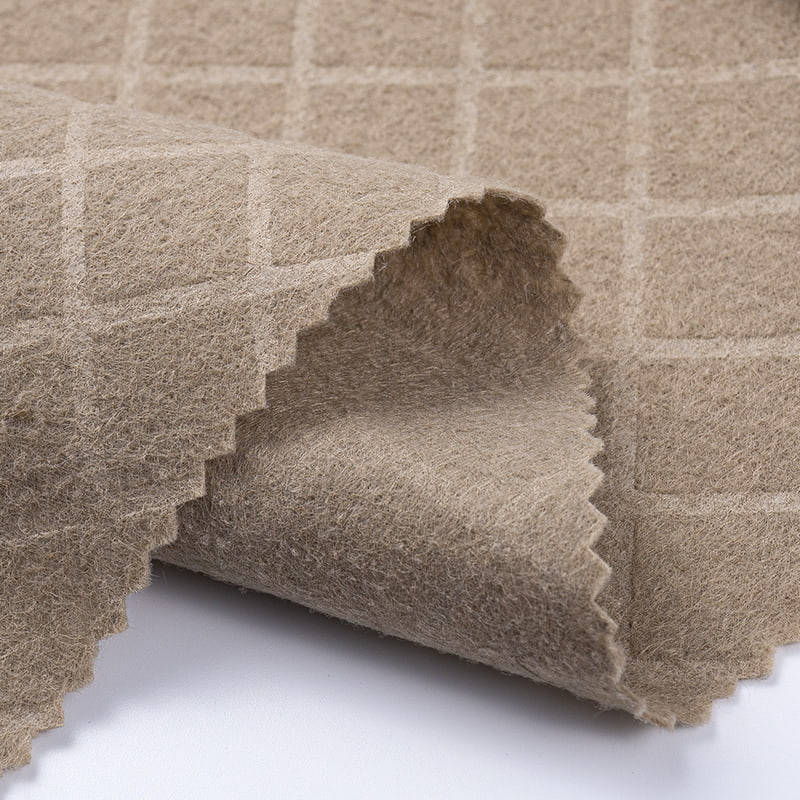
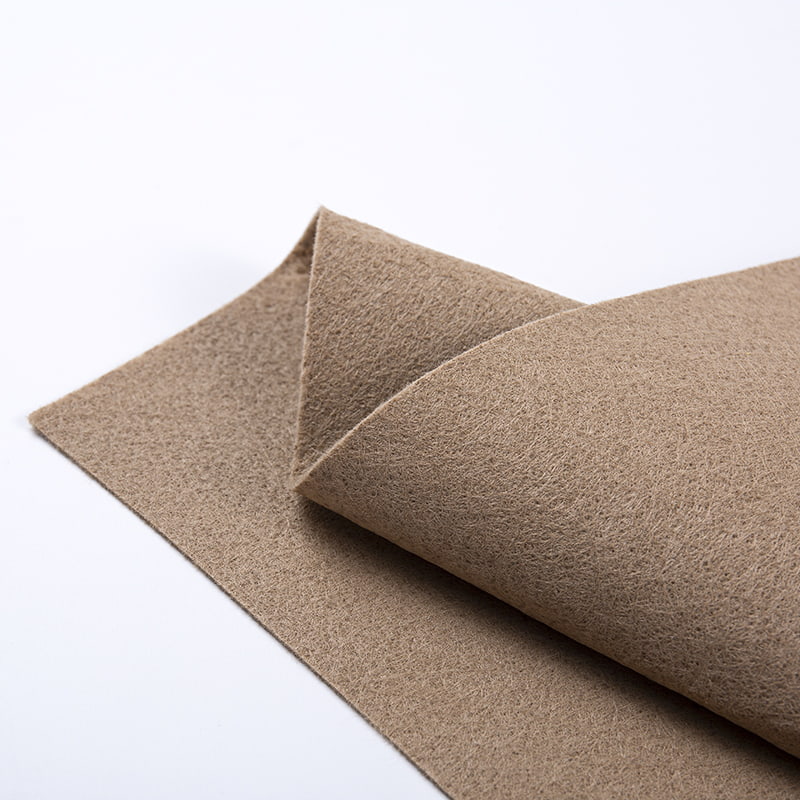
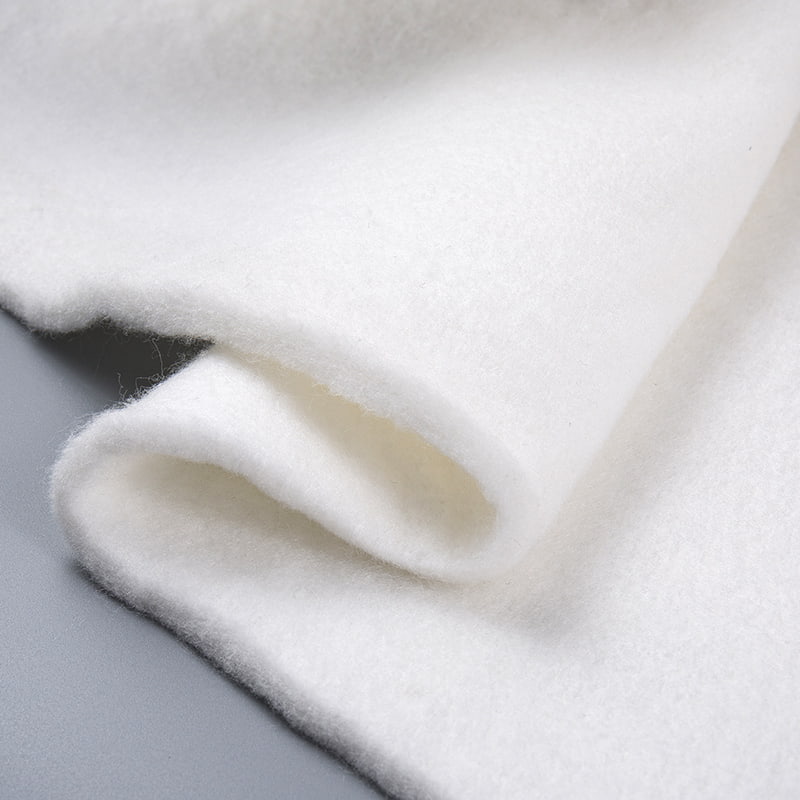
To fully appreciate the benefits of this material, it is essential to understand the manufacturing process behind it. Unlike traditional fabrics that are woven or knitted from interlacing yarns, nonwoven fabrics are created by bonding fibers together through mechanical, chemical, or thermal processes. The needle-punching technique is a purely mechanical method where thousands of barbed needles repeatedly pierce a web of loose fibers, entangling them to form a coherent, highly durable structure. This process allows for precise control over the fabric's density, thickness, and surface texture. The resulting material possesses a unique three-dimensional architecture that provides exceptional dimensional stability, meaning it will not stretch, sag, or fray at the edges over time. Furthermore, the needle-punching process can incorporate a variety of fiber types, including synthetic polymers known for their inherent resistance to moisture and biological degradation.
Structural Integrity and Breathability
Despite its robust construction, the needle-punched structure retains a micro-porous network that allows for excellent air circulation. This breathability is a critical factor in seating applications, as it prevents the buildup of heat and moisture against the user's body, ensuring prolonged comfort during extended periods of sitting. The lightweight nature of the nonwoven matrix also contributes to the overall ease of handling during the manufacturing and upholstery processes, reducing the final weight of the furniture piece without sacrificing tensile strength.
Key Advantages of Easy to Clean Decorative Needle-Punched Nonwoven Chair Fabric
The primary selling point of this advanced material lies in its exceptional maintenance profile. In environments where hygiene and appearance are paramount, the ability to quickly and effectively clean seating surfaces is non-negotiable. The surface of this specific fabric is engineered to be exceptionally smooth, minimizing the microscopic crevices where dirt, dust, and liquids can become trapped. When treated with advanced stain-repellent finishes during the manufacturing process, the fabric becomes highly hydrophobic, causing liquids to bead up on the surface rather than being absorbed into the fiber matrix.
Unmatched Stain and Spill Resistance
Whether it is a splash of coffee in a corporate boardroom, a spilled drink in a family dining area, or mud tracked in from an outdoor patio, this fabric handles it with ease. The decorative aspect of the material ensures that it does not look like a utilitarian protective cover; instead, it offers rich, vibrant colors and sophisticated textures that mimic the look of premium woven textiles. The integration of UV-stabilized pigments ensures that the decorative colors remain fade-resistant even when exposed to prolonged sunlight, making it an ideal candidate for sunlit conservatories or outdoor seating arrangements.
Effortless Maintenance Protocols
The daily cleaning routine for this fabric is remarkably simple. For routine maintenance, a quick pass with a vacuum cleaner or a damp microfiber cloth is sufficient to remove surface dust and debris. In the event of a stubborn stain, the smooth surface allows for spot cleaning with mild, water-based detergents without the risk of water spotting or ring formation, a common issue with traditional woven upholstery. The fabric dries rapidly after cleaning, preventing the growth of mold or mildew and ensuring the seating is ready for immediate use.
Versatile Applications Across Environments
Residential and Commercial Use Cases
- Dining Chairs and Kitchen Seating: The spill-resistant properties make it perfect for areas where food and beverages are frequently consumed, protecting the furniture from accidental stains.
- Office and Corporate Environments: In high-traffic workspaces, the fabric's durability and easy maintenance reduce facility management costs and keep workspaces looking professional.
- Healthcare and Educational Facilities: The non-porous nature of the treated surface inhibits the harboring of bacteria and allergens, contributing to a healthier indoor environment.
- Outdoor and Semi-Outdoor Furniture: Its resistance to moisture and UV degradation ensures that patio chairs and garden seating maintain their structural integrity and visual appeal season after season.
Sustainability and Eco-Friendly Manufacturing
Modern consumers and procurement officers are increasingly prioritizing sustainability in their purchasing decisions. The production of needle-punched nonwoven fabrics is inherently more resource-efficient than traditional textile manufacturing. The process requires less water and energy, and it generates minimal waste, as off-cuts and scrap fibers can be easily recycled back into the production stream. Furthermore, many manufacturers are now incorporating post-consumer recycled plastics, such as PET bottles, into the fiber blend. This closed-loop approach not only diverts waste from landfills but also significantly reduces the carbon footprint of the final product. By choosing an eco-friendly nonwoven option, buyers can achieve their sustainability goals without compromising on the performance or aesthetic requirements of their interior design projects.
Comparative Analysis: Nonwoven vs. Traditional Wovens
| Performance Metric | Needle-Punched Nonwoven | Traditional Woven Fabric |
|---|---|---|
| Stain Resistance | Excellent (Hydrophobic surface) | Moderate (Requires chemical treatments) |
| Cleaning Effort | Low (Wipe or vacuum) | High (Often requires deep extraction) |
| Edge Fraying | None (Non-fraying structure) | High (Requires hemming or serging) |
| Dimensional Stability | High (No stretching or sagging) | Moderate (Can stretch under tension) |
| Manufacturing Waste | Low (Highly recyclable scraps) | Moderate to High |
Selection Criteria for Optimal Performance
When specifying this fabric for a project, several factors should be considered to ensure optimal performance and longevity. First, evaluate the expected traffic and usage intensity of the seating. For heavy-duty commercial applications, specify a higher basis weight and density to maximize abrasion resistance. Second, consider the specific environmental conditions, such as exposure to direct sunlight or high humidity, and ensure the selected variant includes appropriate UV stabilizers and antimicrobial treatments. Finally, verify the colorfastness and texture options available from the supplier to ensure the material aligns perfectly with the overall design concept. By carefully matching the fabric's specifications to the unique demands of the application, designers and facility managers can ensure a long-lasting, beautiful, and highly functional seating solution.

 Tel: +86 15700112297
  WhatApp: +86 15700112297
  E-mail:
  Yinziqiao Village, Shicong Town, Nanxun District, Huzhou City, Zhejiang Province, China