Industry Knowledge
Mechanical Advantages of Needle-Punch Technology in Upholstery Linings
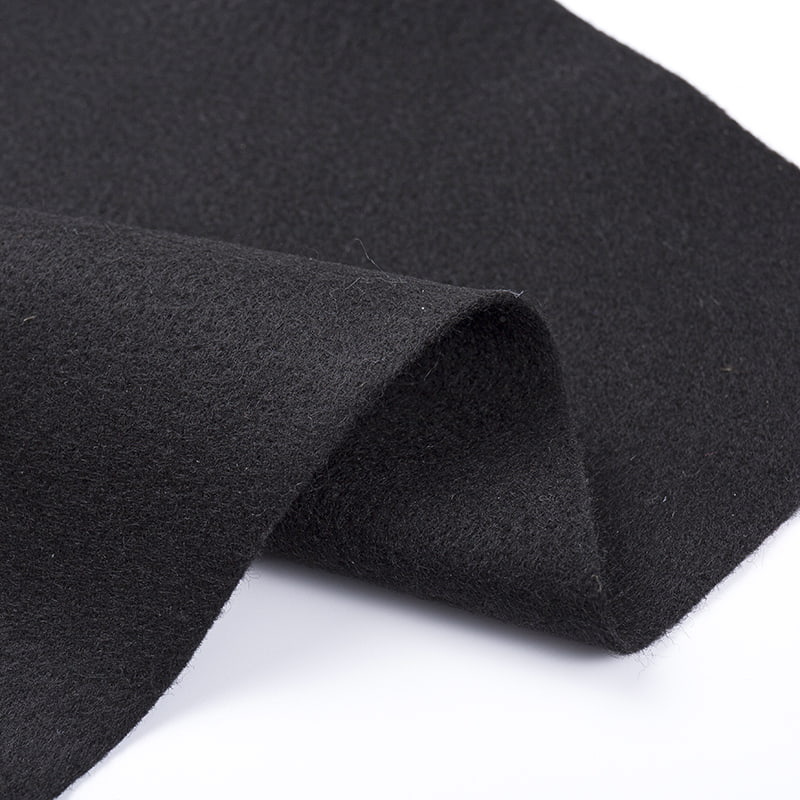
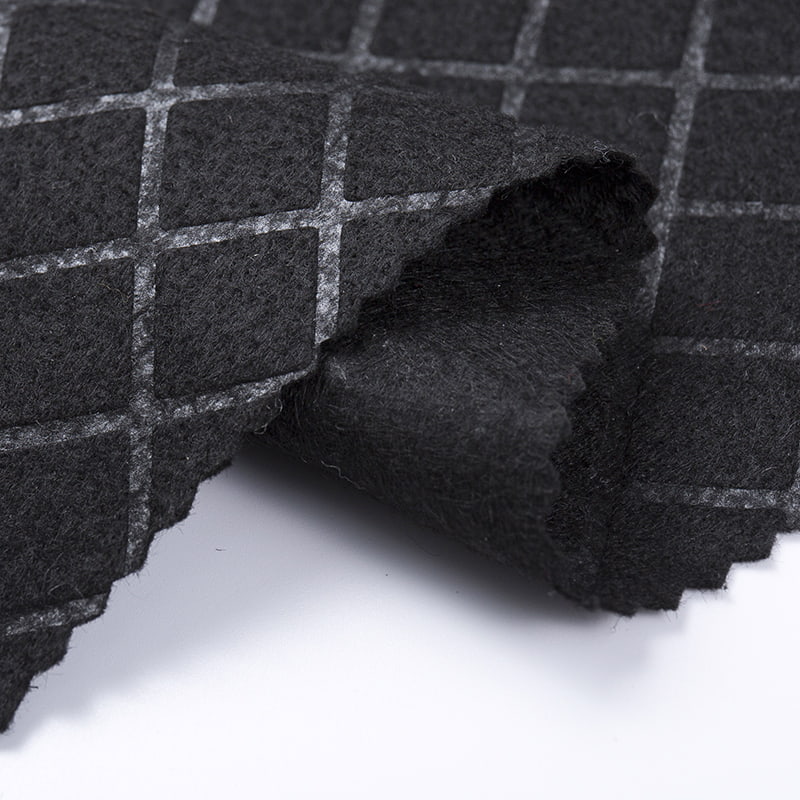
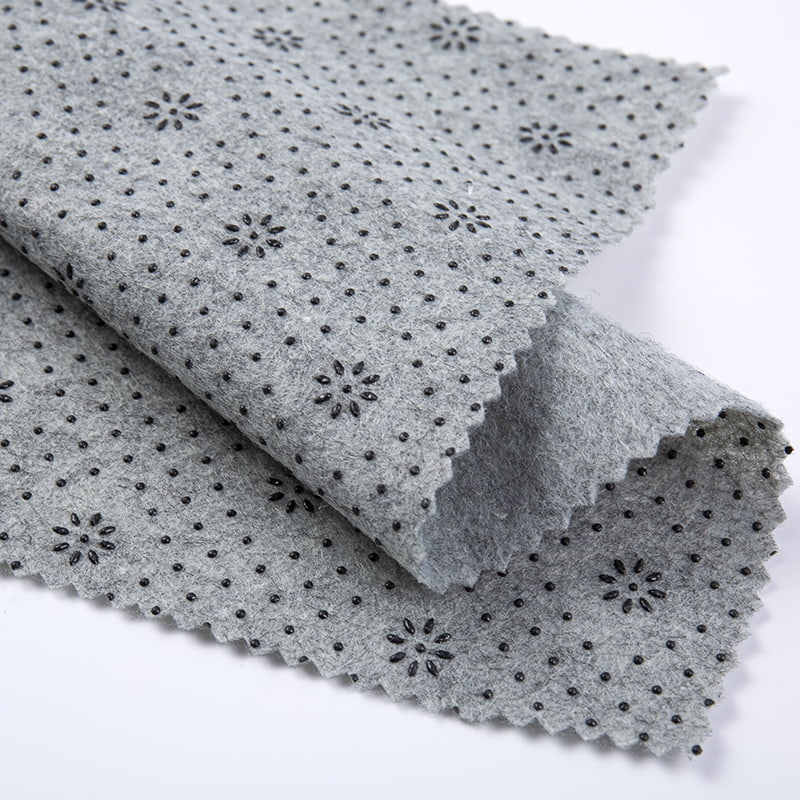
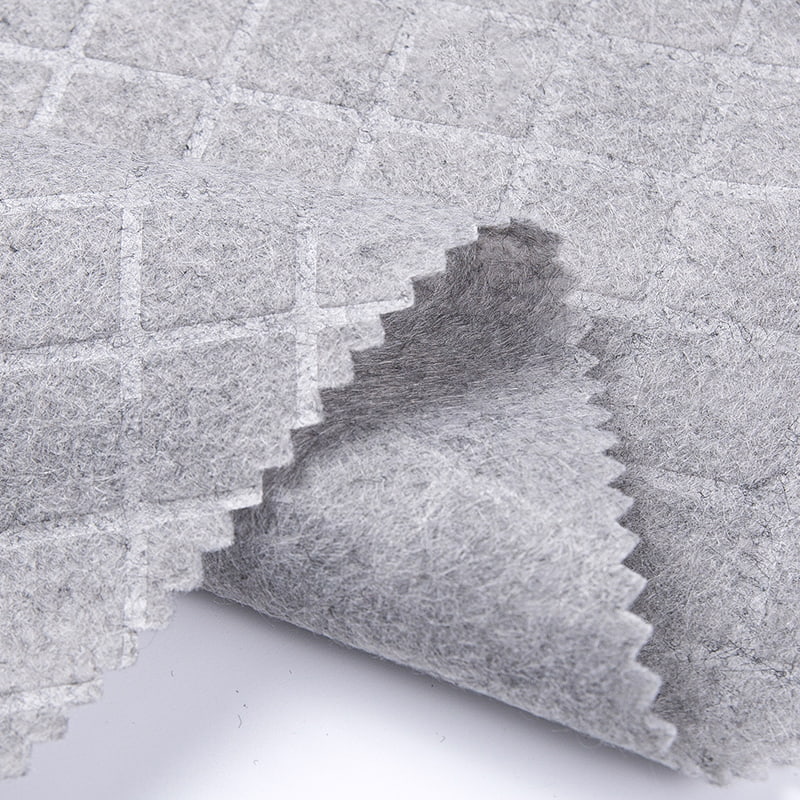
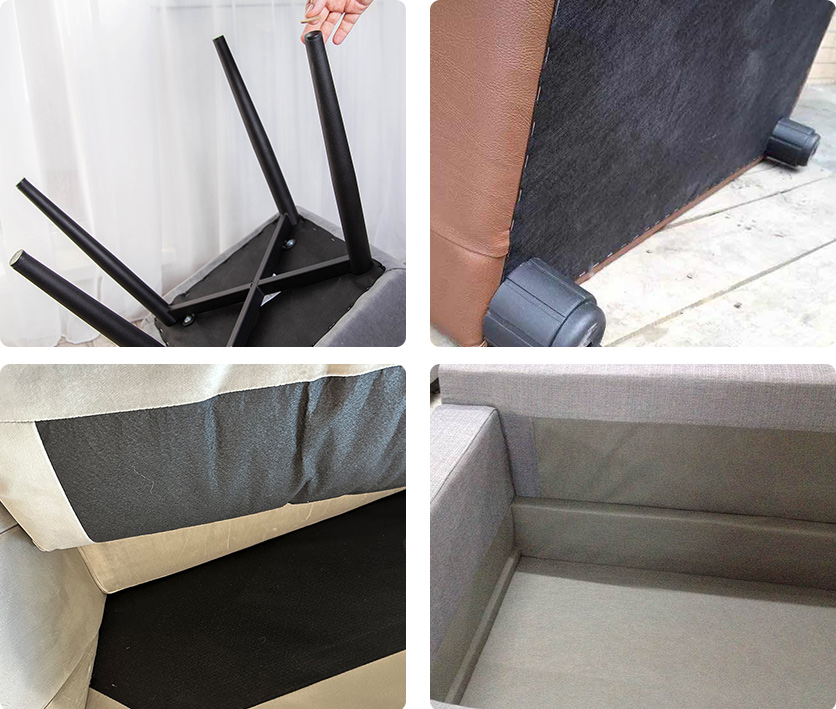
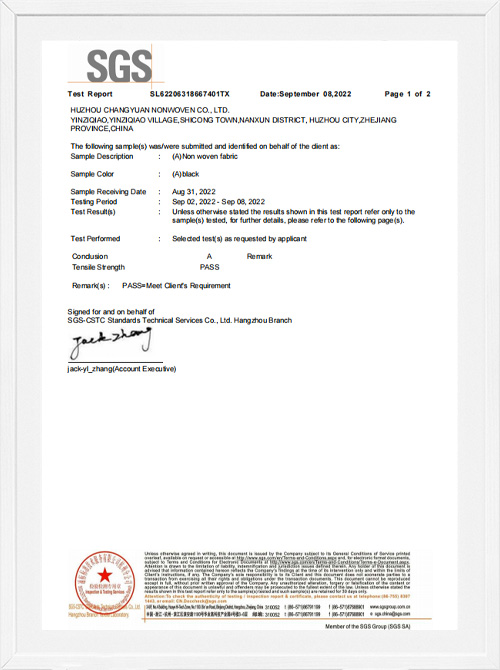
The structural integrity of soft furniture relies heavily on the hidden layers that encapsulate springs and foam. Furniture Needle-Punch Nonwoven Fabrics are engineered through a mechanical entanglement process where barbed needles repeatedly pierce a web of loose fibers. This physical interlocking creates a three-dimensional matrix that exhibits exceptional tensile strength and tear resistance without the use of chemical binders. Unlike traditional woven textiles that may unravel at the cut edges, the non-directional fiber orientation of needle-punched materials ensures that edges remain stable during the high-tension stapling and stretching processes used in upholstery manufacturing.
Load Distribution and Friction Resistance
In dynamic seating environments, the lining material must withstand continuous friction against internal metal components. The dense fiber structure distributes localized stress evenly across the surface, preventing premature wear and puncture. This mechanical resilience significantly extends the lifecycle of the internal suspension systems, reducing warranty claims for sagging or structural failure in commercial and residential seating.
Sustainability Certifications and Global Supply Chain Efficiency
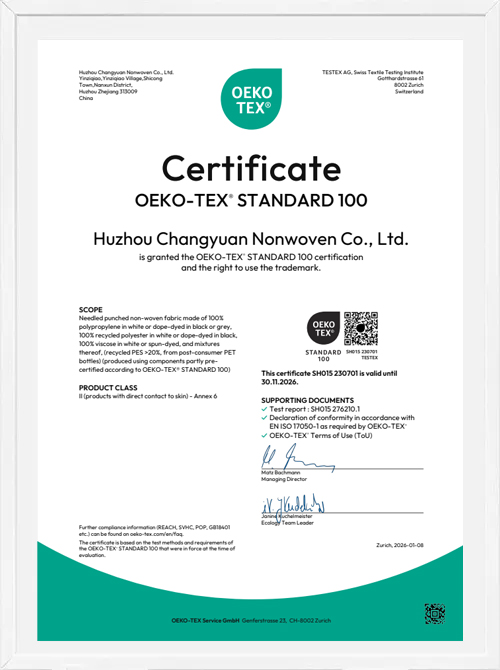
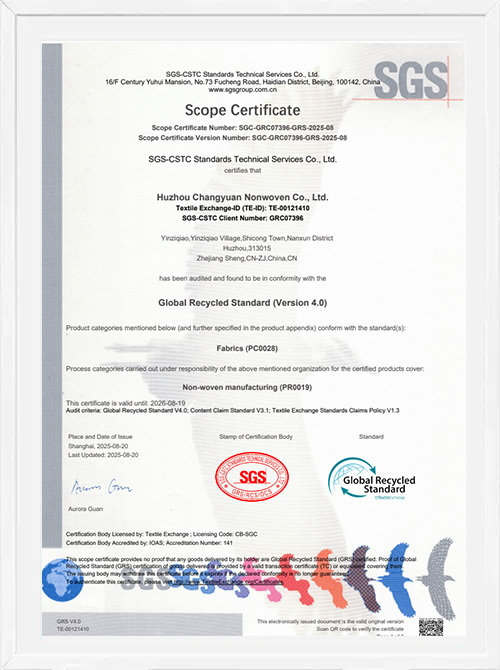
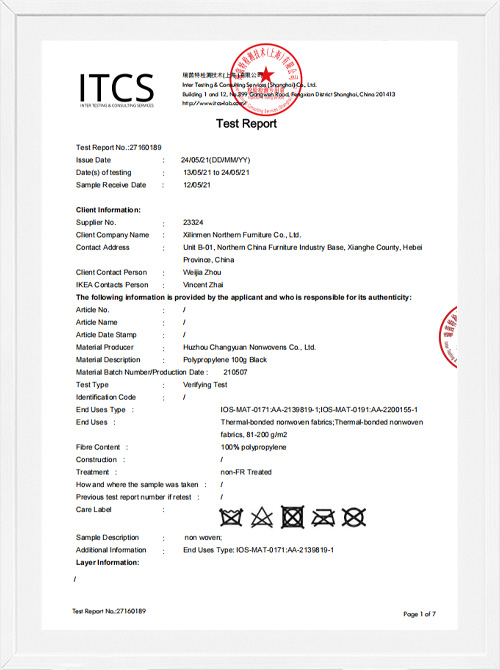
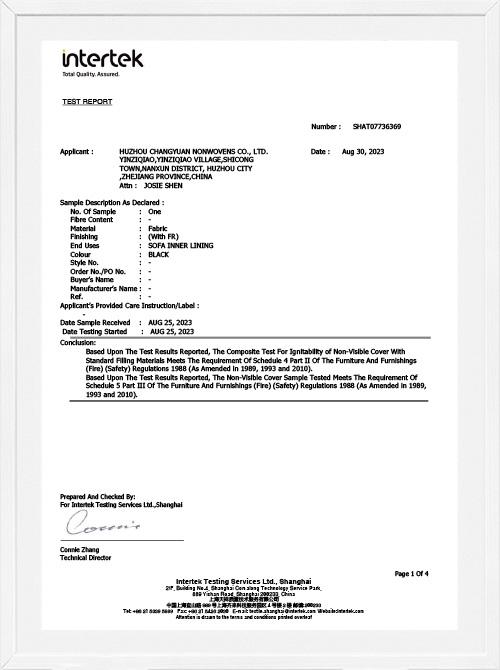
In the modern textile export market, environmental compliance is no longer optional but a fundamental prerequisite for entering premium retail channels. Huzhou Changyuan Nonwoven Co., Ltd. has strategically aligned its production capabilities with these global standards, securing both GRS (Global Recycled Standard) and OEKO-TEX® certifications. These credentials verify that the materials are free from harmful substances and incorporate verified recycled content, allowing furniture brands to meet stringent international sustainability mandates.
Situated in Zhejiang Province, the company benefits from close proximity to Shanghai Port, a critical logistical advantage that ensures efficient cargo delivery and reduces lead times for international shipments. Specializing in the research, development, production, and marketing of high-quality needle-punched nonwovens, the enterprise supports a broad application scope. Beyond sofa and mattress linings, their portfolio extends to carpets, automotive interior fabrics, geotextiles, cleaning products, medical-grade nonwovens, filtration media, and agricultural uses. By maintaining rigorous quality control and sustainable practices, they warmly welcome domestic and foreign partners for win-win collaboration across diverse industrial sectors.
Micro-Porous Breathability and Particulate Filtration in Bedding Systems
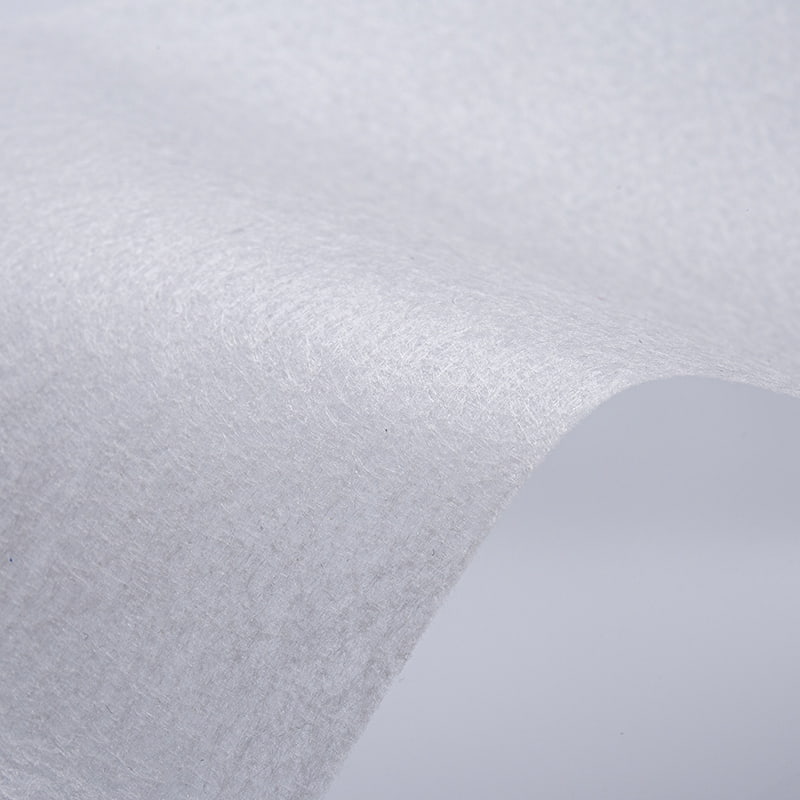
The internal microclimate of a mattress or sofa directly impacts both the longevity of the core materials and the health of the end-user. Sofa Nonwoven Fabrics and Mattress Nonwoven Fabrics are specifically designed with a controlled micro-porous architecture. This structure permits the continuous exchange of air and moisture vapor, preventing the accumulation of condensation that can lead to mold growth and the degradation of polyurethane foams. Simultaneously, the intricate fiber web acts as a highly efficient physical barrier against dust, allergens, and particulate matter.
Dust Mite Mitigation Strategies
Dust mites thrive in environments where dead skin cells and moisture accumulate. The tight entanglement of fibers in high-grade nonwoven encasements creates a pore size small enough to block allergen penetration while maintaining necessary airflow. When integrated as a ticking backing or an inner insulator layer over the spring unit, these fabrics disrupt the biological lifecycle of common household allergens, providing a critical layer of protection for hypoallergenic bedding and premium upholstery collections.
Performance Metrics Across Diverse Industrial Applications
The versatility of Needle Punched Nonwoven Fabric For Sofa/Mattress applications stems from the ability to precisely calibrate fiber denier, web weight, and needle board density. By adjusting these parameters during the manufacturing process, engineers can tailor the material's stiffness, permeability, and acoustic dampening properties to suit highly specific operational requirements. The following table illustrates how variations in physical parameters dictate the optimal use case for different nonwoven categories.
| Application Sector |
Primary Function |
Typical GSM (g/m²) |
Key Performance Requirement |
| Sofa/Mattress Linings |
Spring Encasement & Dust Barrier |
80 - 150 |
High tensile strength, breathability, anti-puncture |
| Automotive Interiors |
Trunk Liners & Acoustic Insulation |
200 - 500 |
Sound absorption, moldability, temperature resistance |
| Geotextiles |
Soil Stabilization & Drainage |
150 - 400 |
Permeability, UV resistance, chemical inertness |
| Filtration Media |
Particulate Capture & Fluid Flow |
100 - 300 |
Controlled porosity, structural rigidity under pressure |


 English
 中文简体
中文简体 Furniture
 Carpet
 Automotive
 Composite
 Geosynthetics
 Medical
 Filtration
 Cleaning Supplies
 Building Industry
 Agricultural Use
 Consumer Goods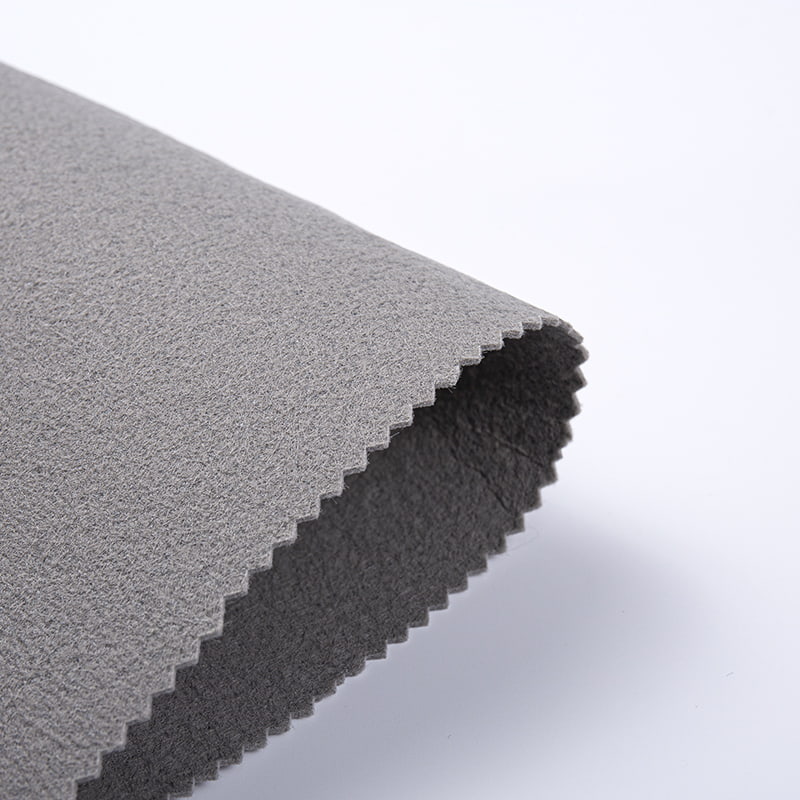

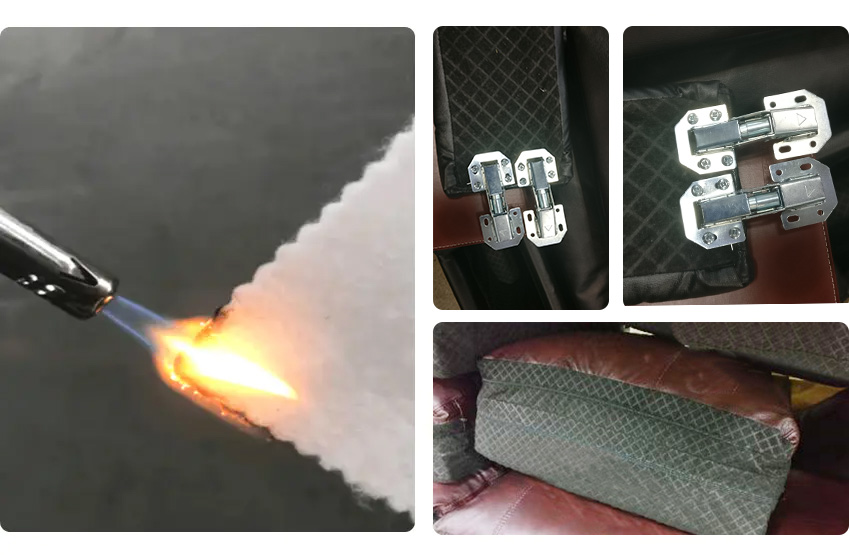
 Flame-retardant & Eco-friendly
 Stain-resistant Surface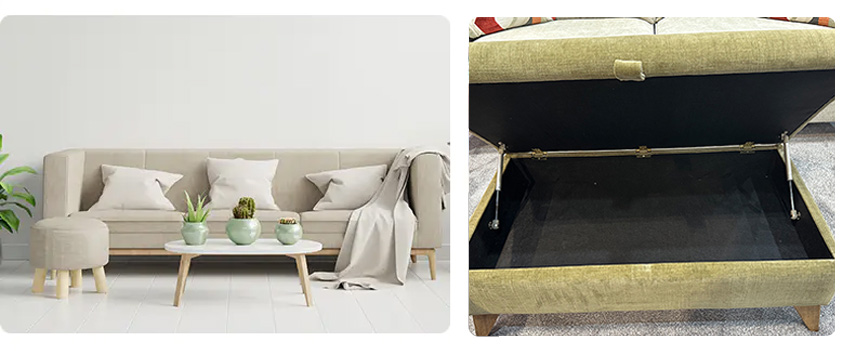
 Tel: +86 15700112297
  WhatApp: +86 15700112297
  E-mail:
  Yinziqiao Village, Shicong Town, Nanxun District, Huzhou City, Zhejiang Province, China